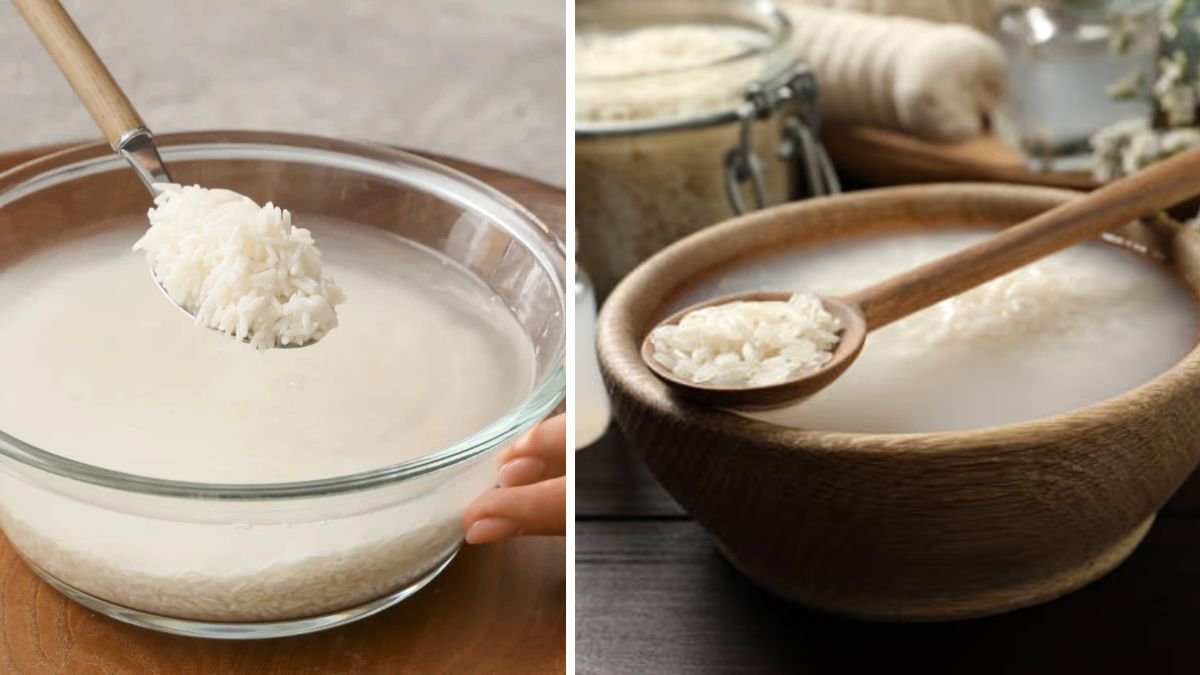
What if you could naturally enhance the sweetness of your fruits using something as simple as rice water? For centuries, gardeners around the world have relied on rice water—a nutrient-rich byproduct of rinsing or soaking rice—to improve plant growth and flavor. With a few easy steps, you can give your fruits a natural sweetness boost without chemicals.
This guide explains how rice water works, why it helps fruit flavor, and how to use it safely in your garden or balcony containers.
What Is Rice Water?
Rice water is the starchy liquid left after soaking or rinsing rice. It contains:
- Simple sugars (from starch)
- Trace minerals like potassium, magnesium, and phosphorus
- Small amounts of vitamins
These nutrients feed your plants gently and improve soil microbial activity, which indirectly affects fruit development and taste.
Why Rice Water Makes Fruits Sweeter
- Provides extra energy: Starches act as a mild sugar source, helping plants produce more sugars in fruits.
- Enhances nutrient absorption: Minerals in rice water boost overall plant health.
- Promotes beneficial microbes: Healthy soil microbes support nutrient uptake.
- Improves flavor naturally: Increased sugar content enhances taste without artificial additives.
This is particularly effective for tomatoes, strawberries, citrus, and other fruits grown in home gardens or containers.
How to Make Rice Water for Plants
Simple methods:
Method 1: Soaking Rice
- Rinse ½ cup rice in a bowl to remove dust.
- Soak the rice in 2 cups of water for 15–30 minutes.
- Stir occasionally, then strain the liquid into a watering can.
Method 2: Rinsing Rice
- Rinse rice before cooking.
- Collect the water in a bowl.
- Dilute 1:1 with clean water before using on plants.
Fresh rice water works best; avoid storing it more than 24 hours to prevent fermentation or mold.
How to Apply Rice Water to Your Fruit Plants
- Direct watering: Pour rice water at the base of fruit plants like strawberries, tomatoes, or citrus.
- Container use: For potted plants, mix rice water with soil after watering lightly.
- Frequency: Once a week is enough; overuse can cause leaf residue or mild starch build-up.
Avoid using rice water on leaves during strong sunlight—it may cause slight burning.
Which Fruits Benefit Most
- Tomatoes: Sweeter, juicier fruits
- Strawberries: Enhanced aroma and flavor
- Citrus fruits: Slightly improved sugar content in lemons, oranges, limes
- Melons: Enhanced sweetness when applied before flowering and fruit set
- Peppers: Increases natural sugars for sweeter red bell peppers
Even potted fruits on balconies respond well to regular rice water feeding.
Tips for Best Results
- Use organic rice if possible to avoid pesticide residues.
- Dilute rice water for young plants to avoid overwhelming roots.
- Combine with compost or light fertilizer for best growth.
- Maintain consistent watering—rice water supplements, doesn’t replace regular water.
- Observe plant response; adjust frequency based on growth and fruit quality.
Additional Benefits of Rice Water
- Encourages microbial life in soil
- Strengthens root systems
- Reduces minor nutrient deficiencies
- Sustainable, zero-waste approach
This simple kitchen byproduct can enhance not just flavor but overall plant health.
Creative Ways to Use Rice Water in Your Home Garden
- Mix with leftover vegetable scraps for DIY compost tea
- Use on balcony herbs to promote lush growth
- Pair with hanging fruit plants for cascading, sweet harvests
- Combine with mulch to feed soil gradually
It’s an inexpensive and eco-friendly gardening hack.
Safety and Precautions
- Don’t use fermented rice water on plants—it may harm seedlings.
- Avoid stagnant water in containers—always pour or mix immediately.
- Monitor pH occasionally; rice water is mildly acidic and usually safe for most fruits.
Final Thoughts
Rice water is a surprisingly simple and natural way to boost the sweetness of your fruits. By repurposing this common kitchen byproduct, gardeners can improve flavor, support soil health, and grow healthier, more vibrant plants. Whether you’re tending a backyard garden, balcony fruits, or container tomatoes, rice water offers a cost-effective, eco-friendly method to enhance both yield and taste.