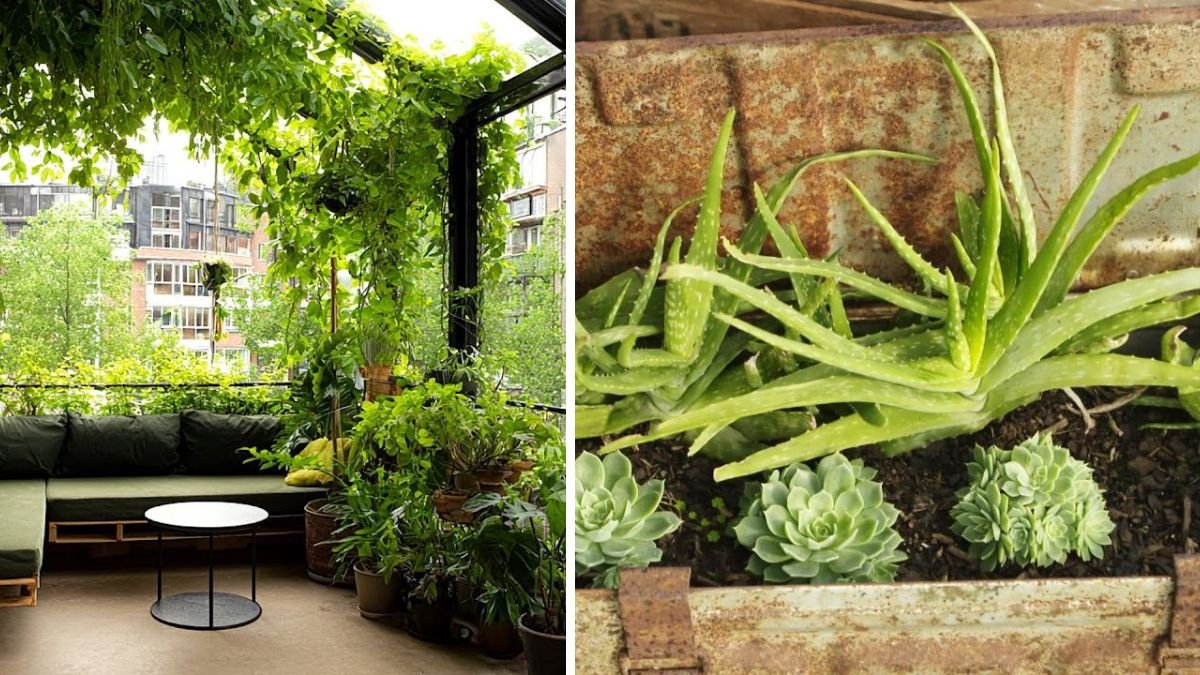
Balconies often feel small and underutilized, yet with a little creativity, they can be transformed into vibrant green retreats. For renters or anyone cautious about drilling holes or damaging surfaces, Command hooks offer an ideal solution for displaying plants without leaving marks. This guide shows you how to decorate your balcony with plants using Command hooks, creating a lush, stylish space with minimal effort.
Why Use Command Hooks for Balcony Plants?
Command hooks are perfect for small or delicate spaces because they:
- Avoid nails, screws, or drilling
- Can hold significant weight (depending on size)
- Are removable without residue
- Allow flexible placement
- Make decorating quick and easy
Whether you have concrete walls, wooden railings, or glass panels, Command hooks can help you hang pots, planters, or baskets safely.
Choosing the Right Plants for Your Balcony
Before hanging anything, consider what you want to grow:
Best Balcony Plants:
- Trailing plants: Pothos, ivy, string-of-pearls, or sweet potato vine
- Flowering plants: Petunias, fuchsias, or geraniums
- Edibles: Herbs like basil, parsley, coriander, or small tomatoes
- Succulents: Aloe vera, echeveria, or sedum for low-maintenance greenery
Select plants suited to your balcony’s light conditions—south-facing balconies get full sun, while north-facing spots may need shade-tolerant plants.
Choosing the Right Command Hooks
Command hooks come in various sizes and weight limits:
- Small hooks (0.5–1 lb): Perfect for tiny planters or lightweight baskets
- Medium hooks (3–5 lbs): Suitable for medium-sized pots
- Large hooks (7–16 lbs): Can support heavier hanging planters
Always check the product specifications and never exceed the weight limit. Using multiple hooks for heavier pots distributes weight safely.
How to Hang Balcony Plants Safely With Command Hooks
Step-by-Step Instructions:
- Clean the surface: Use rubbing alcohol to remove dirt and grease; avoid soap and water.
- Choose placement: Think about sun exposure and visual balance. Hanging staggered heights adds depth.
- Attach the hook: Press firmly for 30 seconds; let adhesive set for 1 hour before hanging anything.
- Select pots: Lightweight plastic or resin pots work best; macramé plant hangers add style without extra weight.
- Hang plants: Place plants carefully to avoid tipping. Consider trailing plants to create a cascading effect.
Creative Hanging Ideas
- Layered vertical garden: Hang plants at multiple heights to maximize space.
- Herb wall: Use small jars or containers on hooks for fresh culinary herbs.
- Trailing vines along the railing: Drape vines to soften balcony edges.
- Mix textures: Combine leafy plants, flowers, and succulents for visual interest.
Maintenance Tips for Balcony Plants on Hooks
- Water carefully: Use lightweight watering cans and avoid oversaturating pots to prevent dripping.
- Rotate plants: Ensure even sunlight for all leaves.
- Prune trailing plants: Prevent overcrowding and encourage growth.
- Check hooks regularly: Inspect for loosening or stress on adhesive.
Extra Touches to Enhance Your Balcony Garden
- String lights: Hang with hooks alongside plants for a cozy vibe.
- Decorative planters: Use colorful pots to brighten neutral walls.
- Small furniture: Foldable chairs or tiny tables create a relaxing nook.
- Scented plants: Lavender, mint, or jasmine add fragrance and attract pollinators.
Why This Method Works for Renters and Small Spaces
- No permanent damage or holes in walls
- Easy to remove and relocate plants
- Lightweight and flexible for seasonal changes
- Cost-effective solution for urban gardeners
Final Thoughts
With just Command hooks and a few thoughtful plant selections, any balcony can be transformed into a lush oasis. This method is simple, stylish, and renter-friendly, giving you the greenery you love without compromising your walls or railing. Whether you want a cascading jungle, an herb garden, or a colorful floral display, the balcony of your dreams is only a few hooks away.