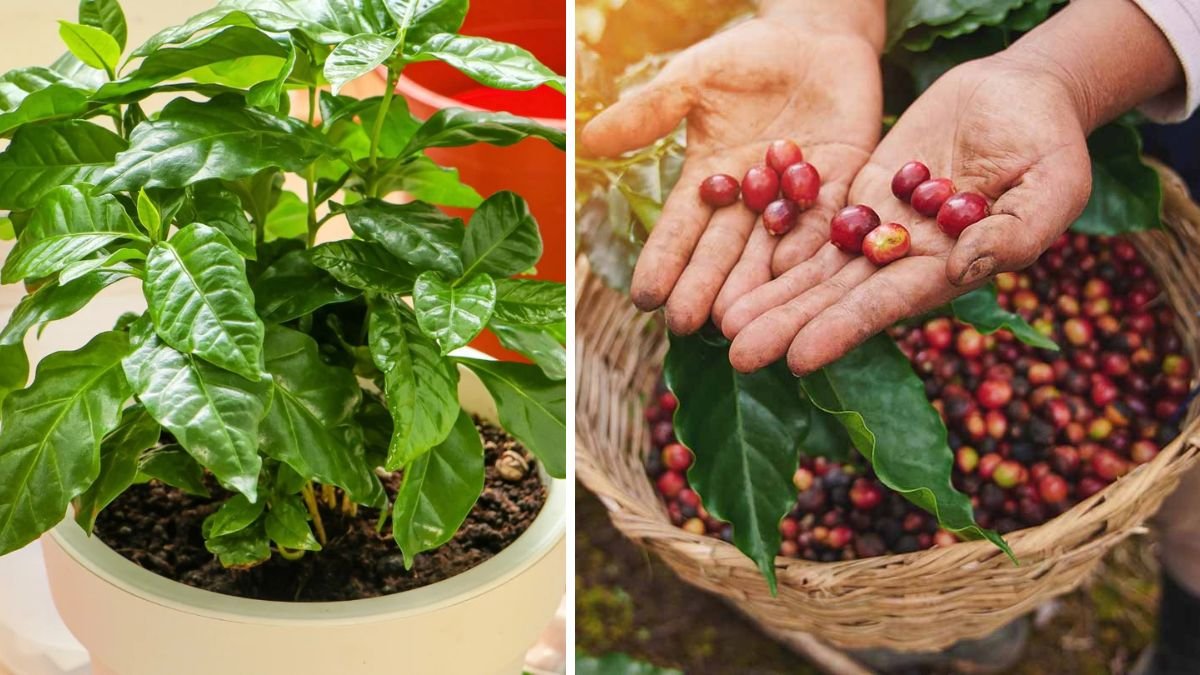
Imagine sipping coffee made from beans grown right in your home. While coffee plants are tropical by nature, they can be grown successfully indoors with patience and the right conditions. A sunny window is all it takes to begin your journey from coffee cup to coffee plant.
This guide explains how to grow your own coffee beans in a sunny window, even if you live far from the tropics.
Can You Really Grow Coffee Indoors?
Yes—coffee plants adapt well to indoor environments.
Why coffee works indoors:
- Naturally understory plants
- Prefer indirect sunlight
- Thrive in containers
- Attractive glossy foliage
- Long-lived houseplants
While fruiting takes time, the plant itself is beautiful and rewarding.
Understanding the Coffee Plant
Coffee comes from the Coffea plant.
Key facts:
- Tropical evergreen shrub
- Grows 3–6 feet indoors
- Produces fragrant white flowers
- Beans develop inside red cherries
- Takes 3–5 years to fruit
Growing coffee is a long-term but satisfying project.
Choosing the Right Coffee Beans or Plant
You can start from:
- Fresh, unroasted coffee beans (green beans)
- A young coffee plant from a nursery
Important: Roasted coffee beans will not germinate.
Arabica coffee is best for indoor growing.
How to Germinate Coffee Beans
Preparing the Beans
- Use fresh, green coffee beans
- Soak beans in water for 24 hours
- Remove any damaged beans
Planting
- Plant beans ½ inch deep
- Use moist, well-draining soil
- Keep warm and humid
Germination may take 4–8 weeks.
Best Soil for Coffee Plants
Coffee prefers:
- Loose, well-draining soil
- Slightly acidic pH (6.0–6.5)
- Rich organic matter
A mix of potting soil, compost, and perlite works well.
Light Requirements: The Sunny Window Setup
Coffee plants need:
- Bright, indirect light
- East- or south-facing windows
- Filtered sunlight through sheer curtains
Avoid harsh direct sun, which can scorch leaves.
Watering Coffee Plants Properly
Consistent moisture is key.
Watering tips:
- Keep soil evenly moist
- Water when top inch feels dry
- Avoid soggy soil
- Use room-temperature water
Coffee plants dislike drought and waterlogging.
Humidity and Temperature Needs
Coffee thrives in:
- Temperatures between 65–80°F (18–27°C)
- Moderate to high humidity
Ways to increase humidity:
- Use a humidifier
- Place plant on a pebble tray
- Group with other plants
Dry air causes leaf browning.
Fertilizing Coffee Plants
Feed regularly during growth.
Fertilizing tips:
- Use balanced liquid fertilizer
- Feed every 4–6 weeks
- Reduce feeding in winter
Avoid overfertilizing, which damages roots.
Pruning and Shaping
Pruning keeps the plant compact.
Pruning tips:
- Pinch growing tips
- Remove weak or leggy branches
- Prune lightly in spring
Pruning also encourages bushier growth.
Flowering and Coffee Cherry Development
Under good conditions:
- Plants flower after 3–4 years
- White flowers are fragrant
- Cherries develop over several months
Each cherry contains two coffee beans.
Harvesting and Processing Coffee Beans
Once cherries turn red:
- Harvest by hand
- Remove pulp
- Wash beans
- Dry thoroughly
- Roast before brewing
Homegrown coffee is more about experience than yield.
Common Problems and Solutions
- Yellow leaves: Overwatering or nutrient deficiency
- Brown tips: Low humidity
- Slow growth: Insufficient light
Small adjustments make a big difference.
Final Thoughts
Growing your own coffee beans in a sunny window is a rewarding blend of gardening and curiosity. While it requires patience, the beauty of the plant and the satisfaction of harvesting your own beans make the journey worthwhile. Even if you never brew a full cup, the experience alone is rich and memorable.