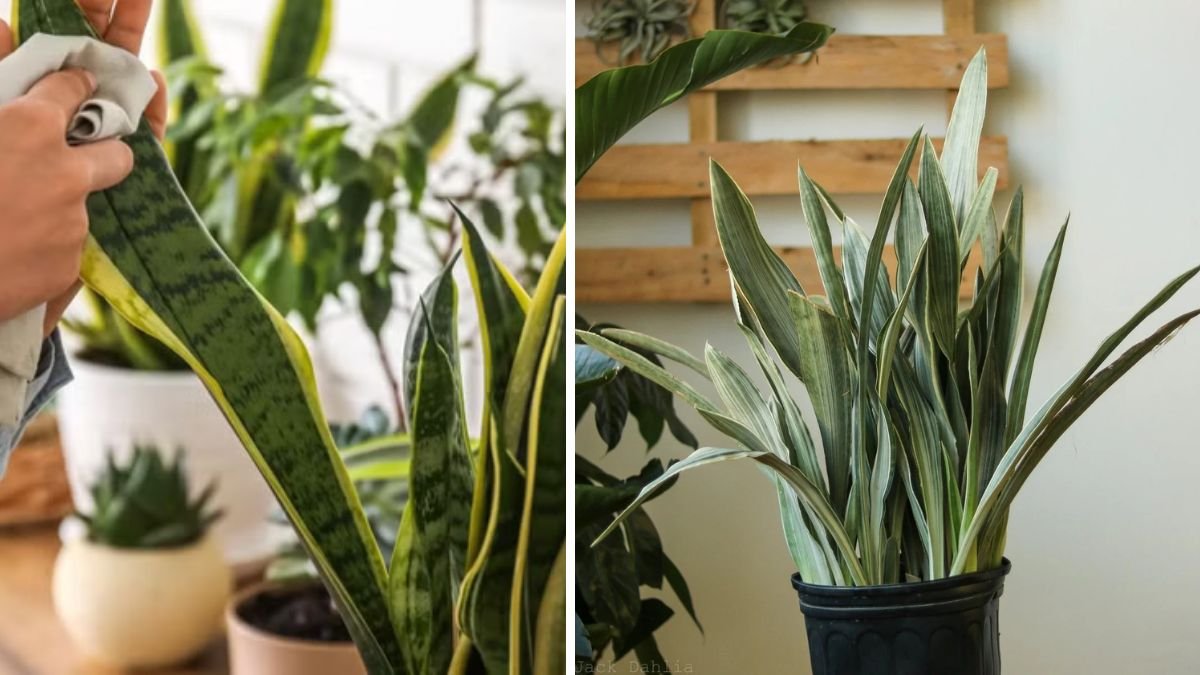
Sansevieria, commonly known as snake plant or mother-in-law’s tongue, has become one of the most popular houseplants in modern homes. Loved by interior designers and plant beginners alike, it combines striking architectural beauty with exceptional durability.
This article explores why Sansevieria is a stylish and easy-care houseplant, making it a perfect choice for homes, offices, and busy lifestyles.
What Makes Sansevieria So Popular?
Sansevieria stands out because it:
- Requires minimal care
- Tolerates low light
- Survives irregular watering
- Improves indoor air quality
- Complements modern décor
It’s one of the toughest houseplants available.
Visual Appeal and Modern Style
Sansevieria has tall, upright leaves with bold patterns.
Design benefits:
- Clean, architectural shape
- Works with minimalist and modern interiors
- Adds height without clutter
- Looks great in decorative pots
Its sleek appearance makes it a natural design statement.
Different Varieties of Sansevieria
There are many beautiful varieties to choose from.
Popular types include:
- Snake Plant ‘Laurentii’ – Yellow-edged leaves
- Snake Plant ‘Moonshine’ – Silvery green foliage
- Snake Plant ‘Zeylanica’ – Dark, patterned leaves
- Snake Plant ‘Cylindrica’ – Round, upright stems
Each variety offers a unique visual appeal.
Light Requirements
Sansevieria adapts to many light conditions.
Light tolerance:
- Low light
- Bright indirect light
- Some direct sunlight
It grows faster in brighter light but survives almost anywhere.
Watering Needs: Less Is More
Overwatering is the only serious threat.
Watering guidelines:
- Water every 2–3 weeks
- Allow soil to dry completely between watering
- Reduce watering in winter
Sansevieria stores water in its leaves, making it drought-tolerant.
Best Soil and Potting
Good drainage is essential.
Ideal soil:
- Well-draining cactus or succulent mix
- Added sand or perlite
Pot tips:
- Use pots with drainage holes
- Terracotta pots help prevent overwatering
Proper soil prevents root rot.
Temperature and Humidity Tolerance
Sansevieria thrives in:
- Normal indoor temperatures
- Low to moderate humidity
It tolerates dry air better than most houseplants, making it ideal for apartments.
Fertilizing Sansevieria
Sansevieria needs very little feeding.
Fertilizing tips:
- Feed once every 2–3 months
- Use diluted houseplant fertilizer
- Avoid feeding during winter
Overfertilizing can damage roots.
Air-Purifying Benefits
Sansevieria is known for improving indoor air quality.
Benefits include:
- Absorbing toxins
- Releasing oxygen at night
- Improving indoor atmosphere
It’s often recommended for bedrooms and offices.
Low Maintenance and Longevity
Snake plants are incredibly long-lived.
Why they’re beginner-friendly:
- Forgive missed watering
- Resist pests and disease
- Require minimal pruning
- Grow slowly and steadily
Many plants thrive for decades with basic care.
Common Problems and Easy Fixes
- Yellow leaves: Overwatering
- Soft, mushy leaves: Root rot
- Brown tips: Cold drafts or excess fertilizer
Correcting care habits usually resolves issues quickly.
Why Sansevieria Is Perfect for Modern Homes
Sansevieria fits today’s lifestyles perfectly:
- Ideal for busy schedules
- Safe for offices and apartments
- Enhances interior design
- Requires little attention
It’s both functional and fashionable.
Final Thoughts
Sansevieria proves that beautiful houseplants don’t need to be high-maintenance. With its striking appearance, incredible resilience, and adaptability, it’s one of the best plants for modern living. Whether you’re a beginner or an experienced plant lover, Sansevieria brings effortless style and greenery into any space.