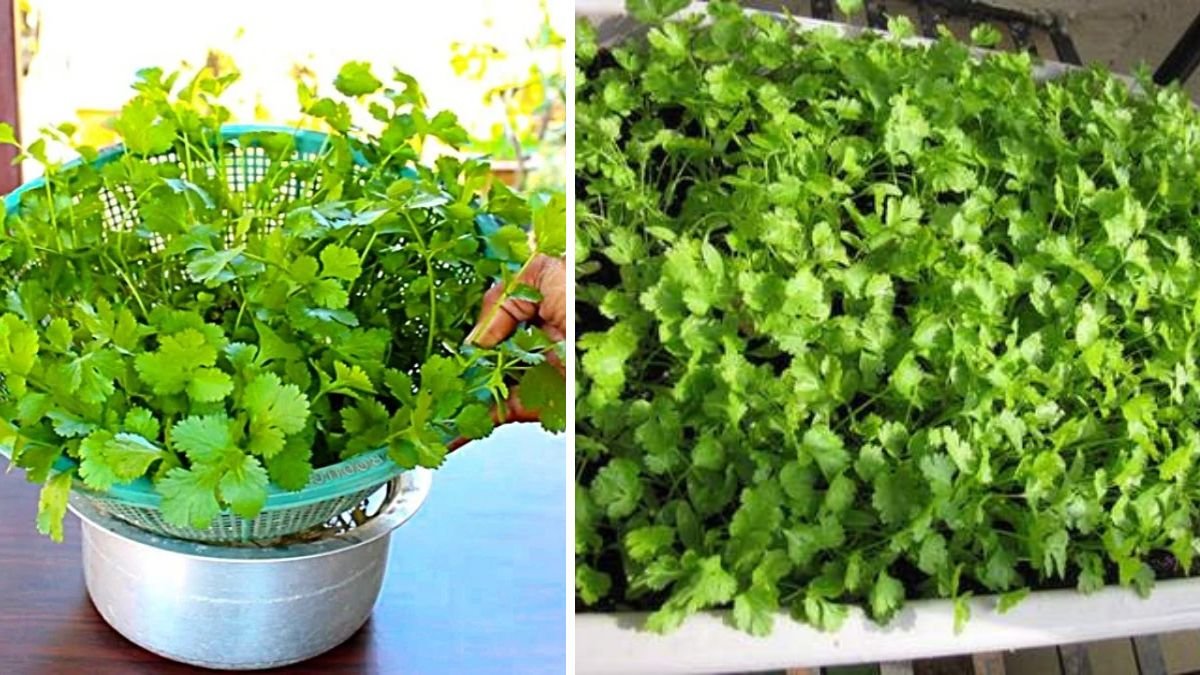
Coriander, also known as cilantro, is a must-have herb in kitchens worldwide. While many gardeners struggle with bolting or poor growth, growing coriander in produce crates offers an easy, affordable, and flexible solution. This method works on balconies, rooftops, patios, and even indoors.
This guide explains how to grow fresh coriander anywhere using simple produce crates, making it perfect for beginners and small-space gardeners.
Why Use Produce Crates for Growing Coriander?
Produce crates are ideal for herb gardening because they:
- Are inexpensive or free
- Provide excellent drainage
- Are lightweight and portable
- Allow flexible placement
- Suit shallow-rooted plants like coriander
They’re perfect for creative, sustainable gardening.
Choosing the Right Produce Crate
Not all crates are equal.
Best crate features:
- Strong plastic or wooden crates
- Minimum depth of 6–8 inches
- Open or slotted sides for drainage
- Easy to line with fabric or plastic
Avoid crates treated with chemicals.
Preparing the Crate for Planting
Before planting, prepare your crate properly.
Steps:
- Line the crate with landscape fabric or newspaper
- Leave gaps for drainage
- Elevate the crate slightly for airflow
- Ensure excess water can escape
Good drainage prevents root rot.
Soil Mix for Crate-Grown Coriander
Coriander thrives in loose, rich soil.
Ideal soil mix:
- 60% potting soil
- 30% compost
- 10% sand or perlite
The soil should hold moisture but drain well.
Choosing the Right Coriander Seeds
Select:
- Slow-bolting varieties
- Fresh seeds for better germination
- Varieties suited to your climate
Lightly crush seeds before planting to improve germination.
How to Plant Coriander in Produce Crates
- Fill crate with soil mix
- Sow seeds evenly across the surface
- Cover lightly with soil (¼ inch)
- Water gently
- Place in bright, indirect sunlight
Seeds germinate in 7–14 days.
Light Requirements
Coriander prefers:
- 4–6 hours of sunlight
- Morning sun and afternoon shade
- Bright indoor light or grow lights
Too much heat causes early bolting.
Watering Coriander in Crates
Crates dry faster than garden beds.
Watering tips:
- Keep soil consistently moist
- Water early in the day
- Avoid soaking the soil
- Mist lightly during hot weather
Consistent moisture keeps leaves tender.
Succession Planting for Continuous Harvest
To ensure year-round supply:
- Sow seeds every 2–3 weeks
- Use multiple crates
- Rotate planting positions
Succession planting prevents gaps in harvest.
Feeding Crate-Grown Coriander
Coriander is a light feeder.
Feeding tips:
- Add compost before planting
- Use diluted liquid fertilizer every 3–4 weeks
- Avoid high-nitrogen fertilizers
Overfeeding causes weak growth.
Harvesting Coriander Correctly
Harvesting properly extends plant life.
Best harvesting method:
- Cut outer leaves first
- Leave the center intact
- Harvest frequently
- Never remove more than one-third of the plant
Regular harvesting delays flowering.
Preventing Bolting
Bolting is the main challenge.
Prevention tips:
- Provide shade during hot weather
- Keep soil cool with mulch
- Harvest often
- Avoid overcrowding
Once bolting begins, leaf quality declines.
Growing Coriander Indoors With Crates
Produce crates work indoors too.
Indoor tips:
- Place near bright windows
- Use grow lights 10–12 hours daily
- Maintain temperatures between 60–75°F (15–24°C)
Indoor growing allows year-round harvest.
Common Problems and Solutions
- Yellow leaves: Overwatering or nutrient deficiency
- Slow growth: Low light or poor soil
- Pests: Aphids—use neem oil
Simple adjustments solve most issues.
Final Thoughts
Growing coriander using produce crates proves that fresh herbs don’t require a traditional garden. With minimal cost, flexible placement, and simple care, you can enjoy fragrant coriander leaves anywhere—on balconies, rooftops, or kitchen corners. This method makes coriander growing accessible, sustainable, and incredibly rewarding.