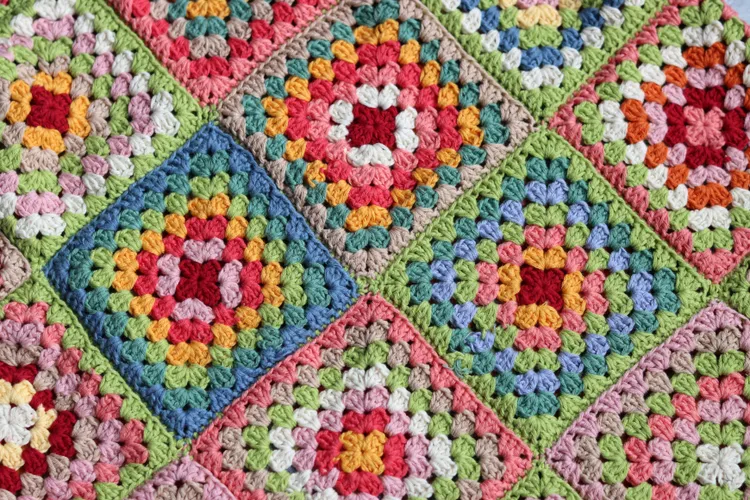
Crocheted pieces—whether handmade blankets, doilies, scarves, or decorative items—carry a special charm. They are often created with care, time, and love, making them valuable not just monetarily but sentimentally. Over time, however, crocheted items can accumulate dust, oils, or stains, and improper cleaning can lead to stretching, fraying, or even damage to the delicate fibers.
If you want your crocheted pieces to last forever, proper care and cleaning are essential. This guide will take you through expert-recommended steps, tips, and precautions to ensure your crocheted treasures stay beautiful for years to come.
Understanding Your Crocheted Piece
Before cleaning, it’s essential to understand the type of yarn used in your crochet project. The care method depends on the fiber composition, as different materials react differently to washing and drying.
Common Yarn Types
- Cotton Yarn:
- Durable, breathable, and easy to clean.
- Can usually handle warm water but may shrink slightly if washed too hot.
- Wool and Wool Blends:
- Soft and warm but prone to felting and shrinking.
- Require gentle handling and cold water.
- Acrylic Yarn:
- Durable, colorfast, and machine-washable.
- Less prone to shrinking, but high heat can cause melting or distortion.
- Delicate Fibers (Silk, Bamboo, Linen):
- Luxurious and soft but fragile.
- Require hand washing with cool water and mild detergents.
Understanding your yarn type helps prevent damage during the cleaning process and preserves the piece’s shape and texture.
Step 1: Dusting and Shaking Out Debris
For lightly soiled or dusty pieces, a full wash may not be necessary.
How to do it:
- Take the crocheted piece outside or to a clean surface.
- Shake it gently to remove dust, crumbs, or loose debris.
- For small pieces like doilies, use a soft brush or lint roller to lift dirt.
This step helps avoid unnecessary washing and reduces wear and tear over time.
Step 2: Spot Cleaning
Many times, only specific areas of a crocheted piece may be dirty, such as spills or stains. Spot cleaning avoids full immersion and prevents stretching.
Method:
- Prepare a solution of cool water and a few drops of mild detergent or wool wash.
- Dip a clean cloth or sponge into the solution.
- Blot the stained area gently—avoid rubbing, which can distort the stitches.
- Rinse by dabbing with clean water.
- Press gently with a towel to remove excess moisture.
Spot cleaning is particularly useful for heirloom pieces or delicate fibers that cannot withstand frequent washing.
Step 3: Hand Washing (Preferred Method)
Hand washing is generally the safest method for all crocheted items, especially for wool, silk, or delicate cotton.
Instructions:
- Fill a clean basin or sink with cold or lukewarm water (never hot).
- Add a small amount of mild detergent, baby shampoo, or specialized wool wash.
- Submerge the crocheted piece gently, pushing it down without twisting or wringing.
- Let it soak for 10–20 minutes to release dirt and oils.
- Gently agitate by pressing and squeezing lightly with your hands.
Important: Avoid rubbing, twisting, or wringing, as this can stretch or distort the intricate crochet stitches.
Step 4: Rinsing Thoroughly
Rinsing is just as important as washing to remove all detergent residue, which can weaken fibers over time.
How to rinse:
- Empty the soapy water and refill with clean, cold water.
- Submerge the piece gently, pressing lightly to release suds.
- Repeat until the water is clear.
- For wool items, consider adding a small amount of vinegar to the final rinse to restore softness and remove soap residues.
Step 5: Drying Carefully
Proper drying is critical to prevent stretching, shrinking, or mildew. Most crocheted pieces should never be wrung out.
Recommended methods:
1. Towel Drying
- Lay the item flat on a clean, dry towel.
- Roll the towel and crocheted piece together like a jelly roll to gently press out excess water.
- Avoid twisting or wringing.
2. Flat Drying
- Spread the piece on a fresh towel or a drying rack in its natural shape.
- Gently shape edges, corners, and motifs to ensure even drying.
- Air dry away from direct sunlight to prevent fading.
3. Blocking (Optional)
For intricate patterns like lace or motifs, blocking helps restore shape:
- Pin the damp piece to a blocking board or towel using rust-proof pins.
- Stretch gently to desired dimensions.
- Allow it to dry completely before unpinning.
Blocking is particularly important for delicate lace, doilies, and heirloom pieces.
Step 6: Machine Washing (If Safe for the Yarn)
Some modern acrylic or cotton blends are labeled as machine-washable. When in doubt, check the yarn label or consult the person who made the piece.
Tips for safe machine washing:
- Use a mesh laundry bag to protect the crochet stitches.
- Wash on a gentle or delicate cycle with cold water.
- Use a mild detergent without bleach.
- Avoid high spin speeds that can stretch the fabric.
- Always lay flat to dry after washing.
Even for machine-safe items, hand washing remains the most gentle method.
Step 7: Storing Crocheted Pieces
Proper storage is just as important as cleaning for longevity.
Storage tips:
- Keep items in a cool, dry place. Avoid basements or attics prone to moisture.
- Fold loosely to prevent creases and distortion of stitches.
- Store in breathable cotton bags or pillowcases to avoid dust buildup.
- For wool or natural fibers, add cedar blocks or lavender sachets to deter moths.
- Avoid plastic containers for long-term storage, which can trap moisture and lead to mildew.
Additional Tips for Longevity
- Wash sparingly: Frequent washing can wear out yarn over time.
- Rotate use: If you have multiple blankets or throws, rotate them to distribute wear.
- Avoid harsh detergents: Bleach and strong chemicals break down fibers.
- Keep away from pets: Cats and dogs can snag or pull yarn loops.
- Repair promptly: Fix small snags or loose threads to prevent further unraveling.
Common Mistakes to Avoid
- Wringing or twisting: This can stretch or distort the piece.
- Hot water: Especially dangerous for wool and natural fibers.
- Stacking while wet: Traps moisture and encourages mildew.
- Using fabric softener: Can coat yarn and reduce absorbency in cotton or terry yarns.
- Ignoring color bleeding: Wash new or vibrant items separately to prevent dye transfer.
Conclusion
Crocheted pieces are more than just decorative—they are handmade treasures that carry skill, time, and love. To keep them looking beautiful for years—or even decades—proper cleaning, drying, and storage are essential.
Hand washing in cold or lukewarm water with a gentle detergent, careful rinsing, flat drying, and occasional blocking will preserve the shape, softness, and color of your crochet projects. For yarns labeled machine-washable, a delicate cycle and flat drying are still safest. Proper storage in breathable containers and prompt care for snags or stains ensures your pieces last a lifetime.
By following these expert tips, your crocheted blankets, scarves, doilies, and other creations can remain soft, vibrant, and intact, allowing you—or future generations—to enjoy them for years. With patience and care, your crochet work can truly last forever.