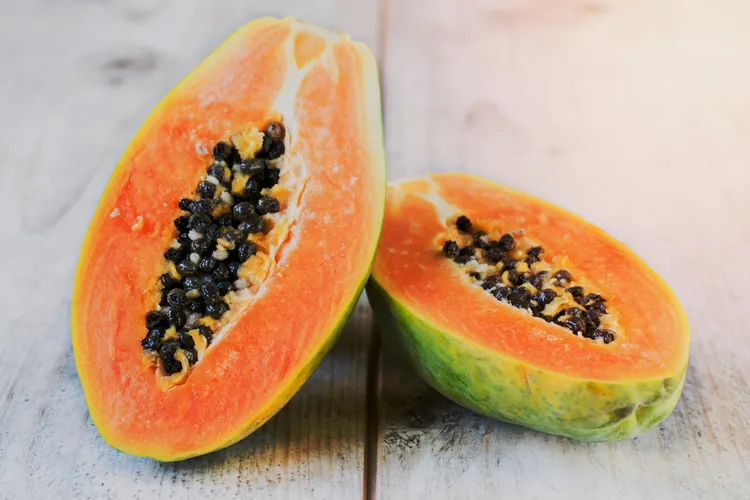
Papayas are tropical fruits loved for their sweet, juicy flesh and numerous health benefits. Rich in vitamins A and C, antioxidants, and digestive enzymes, they are not only delicious but also incredibly nutritious. While buying papayas from the store is convenient, growing your own plant can be a rewarding experience. The good news is that you can grow a papaya plant from the seeds of store-bought fruit. With a little patience, proper care, and attention to detail, your seeds can transform into a thriving tropical tree in your garden or even in a large pot.
In this article, we’ll walk you through a step-by-step guide on how to grow papaya from store-bought seeds, including seed preparation, planting, germination, and ongoing care to ensure healthy growth and fruit production.
Step 1: Selecting the Right Papaya
The first step in growing papaya is choosing the right fruit from the store. Not all papayas are equally suitable for planting. Consider these tips:
- Choose ripe but firm fruit: Avoid overly soft or bruised papayas, as the seeds inside may not be viable.
- Prefer organic if possible: Organic fruits are less likely to have been treated with chemicals or pesticides that could affect seed germination.
- Note the variety: Some papaya varieties, especially hybrid or commercial ones, may not grow true-to-type from seeds. However, many store-bought seeds can still produce healthy plants, though fruit characteristics may vary.
Selecting high-quality fruit increases the likelihood of successful germination and healthier seedlings.
Step 2: Extracting and Cleaning the Seeds
Once you’ve selected your fruit, the next step is to extract and prepare the seeds.
How to do it:
- Cut the papaya open: Slice the fruit in half lengthwise and scoop out the seeds with a spoon.
- Separate the seeds: Place them in a bowl of water. Ripe seeds typically sink while pulp and non-viable seeds float.
- Remove the gelatinous coating: The seeds are covered in a slimy substance that can inhibit germination. Rub the seeds gently between your fingers or use a paper towel to remove the coating.
- Rinse thoroughly: Wash the seeds to remove any remaining pulp, which can encourage mold if left on.
Tip: After cleaning, let the seeds dry on a paper towel for a day or two before planting. Avoid prolonged drying, as overly dry seeds may lose viability.
Step 3: Preparing for Germination
Papaya seeds are best sown in warm, moist conditions. Proper preparation can significantly increase germination success.
Materials Needed:
- Seed tray or small pots
- Well-draining potting mix (a mix of peat, perlite, and compost works well)
- Plastic wrap or a humidity dome (optional)
Steps:
- Fill containers with soil: Use light, well-draining soil. Papayas do not tolerate waterlogged conditions.
- Plant the seeds: Sow seeds about 1/2 inch (1.5 cm) deep. Space multiple seeds apart if using a tray.
- Water lightly: Keep the soil moist but not soggy. Overwatering can cause seeds to rot.
- Create warmth and humidity: Covering the tray with plastic wrap or a dome helps retain humidity and warmth, essential for tropical seed germination.
Germination typically occurs within 2–3 weeks under optimal conditions, though some seeds may take up to a month.
Step 4: Caring for Seedlings
Once your seeds germinate, careful care is key to developing strong papaya seedlings.
Light Requirements:
- Papaya seedlings need bright, indirect light.
- Avoid direct harsh sunlight until the plants are established, as young seedlings are sensitive to scorching.
Watering:
- Keep the soil consistently moist but avoid standing water.
- Water at the base to prevent fungal growth on the leaves.
Thinning Seedlings:
- If multiple seeds sprout in the same pot, thin them to one strongest seedling per container.
- Remove weaker seedlings by gently snipping them at soil level to avoid disturbing the remaining plant’s roots.
Step 5: Transplanting
After 6–8 weeks, seedlings are usually ready for transplanting into larger pots or the garden.
Transplanting Steps:
- Choose a sunny location: Papayas thrive in full sun, ideally 6–8 hours per day.
- Prepare the soil: Papayas prefer rich, well-draining soil. Incorporate compost or organic matter to boost fertility.
- Handle seedlings gently: Dig a hole slightly larger than the seedling’s root ball.
- Plant carefully: Place the seedling in the hole, cover with soil, and water thoroughly.
Container Growing:
- Papayas can grow in large containers if soil and sunlight conditions are adequate.
- Use pots at least 15–20 gallons (60–75 liters) to accommodate the tree’s rapid root growth.
- Ensure proper drainage holes to prevent root rot.
Step 6: Fertilization
Papayas are heavy feeders, especially when young. Proper nutrition encourages healthy growth and future fruiting.
- Young seedlings: Use a balanced liquid fertilizer every 2–3 weeks.
- Mature plants: Apply compost or slow-release fertilizer rich in nitrogen, potassium, and phosphorus to support foliage, flowering, and fruit development.
- Micronutrients: Papayas benefit from magnesium and calcium, which can be added through dolomite lime or foliar sprays.
Step 7: Watering and Mulching
- Papayas require regular watering to establish strong roots, but they dislike waterlogged soil.
- Mulching around the base helps retain moisture, suppress weeds, and regulate soil temperature.
- Reduce watering slightly when the plant is dormant, but never let the soil dry completely, especially in warmer climates.
Step 8: Pruning and Support
Papaya plants can grow quickly and may require structural support to prevent toppling:
- Pruning: Minimal pruning is required. Remove dead, damaged, or diseased leaves and any lateral branches that compete with the main trunk.
- Support: Young papaya plants may need stakes to stabilize the trunk, especially in windy areas.
Unlike many trees, papayas produce fruit on a single trunk, so careful pruning ensures maximum fruiting potential.
Step 9: Flowering and Fruiting
Papayas can bear fruit in as little as 6–12 months from seed under optimal conditions.
Key Points:
- Sex of the plant: Papaya plants can be male, female, or hermaphrodite. Only female or hermaphrodite plants produce fruit.
- Pollination: Hermaphrodite plants can self-pollinate, while female plants require a nearby male or hermaphrodite for fertilization.
- Fruit development: Flowers appear near the top of the trunk, and fruits typically mature 5–8 months after flowering.
Step 10: Pests and Disease Management
Papayas are susceptible to pests and diseases, so early preventive care is important:
- Common pests: Aphids, whiteflies, mealybugs, and spider mites.
- Fungal diseases: Anthracnose and powdery mildew can occur in humid conditions.
- Management tips:
- Inspect plants regularly for signs of pests.
- Use organic insecticidal soap or neem oil for pest control.
- Maintain proper spacing and airflow to reduce fungal issues.
Tips for Success
- Use fresh seeds: Papaya seeds lose viability quickly, so plant them soon after extraction.
- Warmth matters: Papayas thrive in temperatures between 24–30°C (75–86°F). Use a greenhouse or warm indoor location if necessary.
- Container flexibility: If you live in a cooler climate, growing papayas in pots allows you to move them indoors during cold months.
- Patience pays off: Germination and fruiting may take several months, but proper care ensures long-term success.
Conclusion
Growing a papaya plant from the seeds of store-bought fruit is a rewarding and accessible gardening project. From selecting the right fruit to preparing seeds, nurturing seedlings, and ensuring proper care, the process can be both educational and satisfying. With consistent watering, sunlight, fertilization, and attention to pests, your papaya plant can flourish, producing delicious, home-grown fruit.
Whether you have a backyard, a garden, or large containers on a balcony, cultivating papaya from seeds is a cost-effective and sustainable way to enjoy fresh tropical fruit. The key lies in patience, proper care, and understanding the plant’s needs. With these steps, you can transform those humble seeds from a store-bought papaya into a thriving tropical tree that rewards you with sweet, juicy fruits year after year.