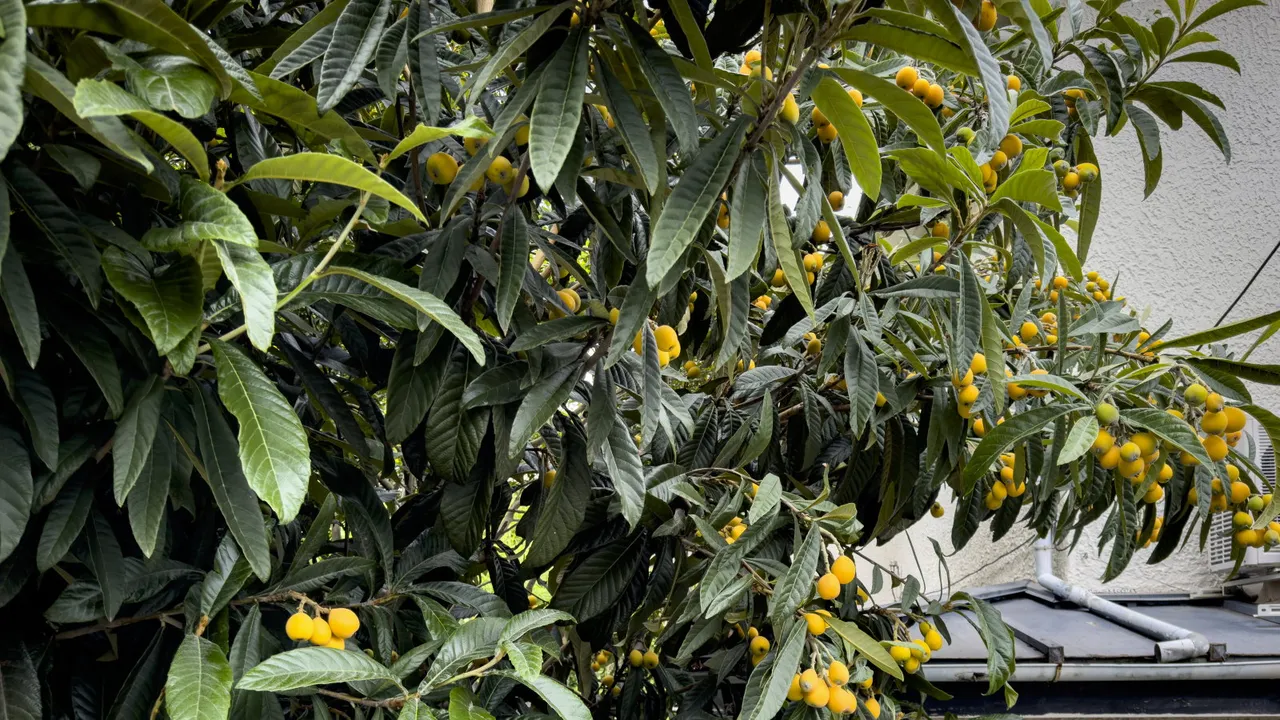
Loquat trees (Eriobotrya japonica) are beloved for their sweet, tangy fruit and glossy evergreen foliage. Often planted in home gardens, patios, and small orchards, these trees offer a reliable harvest with proper care. However, pruning—a critical aspect of tree management—can make or break your harvest. Experts now emphasize “gradual pruning” as the safest method for maintaining a loquat tree, preserving fruit production, and encouraging healthy growth. This approach avoids the shock and stress that more aggressive methods can cause.
In this article, we’ll explore why gradual pruning works, the best techniques to implement it, and tips to maximize your loquat tree’s fruit yield.
Why Pruning Matters for Loquat Trees
Pruning is essential for several reasons:
- Shape and Structure: Loquat trees can grow densely and irregularly if left unpruned. Proper pruning maintains a balanced canopy, improves light penetration, and enhances airflow.
- Fruit Production: Fruiting occurs on new growth, so careful pruning ensures more flowering branches while minimizing the risk of removing potential fruiting wood.
- Disease Prevention: Dense foliage can trap moisture and increase the risk of fungal diseases. Pruning reduces overcrowding and improves overall tree health.
- Size Management: Loquats can reach heights of 4–10 meters. Gradual pruning keeps them manageable, especially in home gardens or small yards.
While pruning is important, the method and timing significantly impact your harvest. Prune incorrectly, and you risk reducing fruit yield for the season, damaging the tree, or encouraging excessive vegetative growth at the expense of flowers and fruit.
What is Gradual Pruning?
Gradual pruning, also called selective or incremental pruning, is a method of trimming the tree in small, controlled steps rather than performing heavy cuts all at once. The idea is to remove limited amounts of foliage or branches at a time, allowing the tree to adjust and recover naturally without stress.
Experts recommend this method because:
- Loquats flower on short-lived fruiting wood: Heavy pruning can remove potential flower buds, reducing the upcoming harvest.
- Reduces stress and shock: Sudden removal of a large portion of the canopy can weaken the tree, making it susceptible to pests, diseases, and reduced fruiting.
- Encourages balanced growth: Gradual pruning allows for healthier new shoots and prevents overcompensation in foliage growth at the expense of flowers.
Instead of thinking of pruning as a single event, consider it a season-long process that maintains tree health while optimizing fruit production.
When to Prune a Loquat Tree
Timing is critical when pruning loquat trees:
- After Harvest (Late Spring to Early Summer): Loquats produce fruit in late winter or early spring. Pruning after harvest reduces the risk of cutting off flower buds for the next season.
- Light Maintenance Throughout the Year: Minor pruning can be done at any time to remove dead, diseased, or crossing branches. This helps maintain airflow and reduces pest and fungal risks.
- Avoid Heavy Pruning in Winter: Loquats are evergreen, and pruning during cold months can stress the tree and delay flowering.
Gradual pruning aligns well with this schedule, allowing small, thoughtful cuts over time rather than a drastic trim that could compromise flowering and fruiting.
How to Prune a Loquat Tree Gradually
Gradual pruning focuses on selective cuts, targeting specific goals without harming the tree. Here’s a step-by-step guide:
1. Assess the Tree
Before cutting, inspect the tree for:
- Dead, damaged, or diseased branches
- Crossing branches that rub together
- Crowded areas blocking sunlight
- Overly long or leggy shoots
Mark branches that need attention, but limit your initial pruning to no more than 10–15% of the canopy.
2. Start With Dead or Diseased Wood
Always begin by removing dead or diseased branches. These cuts improve tree health and reduce the spread of disease. Make clean cuts at the branch collar to promote healing.
3. Thin Crowded Areas
Next, remove small branches that overcrowd the canopy. Focus on:
- Branches growing inward toward the trunk
- Overlapping branches that block light or airflow
- Weak shoots unlikely to support fruit
This selective thinning allows light to penetrate the canopy, which is essential for flower and fruit development.
4. Shorten Long or Leggy Branches
Prune excessively long branches to encourage lateral growth and fruiting. Cut back to a healthy side branch or bud to maintain natural tree shape. Avoid cutting too close to the trunk, as this can stress the tree and reduce flowering potential.
5. Step Back and Reassess
After each session, step back and evaluate the tree. Gradual pruning is about small, incremental changes, so resist the temptation to remove more than necessary in a single sitting.
6. Repeat as Needed
Over the growing season, repeat selective pruning as needed. This approach maintains tree structure while allowing fruiting branches to flourish.
Tools for Gradual Pruning
Using the right tools ensures clean cuts and prevents damage to the tree:
- Hand Pruners: Ideal for small branches up to 2 cm thick.
- Loppers: Useful for medium-sized branches that are hard to reach.
- Pruning Saw: Needed for thicker limbs that pruners cannot handle.
- Disinfectant: Clean tools between cuts to prevent spreading diseases.
Clean, sharp tools reduce the risk of jagged cuts, which can cause disease entry points and delay healing.
Common Mistakes to Avoid
Even with gradual pruning, mistakes can reduce fruit yield:
- Heavy Pruning: Removing too much canopy at once reduces flower buds and stresses the tree.
- Pruning at the Wrong Time: Cutting during flowering or just before fruiting can eliminate potential harvests.
- Neglecting Dead or Diseased Branches: Failing to remove unhealthy branches can lead to disease spread.
- Over-Thinning: While airflow is important, removing too many branches can leave the tree exposed to sunburn or wind damage.
Gradual pruning helps minimize these risks by encouraging careful, planned cuts over time.
Additional Tips to Support Fruit Production
Pruning is just one part of maintaining a productive loquat tree. To maximize harvests:
- Fertilize Appropriately: Use a balanced fertilizer or one specifically designed for fruit trees to support flowering and fruiting.
- Water Consistently: Loquats prefer regular watering, especially during flowering and fruit development.
- Monitor for Pests: Gradual pruning improves airflow, which helps reduce pests, but monitor for aphids, scales, or fungal infections.
- Mulch Around the Base: Mulching conserves moisture, regulates soil temperature, and suppresses weeds.
Together, these practices complement gradual pruning to create a healthy, productive loquat tree.
Benefits of Gradual Pruning
Gradual pruning is favored by experts because it delivers multiple benefits:
- Preserves Fruit Potential: Reduces the risk of cutting off flower buds.
- Maintains Tree Health: Encourages strong, balanced growth and minimizes stress.
- Enhances Canopy Structure: Improves sunlight penetration and airflow, reducing disease risk.
- Reduces Recovery Time: Trees recover faster from small cuts than from large, heavy pruning sessions.
- Encourages Sustainable Growth: Prevents overgrowth and maintains manageable tree size.
In short, gradual pruning is both a protective and productive strategy for loquat growers.
Conclusion
Loquat trees reward careful attention with abundant, sweet fruit and lush foliage. However, improper pruning can significantly reduce harvests and weaken the tree. Experts now advocate gradual pruning as the safest, most effective method, emphasizing small, selective cuts over time rather than heavy trimming.
By following gradual pruning principles—assessing the tree carefully, removing dead or diseased wood, thinning crowded areas, and maintaining balance—you can promote healthy growth, preserve fruit potential, and enjoy consistent harvests year after year.
Remember: pruning isn’t a one-time event but a continuous process. With patience, the right timing, and attention to detail, your loquat tree can thrive, producing bountiful fruit while remaining healthy and beautiful. Gradual pruning is not just a technique—it’s a long-term strategy for ensuring your tree’s vitality and your harvest’s success.