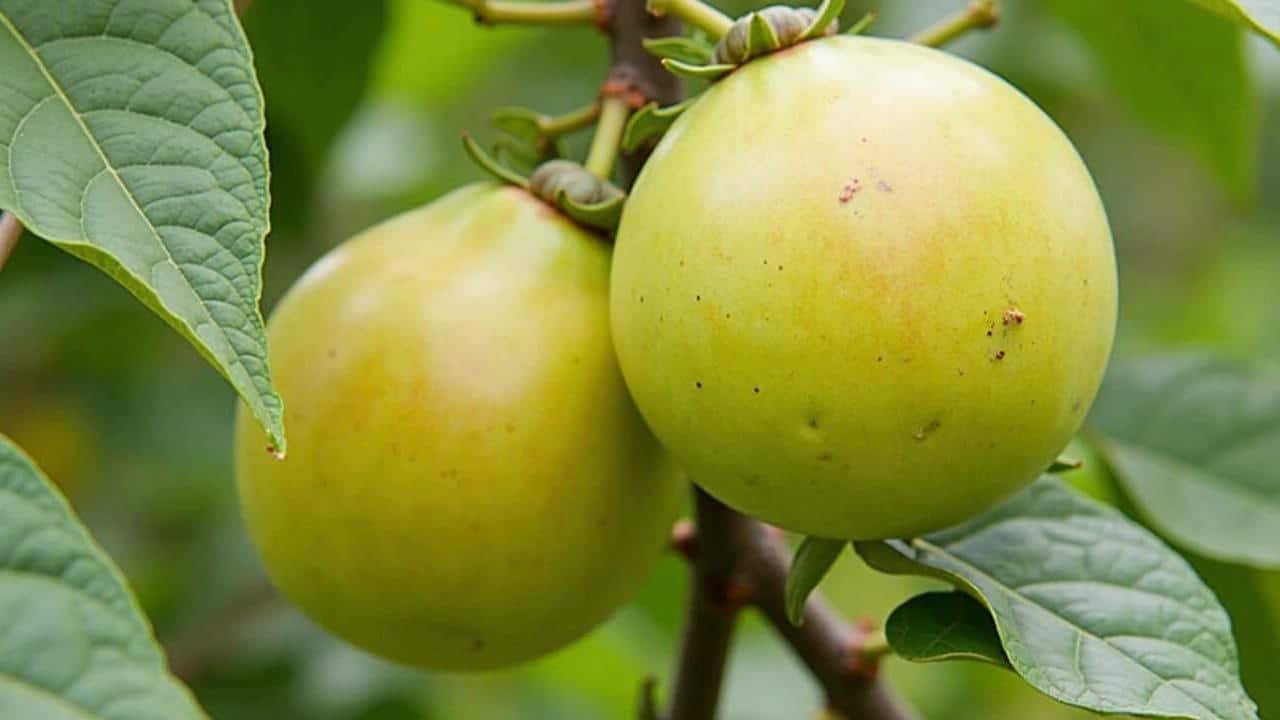
For many renters, having a private garden is one of the perks of tenancy. Gardens provide a space to relax, grow flowers, vegetables, or fruit, and enjoy outdoor living without leaving home. However, questions often arise when a landlord wants access to the garden for reasons beyond maintenance. A common scenario is a landlord wanting to enter the garden to pick fruit from trees or plants that the tenant has been cultivating. This situation can raise legal, ethical, and practical concerns.
In this article, we will explore the rights of tenants versus landlords, relevant laws, practical advice, and ways to resolve conflicts when it comes to accessing a rented garden. Understanding these rights helps prevent disputes and ensures that both parties maintain a respectful and legal relationship.
1. Understanding the Basics of Tenancy Rights
Tenancy rights vary depending on the country and local laws, but some general principles apply in most jurisdictions:
- Exclusive Possession: When a tenant rents a property, they typically have “exclusive possession” of the home, including the garden, unless the lease specifies otherwise. Exclusive possession means the tenant can use the space freely without the landlord entering at will.
- Lease Agreement: The lease or rental agreement often outlines what areas the tenant can use and what access the landlord retains. Some agreements allow the landlord to maintain gardens, inspect the property, or make necessary repairs.
- Reasonable Notice: Even if the landlord has a right to access the garden for maintenance or inspections, they must generally provide reasonable notice, often 24–48 hours, and cannot enter arbitrarily.
In essence, tenants usually have the right to enjoy their garden and harvest any fruits or vegetables they have planted, provided the garden is part of their rented premises.
2. When Landlords May Have a Right to Enter
While tenants have rights to their garden, landlords are not entirely prohibited from entering. Typical situations include:
- Maintenance and Repairs: If a tree, fence, or garden structure needs repair, the landlord may need access. This is usually allowed with proper notice and only for necessary work.
- Inspection: Some leases grant landlords the right to inspect the property periodically. Inspections must be reasonable and conducted at appropriate times.
- Emergency Situations: If there is an urgent problem, such as a storm-damaged tree threatening safety, landlords may have immediate access to prevent harm.
However, picking fruit for personal use generally does not fall under these categories. Unless the lease explicitly states that the landlord retains rights to the garden’s produce, tenants usually have control over the fruits they grow.
3. Legal Considerations
The legality of a landlord entering a garden to pick fruit depends on local tenancy and property laws. Some general legal principles include:
- Trespass: Unauthorized entry into a rented garden can be considered trespassing. If a landlord enters without permission or without a legal reason, they may be liable.
- Tenant’s Property Rights: Plants, trees, and crops grown by the tenant often legally belong to the tenant, even if the land is rented. This means the tenant has the right to harvest and enjoy the produce.
- Lease Clauses: Always review the lease agreement. If the lease explicitly grants the landlord the right to garden maintenance or access for harvesting, they may have limited rights—but this is uncommon.
In many countries, the law is clear that the fruits grown in a tenant’s garden belong to the tenant, and the landlord cannot pick them without consent. This is similar to the principle of “tenant’s fixtures and fittings,” where anything installed or cultivated by the tenant typically remains their property during the lease term.
4. Ethical and Practical Considerations
Even if legal boundaries exist, the situation can create tension between tenants and landlords. Consider the following:
- Mutual Respect: Gardens are often a personal space, and picking fruit without permission can be perceived as an invasion of privacy.
- Communication: Open discussions about garden use can prevent disputes. For instance, landlords may request some fruit for personal consumption, but tenants are under no obligation to agree.
- Shared Agreements: In some cases, tenants and landlords may agree to share produce, particularly if the landlord maintains trees or plants that were present before the tenancy.
Ethical behavior and clear agreements can prevent conflicts that might escalate into legal issues.
5. What Tenants Can Do
If a landlord wants to pick fruit without permission, tenants have several options:
- Review the Lease: Check the rental agreement to see if any clauses address garden access or use. Most standard leases do not grant landlords the right to harvest produce.
- Communicate Clearly: Politely explain that the garden is part of your rented space and that you intend to harvest your own fruits.
- Put Agreements in Writing: If you’re open to sharing some produce, consider drafting a simple written agreement specifying what the landlord can take and when.
- Know Your Rights: Research local tenancy laws to understand protections against unauthorized entry. In many areas, tenants can file complaints if landlords trespass or violate lease terms.
- Document Incidents: If disputes escalate, take photos or keep a record of unauthorized entries, as this may be useful in legal or mediation processes.
6. Preventing Disputes
Preventive measures can help ensure that both landlords and tenants maintain a positive relationship:
- Garden Maintenance Plan: Agree on responsibilities for pruning, watering, and harvesting in advance. This prevents misunderstandings about ownership of the produce.
- Access Notice: Landlords should always provide written or verbal notice for any visits to the garden, except in emergencies.
- Boundaries and Signs: Simple measures like garden fences or clear labeling of your planted areas can reinforce the idea of tenant-controlled space.
- Open Dialogue: Regular communication about garden activities fosters goodwill and prevents conflicts.
7. Special Situations
Certain situations can complicate garden access:
- Trees or Plants Already Present: If fruit trees were planted by the landlord before the tenancy, they may claim ownership of the produce. A discussion or agreement is usually necessary.
- Shared Gardens: In multi-tenant properties with communal gardens, agreements about harvesting rights should be established to prevent conflicts.
- Commercial Gardens: If you rent land explicitly for farming, local agricultural or tenancy laws may differ regarding crop ownership.
Each scenario requires careful consideration of the lease, local laws, and mutual expectations.
8. Summary of Key Points
- Tenants generally own the fruits they grow in a rented garden.
- Landlords cannot pick fruit without permission, except in rare circumstances defined in the lease or local law.
- Lease agreements and local tenancy laws determine the boundaries of access and ownership.
- Communication and written agreements are crucial for resolving disputes.
- Ethics matter: respecting personal space and property helps maintain good tenant-landlord relationships.
9. Practical Advice for Gardeners
If you want to protect your garden while maintaining harmony:
- Keep Valuable Plants in Accessible Locations: Place your fruit trees or vegetable beds in areas clearly part of your rented space.
- Label Trees or Plants: Signs like “Tenant’s Produce” can deter casual harvesting and remind landlords of boundaries.
- Document Agreements: If sharing is allowed, write it down to avoid misunderstandings.
- Use Fencing or Trellises: Physical barriers can reinforce ownership and reduce unauthorized access.
- Stay Informed: Familiarize yourself with local tenancy laws to understand your rights regarding garden access and produce ownership.
10. Conclusion
The short answer to the question, “Does my landlord have the right to enter my garden to pick fruit?”, is generally no. Tenants usually have exclusive rights to the produce they grow, and landlords cannot harvest fruits without permission unless the lease specifically grants that right. Understanding your lease, local laws, and clear communication with your landlord is the best way to protect your garden and prevent disputes.
Gardens are personal spaces, and the fruits of your labor should belong to you. By establishing boundaries, documenting agreements, and practicing respectful communication, both tenants and landlords can enjoy a positive relationship while keeping the garden thriving.