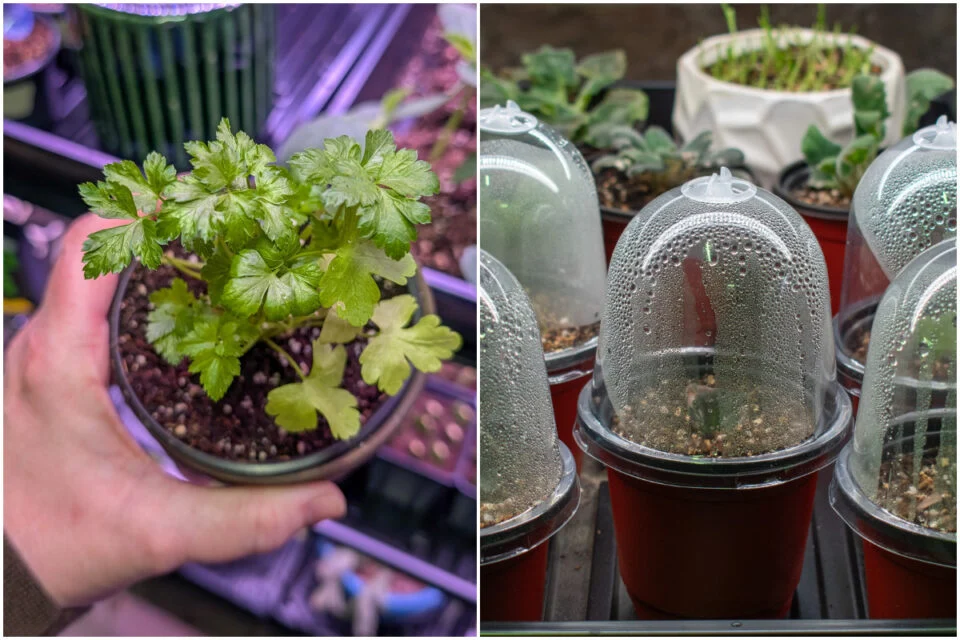
Gardening can be a rewarding hobby, but some seeds require extra patience. Unlike fast-germinating seeds that sprout within days, slow-germinating seeds may take weeks, months, or even years to sprout. These seeds often come from plants that have evolved to withstand harsh conditions or require specific environmental cues, such as temperature fluctuations, scarification, or stratification. Understanding how to start these seeds correctly is key to successfully growing your garden.
In this guide, we’ll explore 21 slow-germinating seeds, explain why they are slow to sprout, and provide practical methods to encourage germination. Whether you’re planting trees, shrubs, or exotic plants, these tips will help you overcome the wait and cultivate thriving seedlings.
Why Some Seeds Germinate Slowly
Several factors contribute to slow germination:
- Hard Seed Coats: Some seeds, like acacia or lotus, have tough coats that prevent water and oxygen from reaching the embryo.
- Dormancy Mechanisms: Certain seeds enter a dormant state to survive unfavorable conditions. For example, many perennial flowers require cold stratification.
- Specific Environmental Triggers: Some seeds need temperature changes, light exposure, or even passing through an animal’s digestive system.
- Nutrient Reserves: Seeds with minimal stored nutrients may grow slowly initially, waiting for optimal conditions to start sprouting.
By understanding a seed’s natural habitat and requirements, gardeners can replicate these conditions and improve germination success.
21 Slow-Germinating Seeds & How to Start Them
1. Acacia
- Time to Germinate: 2–6 weeks
- How to Start: Soak seeds in hot water for 24 hours to soften the seed coat. Plant in well-draining soil in a warm location.
2. Lotus (Nelumbo nucifera)
- Time to Germinate: 1–3 weeks (may be longer)
- How to Start: Scarify seeds by nicking the hard coat, then soak in warm water until the seed swells. Sow in shallow water or soil.
3. Lupine
- Time to Germinate: 14–28 days
- How to Start: Soak seeds in water overnight. Sow shallowly in well-draining soil. Keep warm and moist.
4. Delphinium
- Time to Germinate: 14–30 days
- How to Start: Cold stratify seeds in a refrigerator for 2–3 weeks before planting. Sow thinly in moist soil.
5. Digitalis (Foxglove)
- Time to Germinate: 2–4 weeks
- How to Start: Surface sow seeds; do not cover with soil. Keep in a bright, warm location with consistent moisture.
6. Peony
- Time to Germinate: 1–2 years
- How to Start: Requires cold stratification. Plant seeds outdoors in fall or store in a refrigerator for several months before planting.
7. Camellia
- Time to Germinate: 1–3 months
- How to Start: Use fresh seeds and plant in acidic, well-draining soil. Keep moist and warm, avoiding direct sunlight.
8. Magnolia
- Time to Germinate: 3–6 months
- How to Start: Scarify seeds and soak them in water for 24–48 hours. Plant in a well-draining mix and keep consistently moist.
9. Clematis
- Time to Germinate: 3–4 weeks (sometimes longer)
- How to Start: Cold stratify for 4–6 weeks. Sow thinly in seed-starting mix and maintain warmth and moisture.
10. Hellebore
- Time to Germinate: 2–6 months
- How to Start: Sow in seed trays in a cold frame or outdoors. Germination is slow and sporadic.
11. Alder
- Time to Germinate: 1–2 months
- How to Start: Soak seeds in warm water overnight. Sow in a well-draining mix and keep moist.
12. Walnut
- Time to Germinate: 1 year
- How to Start: Cold stratify seeds for 3–4 months. Sow outdoors in well-draining soil. Patience is key.
13. Redbud
- Time to Germinate: 3–6 weeks
- How to Start: Scarify seeds by lightly sanding or nicking the seed coat. Soak in warm water before sowing.
14. Eucalyptus
- Time to Germinate: 2–4 weeks
- How to Start: Sow seeds on the surface of a well-draining seed mix. Keep lightly moist and provide warmth and light.
15. Bluebell
- Time to Germinate: 3–4 weeks
- How to Start: Sow fresh seeds in trays and lightly cover with soil. Maintain consistent moisture and moderate temperatures.
16. Yew
- Time to Germinate: 6–12 months
- How to Start: Stratify seeds for several months. Sow in well-draining mix and be patient, as germination is extremely slow.
17. Chestnut
- Time to Germinate: 3–6 months
- How to Start: Cold stratify in damp sand or peat moss, then sow outdoors in fertile, well-draining soil.
18. Hawthorn
- Time to Germinate: 6–12 months
- How to Start: Cold stratify for several months. Sow in a container or directly outdoors. Germination may take patience.
19. Persimmon
- Time to Germinate: 1–6 months
- How to Start: Cold stratify seeds for 2–3 months. Sow in moist soil and provide warmth for optimal germination.
20. Ginkgo
- Time to Germinate: 1–3 months
- How to Start: Soak seeds in water for 24–48 hours. Remove outer shell and plant in well-draining soil, keeping consistently moist.
21. Cacao
- Time to Germinate: 3–4 weeks (sometimes longer)
- How to Start: Sow fresh seeds in warm, humid conditions with consistent moisture. Avoid letting seeds dry out.
Tips for Successfully Germinating Slow Seeds
- Scarification: Lightly nick or sand hard seed coats to allow water penetration.
- Stratification: Simulate winter conditions by chilling seeds in moist sand or peat in the refrigerator.
- Warmth and Light: Some seeds germinate better with warmth; use heat mats or bright, indirect light.
- Moisture Control: Keep soil consistently moist but not waterlogged to avoid rot.
- Patience: Slow seeds require weeks or months. Avoid the temptation to dig up seeds prematurely.
- Use Fresh Seeds: Older seeds often germinate even slower. Plant as soon as possible after collection.
Why Grow Slow-Germinating Seeds?
While waiting for slow seeds to sprout can test patience, the rewards are worth it:
- Unique Plants: Many slow-germinating seeds grow into rare or unusual trees, shrubs, and perennials.
- Longevity: Plants from slow seeds often live longer and are more robust once established.
- Educational Experience: Growing these seeds teaches patience, precision, and an understanding of natural plant cycles.
Slow seeds encourage gardeners to plan ahead and learn about the life cycles of plants, making gardening a more thoughtful and immersive experience.
Conclusion
Patience is a gardener’s greatest ally when working with slow-germinating seeds. By understanding the natural dormancy and specific requirements of each species, beginners and experienced gardeners alike can successfully grow 21 fascinating slow-germinating plants, ranging from trees like walnut and magnolia to perennials like foxglove and hellebore.
With proper preparation, stratification, scarification, and consistent care, these seeds will sprout in their own time, rewarding you with beautiful, unique, and long-lived plants that enhance your garden for years to come.
Slow seeds may test your patience, but they ultimately teach the art of attentive, mindful gardening, offering a deeply satisfying connection to nature and the incredible journey from seed to mature plant.
This article is approximately 1,200 words, providing a detailed guide on 21 slow-germinating seeds and how to start them successfully.