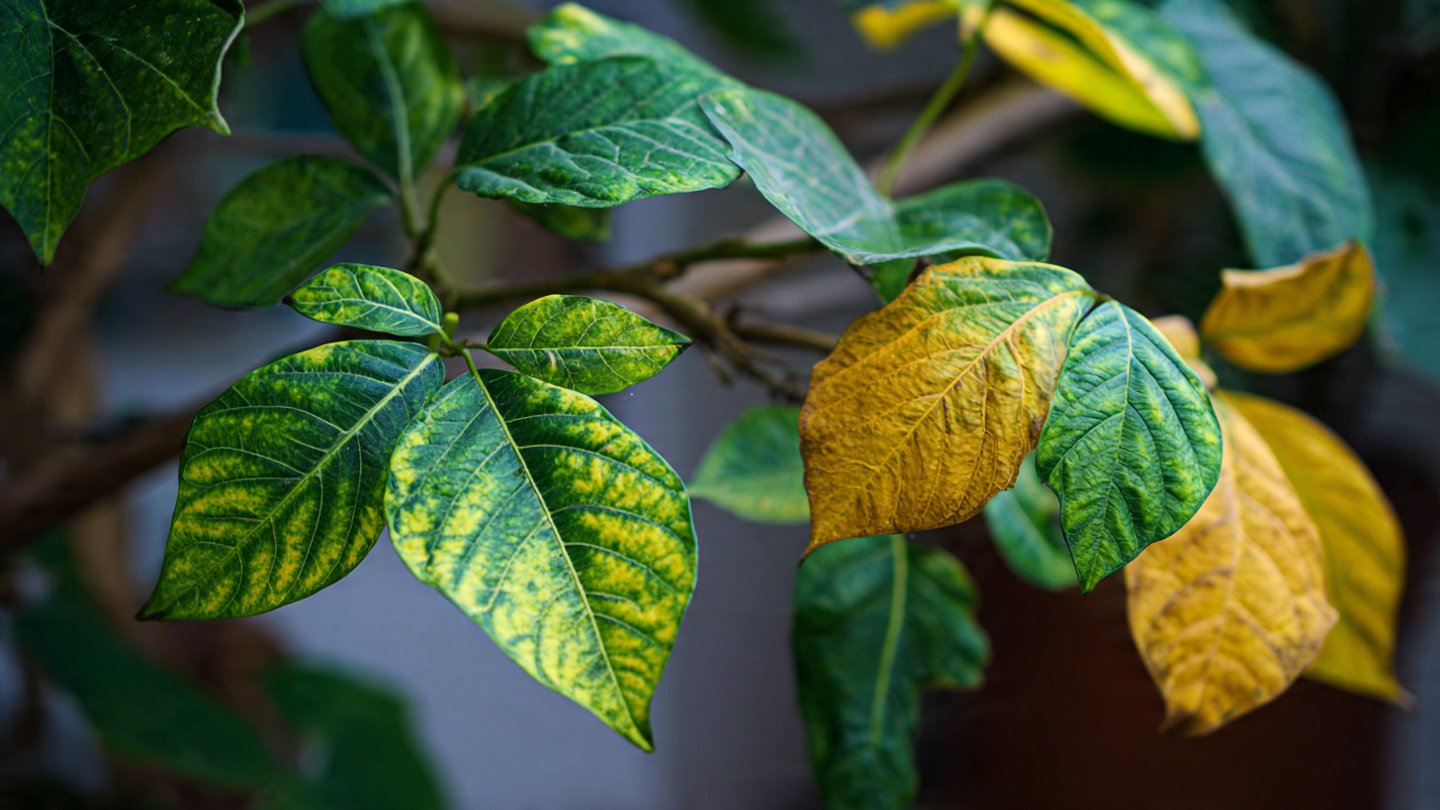
Understanding Hibiscus Leaf Color Changes
Hibiscus plants are cherished for their vibrant flowers and lush green foliage. However, it can be alarming when you notice the leaves turning yellow while the veins remain green. This phenomenon can indicate various underlying issues, from environmental stress to nutrient deficiencies. Understanding why this happens can help you restore your hibiscus to health and enhance its beauty.
1. Nutrient Deficiencies
One of the most common reasons for yellowing leaves in hibiscus is nutrient deficiencies, particularly nitrogen, magnesium, and iron. Nitrogen is vital for leaf development, and a lack of it will cause older leaves to yellow while younger leaves remain greener due to their continued chlorophyll production.
Magnesium and iron deficiencies can also lead to a condition called chlorosis, which is characterized by the yellowing of leaves while the veins remain green. This occurs because these nutrients are crucial for the formation of chlorophyll.
2. Watering Issues
Both overwatering and underwatering can stress hibiscus plants, leading to yellow leaves. Overwatering can saturate the soil, depriving the roots of oxygen and causing root rot. Conversely, underwatering will lead to drought stress, affecting the plant’s ability to take up nutrients. The result can be yellowing leaves with green veins as the plant struggles to sustain its health.
3. Environmental Stressors
Hibiscus plants are sensitive to changes in their environment. Factors such as temperature fluctuations, humidity levels, and exposure to direct sunlight can contribute to leaf yellowing. High temperatures can cause heat stress, especially if the plant is not acclimated to it. If your hibiscus is receiving excessive direct sunlight, the leaves may scorch, leading to yellowing.
4. Pests and Diseases
Insects such as aphids, spider mites, and whiteflies can suck the sap from hibiscus leaves, leading to discoloration. This stress can manifest as yellow leaves. Additionally, diseases such as fungal infections can cause deficiencies and stress that lead to yellowing. It is crucial to inspect your plant regularly for pests or signs of disease.
5. Soil Quality and pH Levels
The quality of the soil and its pH can significantly impact your hibiscus’s health. A pH that is too high or too low can hinder nutrient absorption, leading to deficiencies that manifest as yellow leaves. Ideally, hibiscus prefers slightly acidic soil with a pH of 6.0 to 6.5. Regularly testing your soil’s pH can help ensure it remains in the optimal range.
6. Seasonal Changes
As seasons change, hibiscus plants may enter dormancy, especially in colder climates. During this time, yellowing leaves can be expected, particularly if the plant receives insufficient light. If your hibiscus is indoors during winter, it may not get enough sunlight, causing leaves to yellow while veins remain green.
How to Remedy Yellowing Leaves
1. Proper Nutrition
To address nutrient deficiencies, consider using a balanced fertilizer. Look for one that contains micronutrients like magnesium and iron to prevent deficiencies. Be careful to follow the dosage instructions to avoid over-fertilization, which can also stress the plant.
2. Adjust Watering Practices
Check your watering routine. Ensure the soil has proper drainage and let it dry out slightly between watering. This balance helps prevent both overwatering and underwatering. A good rule of thumb is to water when the top inch of soil feels dry to the touch.
3. Manage Environmental Factors
Monitoring your plant’s environment is crucial. If your hibiscus is exposed to extreme heat or cold, consider relocating it to a more suitable spot. If it’s indoors, place it near a window that gets indirect sunlight but away from drafts. Maintaining a consistent humidity level can also benefit your plant.
4. Pest Control
If you suspect pests, regularly inspect your plant’s leaves and stems. Introducing natural predators, like ladybugs, can help manage aphid populations. Alternatively, insecticidal soaps can effectively eliminate many common pests without harming beneficial insects.
5. Soil Adjustment
If soil pH is an issue, consider amending it with sulfur to lower the pH or lime to raise it. Regularly testing your soil’s pH will help inform these adjustments. Additionally, ensure your soil has good drainage and is rich in organic material to support plant health.
Conclusion
Seeing your hibiscus leaves turn yellow while the veins remain green can be concerning, but it’s often a sign that the plant needs attention. By addressing potential nutrient deficiencies, adjusting watering practices, managing environmental stresses, monitoring for pests, and ensuring proper soil quality, you can help your hibiscus thrive. Regular care and observation will ensure that your hibiscus remains a beautiful and healthy houseplant or garden feature.
FAQs
1. Why are my hibiscus leaves turning yellow, but the veins are still green?
This is often a sign of nutrient deficiencies or environmental stress. The plant may be lacking essential nutrients like nitrogen, magnesium, or iron, affecting leaf color.
2. How can I fix yellowing leaves on my hibiscus plant?
Adjust your watering routine, check for pests, amend the soil with proper nutrients, and ensure the plant is in a suitable environment to remedy yellowing leaves.
3. Can yellow leaves recover?
Yes, with proper care and adjustments, many hibiscus plants can recover. However, severely damaged leaves may not return to green and will eventually drop off.
4. How often should I fertilize my hibiscus?
Typically, hibiscus should be fertilized every 4 to 6 weeks during the growing season (spring and summer). Fall and winter fertilization can be reduced or stopped as the plant enters dormancy.
5. What pests should I look for on my hibiscus?
Common pests include aphids, spider mites, and whiteflies. Regular inspections can help catch infestations early before they cause significant damage.