Introduction
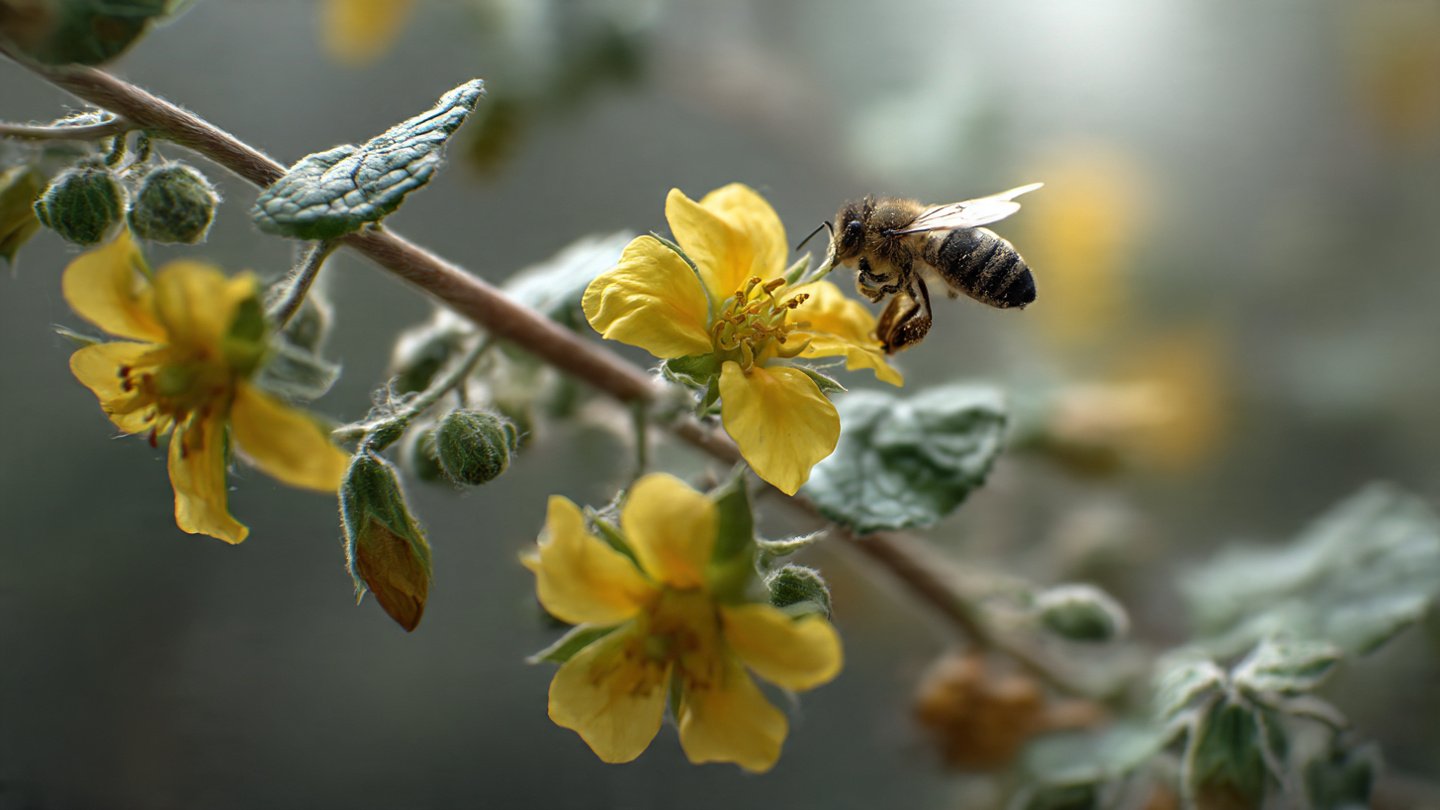
Flowers and honeybees share a unique relationship that has significant implications for the ecosystem. This fascinating interaction goes beyond mere pollination; it embodies a rich communication system that operates through various modes. Understanding how flowers “talk” to honeybees opens a window into the intricate web of life that sustains plant reproduction and food production. This article will delve into the amazing secrets behind this natural dialogue, exploring the signals that flowers emit, the behaviors of honeybees, and the ecological consequences of their interactions.
How Flowers Communicate
Flowers engage in a multi-faceted communication strategy to attract honeybees. This communication is primarily manifested through:
- Color: Bright, vivid colors are particularly attractive to bees. Flowers often develop specific pigments that allow different wavelengths of light to reflect, appealing to the color vision of honeybees. While humans see flowers in reds and yellows, bees are sensitive to ultraviolet light, causing certain flowers to appear even more vibrant to them.
- Scent: Odors play a crucial role in flower-bee interactions. Flowers produce various volatile compounds that emit alluring scents to attract pollinators. These scents can travel over long distances, making floral aromas essential for guiding bees to blooming plants.
- Nectar: The sweet reward of nectar is a critical incentive for honeybees. Flowers have evolved to produce nectar in specific quantities and sugar concentrations that are appealing to bees. The presence and accessibility of nectar can significantly influence the rate at which bees visit a particular flower.
The Role of Color Patterns
One of the most intriguing aspects of flower communication is the use of color patterns. Some flowers exhibit markings or patterns that are visible only in ultraviolet light. These patterns serve as visual cues or “landing guides” for bees, directing them toward the nectar source. The Heliconia flower is a prime example; it has distinct color patterns that are not discernible to the human eye but guide bees effectively.
Floral Scents and Their Impact
Floral scents are not just attractive but also informative. Researchers have identified various volatile organic compounds (VOCs) that flowers emit, which can signal different qualities. For instance, a bouquet of flowers releasing a specific fragrance can signal to honeybees that it is a “safe” place to feed, whereas unpredictable scents may deter them. The chemistry of floral scents is intricate, and various combinations can invoke stronger responses from bees.
The Role of Nectar and Pollen
Nectar is crucial for honeybees, providing them with the energy required for their activities. Conversely, pollen serves as a protein source, essential for brood rearing and hive health. Flowers vary in nectar and pollen composition, and honeybees learn to associate specific flowers with reliable food sources. High nectar production and accessible pollen can increase the likelihood of a flower being visited repeatedly by foraging bees.
Bee Behavior and Learning
Honeybees are remarkable learners, capable of remembering color patterns, scents, and the location of nectar sources. They use a sophisticated dance language to communicate with fellow hive members about the location of food. The waggle dance, for example, provides information about distance and direction relative to the sun. As bees accumulate experience, they become adept at recognizing which flowers are the best sources of nectar and pollen.
Mutual Benefit: Flowers and Bees
The relationship between flowers and honeybees is a classic example of mutualism, where both parties benefit from the interaction. Flowers rely on honeybees for cross-pollination, which increases genetic diversity and ensures more robust offspring. In return, honeybees obtain the nutritional resources they need for their survival and reproduction. This interconnectedness highlights the importance of preserving habitats rich in flowering plants and pollinators.
Impact of Environmental Changes
In recent decades, environmental changes have posed threats to the delicate relationship between flowers and honeybees. Factors such as habitat loss, pesticide use, and climate change disrupt local ecosystems. The decline in flower populations can adversely affect honeybee foraging patterns, leading to diminished hive health and reduced pollination services. Efforts to promote biodiversity and sustainable agricultural practices can help reverse these trends and sustain both flowers and honeybees.
Conclusion
The communication between flowers and honeybees is a remarkable example of the complexity and interconnectedness of nature. Through color, scent, and nectar, flowers convey messages that guide honeybees, while bees play a vital role in the reproductive success of flowering plants. Protecting this relationship is essential for sustaining biodiversity and ensuring a stable food supply. As we continue to learn about these fascinating interactions, the importance of environmental stewardship becomes increasingly clear. By appreciating the amazing secrets behind how flowers talk to honeybees, we can foster a more harmonious relationship with the natural world.
FAQs
What is the main way flowers attract honeybees?
Flowers primarily attract honeybees through their color, scent, and the availability of nectar and pollen.
Do honeybees see colors the same way humans do?
No, honeybees have different vision capabilities; they can see ultraviolet light, which makes some flowers appear more vibrant than to the human eye.
Why are scents important in the relationship between flowers and honeybees?
Scent helps honeybees locate flowers from a distance and can communicate the quality and safety of the food source.
How do honeybees communicate the location of flowers to others in the hive?
Honeybees use a dance language, particularly the waggle dance, to convey information about the distance and direction of food sources to other bees in the hive.
What threats do honeybees currently face?
Honeybees face threats such as habitat loss, pesticide exposure, climate change, and disease, which can disrupt their populations and their essential role in pollination.