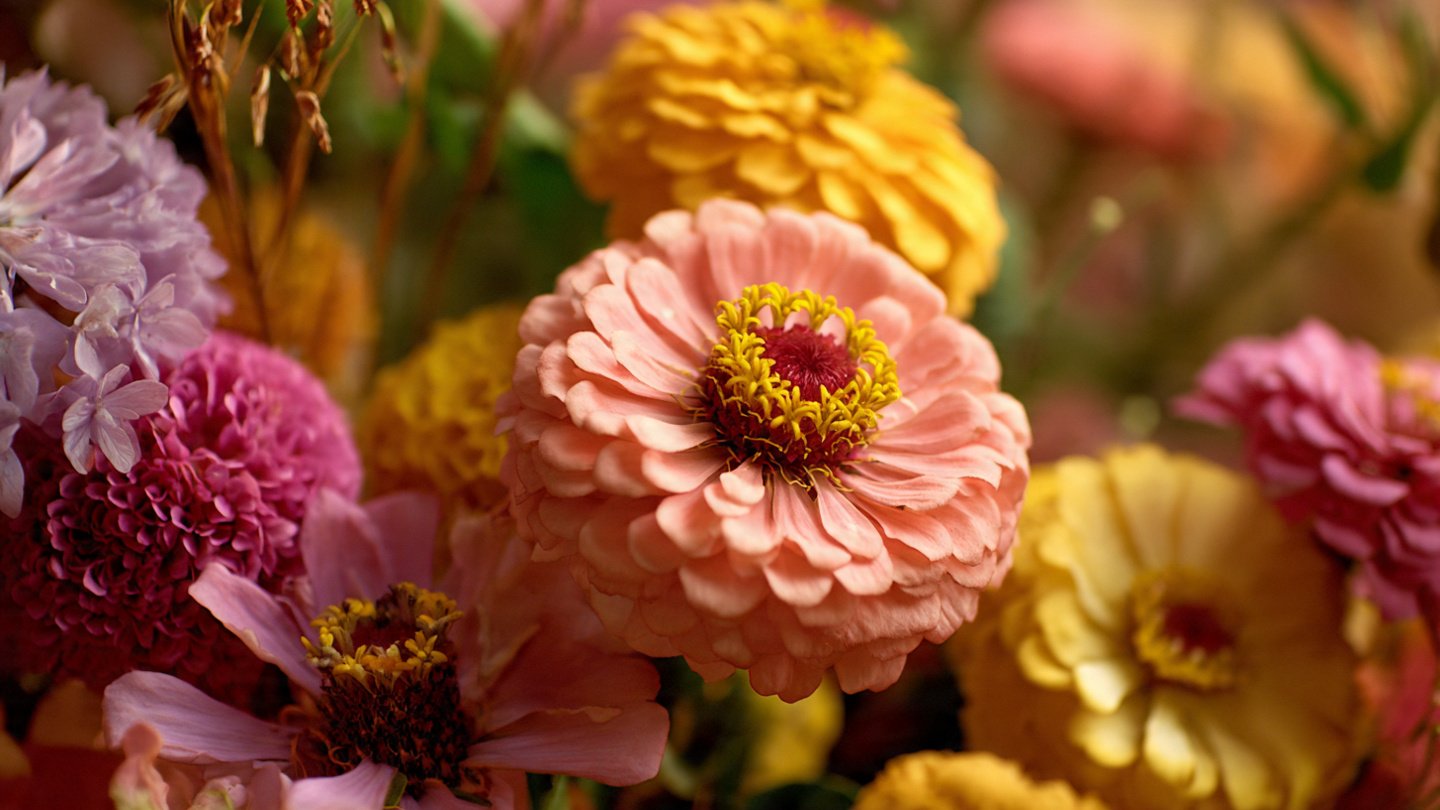
Deadheading is a common gardening practice that involves removing spent flowers to encourage more blooms and maintain the plant’s appearance. While this technique works wonders for many flowering plants, there are specific varieties that can be adversely affected by deadheading. Understanding the principles and practices behind deadheading can help you cultivate a thriving garden, avoiding potential pitfalls. In this article, we will delve into the reasons why you should avoid deadheading certain flower varieties, providing insights that will benefit novice and seasoned gardeners alike.
Understanding the Basics of Deadheading
Deadheading involves cutting off faded or wilting flowers from a plant. The assumption is that by doing so, the plant will redirect its energy towards producing new blooms, rather than expending its resources on seed production. While this is true for many annuals and some perennials, some plants do not respond well to this practice.
Flower Varieties to Avoid Deadheading
1. Perennials that Rely on Seed Production
Certain perennials depend on seed production for their growth and survival. These plants often require time to set seeds, and deadheading can disrupt this natural process.
- Echinacea (Coneflower): This robust perennial not only attracts beneficial insects but also produces seeds vital for the plant’s lifecycle. By avoiding deadheading, you allow Echinacea to self-seed, promoting natural propagation.
- Rudbeckia (Black-eyed Susan): Similar to Echinacea, Rudbeckia benefits from its seed production. Allowing the flowers to go to seed can help create new plants the following season and provide food for birds.
2. Biennials and Their Unique Lifecycles
Biennials, such as foxgloves and hollyhocks, typically take two years to complete their lifecycle. In the first year, they grow foliage, and in the second year, they flower and produce seeds. Deadheading these plants can lead to weakened growth and poor flowering the following year.
- Digitalis (Foxglove): Deadheading can prevent foxgloves from developing seeds, which are essential for their lifecycle. Allowing the flower to mature and set seeds ensures the continuation of this beautiful plant.
- Alyssum (Sweet Alyssum): While often treated as an annual, sweet alyssum is technically a biennial. Deadheading can disrupt its flowering cycle, preventing the second year of blooms.
3. Plants with Unique Aesthetic Qualities
Some plants are valued for their unique aesthetic qualities that may involve seed heads or faded blooms that add texture and interest to the garden.
- Allium (Ornamental Onion): After flowering, the seed heads of allium provide visual interest and can be an integral part of the plant’s overall appeal. Deadheading could remove these attractive features.
- Astilbe: The feathery seed heads of astilbe provide winter interest and texture in the garden. Avoiding deadheading allows for a striking visual effect throughout the colder months.
4. Plants that Benefit from Natural Pollination
Certain flowers attract pollinators and rely on them for cross-pollination. For these varieties, deadheading can hinder their ability to set seeds and produce fruit.
- Buddleia (Butterfly Bush): This plant is renowned for attracting butterflies and other pollinators. Deadheading can disrupt pollination and prevent the bush from producing seeds that could help support local butterfly populations.
- Johny Jump Up (Viola Tricolor): These charming flowers thrive on self-seeding. Deadheading can inhibit their natural seed production, which impacts future blooms.
The Negative Effects of Deadheading
In addition to the direct impact on specific flower varieties, deadheading can have broader consequences for the garden ecosystem. When we deadhead indiscriminately, we risk:
- Disruption of Biodiversity: Allowing plants to seed can support wildlife, from birds to beneficial insects. A garden that is vibrant with various plants helps maintain ecological balance.
- Increased Maintenance: Plants that are hindered by deadheading may require additional care or may not perform as well, necessitating more time and resources spent in the garden.
Alternative Practices to Consider
Instead of deadheading, consider alternative practices that may align better with the needs of your specific flower varieties:
- Selective Pruning: Instead of removing entire blooms, prune selectively to maintain the plant’s health without disrupting its lifecycle.
- Companion Planting: Incorporating a variety of blooming plants may enhance biodiversity and support pollinators, leading to a more flourishing garden.
Conclusion
While deadheading is a helpful gardening practice for many flower varieties, it is essential to recognize the plants that benefit from allowing flowers to go to seed. By understanding the reproductive cycles and needs of specific flower varieties—from perennials to biennials and those that provide aesthetic value—you can foster a healthier and more vibrant garden. Remember that gardening is about balance; minimizing unnecessary disruption allows you to cultivate a space that not only flourishes but supports local ecosystems as well. Make informed decisions when it comes to deadheading, and you will achieve better results, ensuring continued beauty and vitality in your garden.
FAQs
1. What is deadheading, and why is it done?
Deadheading is the process of removing spent flowers from plants. It is done to encourage more blooms and to improve the plant’s overall appearance.
2. Can deadheading be beneficial for any types of flowers?
Yes, many annuals and some perennials benefit from deadheading, as it encourages them to produce more blooms and extend their flowering period.
3. How do I know which flowers I should avoid deadheading?
Researching the specific needs of your plants is essential. Typically, if a plant relies on seed production or has aesthetic qualities that are enhanced by leaving spent flowers, it may not benefit from deadheading.
4. Are there any signs that a plant should not be deadheaded?
Signs include the presence of seed pods forming, the plant’s known reproductive behaviors, or specific aesthetic traits that are enhanced by leaving spent flowers intact.
5. What are some alternatives to deadheading?
Alternatives include selective pruning, allowing plants to go to seed, and using companion planting to create biodiversity in your garden.