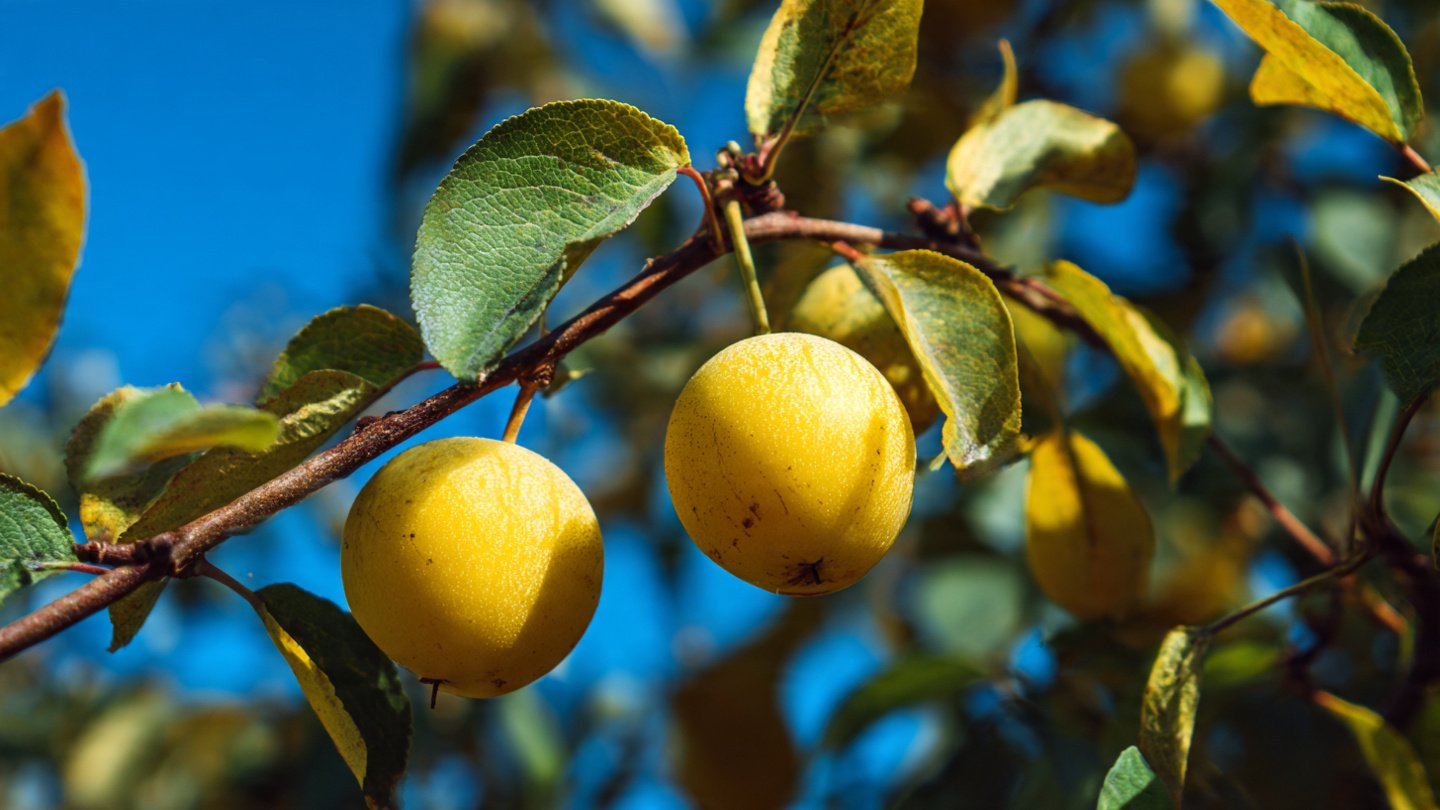
When you see bright yellow leaves on your fruit-bearing plants, it can be alarming. Many gardeners are quick to assume that disease or pests might be to blame, but there may be a surprisingly simple explanation tied to environmental factors. In this article, we will uncover the various causes behind the bright yellow leaves and guide you on how you can address and resolve the issue.
The Basics of Leaf Coloration
The green color of leaves comes primarily from chlorophyll, the pigment responsible for photosynthesis. When a plant experiences stress or nutrient deficiencies, chlorophyll production can diminish, leading to various shades of yellow in the leaves, a condition known as chlorosis. Understanding the underlying factors can help gardeners remedy the situation effectively.
Common Causes of Yellow Leaves
- Nutrient Deficiency: One of the most common causes of yellow leaves in fruit plants is a deficiency in essential nutrients, particularly nitrogen, iron, magnesium, and manganese.
- Overwatering: Excess water can lead to poorly aerated soil and root rot, inhibiting the plant’s ability to absorb nutrients.
- Underwatering: Conversely, too little water can stress the plant, causing leaves to yellow as well.
- Soil pH Imbalance: The pH level of the soil can affect nutrient absorption. If the soil is too acidic or alkaline, it may lock out essential nutrients even if they are present.
- Temperature Stress: Extreme weather conditions, such as sudden cold snaps in spring or excessive heat, can stress plants, causing yellow leaves.
- Sun Exposure: While many fruit plants thrive in sunlight, too much direct sunlight can scorch leaves, leading to yellowing.
- Pest Infestation: Pests such as aphids or spider mites can damage leaves, leading to discoloration.
- Diseases: Fungal or bacterial infections may also result in yellow leaves, often accompanied by additional symptoms.
Identifying the Cause
To address yellowing leaves effectively, it’s crucial to identify the cause accurately. Here are some steps you can take:
1. Examine the Soil
Check for compaction or poor drainage if you’re dealing with overwatering. Conduct a soil test to analyze nutrient levels and pH balance. Correcting these factors can make a significant difference in plant health.
2. Assess Watering Practices
Evaluate your watering schedule. For most fruit plants, deep watering once a week is better than shallow watering often. Ensure the pots or garden beds have proper drainage.
3. Investigate Sunlight Exposure
Look at the amount of sunlight your plants receive. If they are in a location that gets too much direct sun, consider moving them or providing shade during the hottest part of the day.
4. Look for Pests
Inspect the undersides of leaves and stems for any signs of pests. If you find any unwanted visitors, treat the plants with natural pesticides or insecticidal soap.
5. Seek Professional Help if Needed
If you suspect that diseases are to blame but are unsure how to handle them, consult a local extension office or a gardening expert. They will assist in diagnosis and treatment options.
Mitigating the Impact
Once you’ve identified the underlying issues causing the bright yellow leaves on your fruit plants, you can take practical steps to mitigate the problem.
Nutrient Management
If nutrient deficiency is identified, consider using organic fertilizers that offer balanced nutrition tailored for fruit plants. Coffee grounds, compost, and well-rotted manure are beneficial for nitrogen and micronutrients.
Improving Watering Techniques
Implement correct watering practices, allowing the soil to dry out slightly between watering sessions. Ensure that containers have proper drainage to prevent water from accumulating.
Adjusting Environmental Conditions
Consider adjusting environmental conditions, such as relocating the plants to a spot with optimal sunlight. Adding mulch can help regulate soil temperature and moisture levels.
Preventative Measures for the Future
To prevent yellow leaves from becoming a recurring issue, it’s essential to adopt preventative measures. These include:
- Regular Soil Testing: Assess nutrient and pH values regularly to maintain optimal growing conditions.
- Consistent Watering Regimen: Create a consistent watering routine that factors in the specific needs of your plant and prevailing weather conditions.
- Enhancing Soil Quality: Regularly amend your soil with organic matter to maintain nutrient levels and improve soil health.
- Monitoring for Pests: Regularly inspect plants for pests or signs of disease to address issues before they escalate.
Conclusion
Bright yellow leaves on fruit plants can serve as a warning sign, indicating underlying issues that, if left unchecked, could impact the plant’s health and fruit production. By understanding the various factors contributing to chlorosis and taking specific actions, gardeners can turn their plants around, ensuring lush greenery and a bountiful harvest. With careful observation and timely interventions, you can prevent yellow leaves from affecting your fruit plants in the future.
FAQs
1. Is it normal for fruit leaves to turn yellow in the fall?
Yes, it is normal for leaves to turn yellow in the fall as part of the natural seasonal cycle. However, if yellowing occurs during the growing season, further investigation is needed.
2. Can yellow leaves indicate over-fertilization?
Yes, over-fertilization can cause leaf burn, leading to yellowing. Symptoms often include crisp, brown edges along the leaves.
3. How can I improve soil drainage?
Improving drainage can be achieved by amending the soil with organic matter like compost or peat, creating raised beds, or using containers with proper drainage holes.
4. What is the best way to treat pests on my fruit plants?
Natural methods like introducing beneficial insects, using neem oil, or insecticidal soap are effective in treating pests without harming the plant or the surrounding ecosystem.
5. Can yellow leaves recover?
Yes, if the underlying issue is addressed, yellowing leaves may recover, but it can take time. New growth will typically emerge healthier if the plant’s overall condition improves.