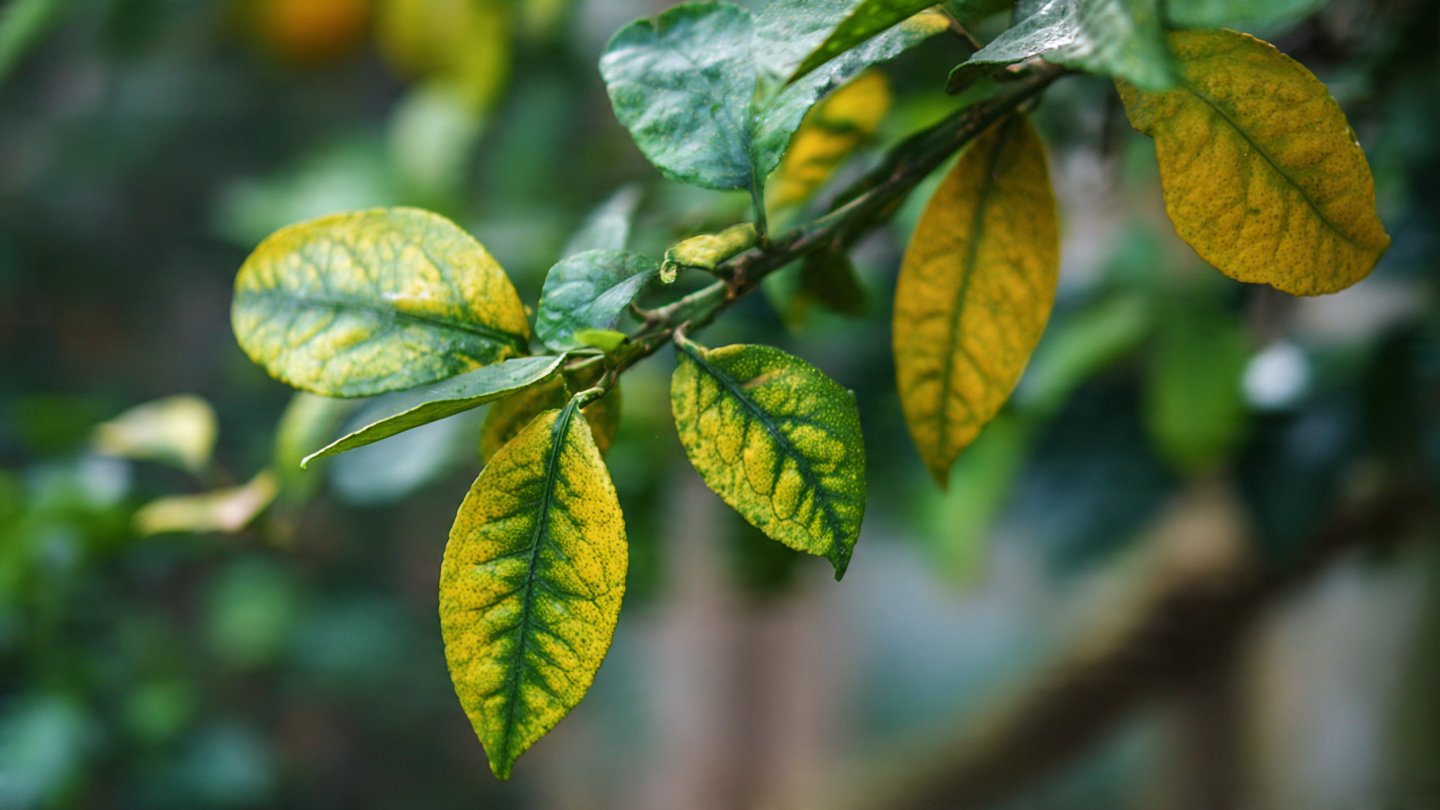
Why Are Your Citrus Tree Leaves Turning Yellow with Green Veins?
Citrus trees are beloved for their fragrant blossoms and abundant fruit. However, when the leaves begin to show signs of distress, particularly turning yellow while retaining their green veins, it can be a cause for concern for gardeners. Understanding this condition is vital for maintaining the health of your citrus tree. In this article, we will explore the various reasons behind yellowing leaves with green veins, the implications of these symptoms, and how to remedy the situation.
Understanding Leaf Yellowing in Citrus Trees
The phenomenon of yellow leaves with green veins is known as chlorosis. In chlorosis, the production of chlorophyll, which gives leaves their green color, is impaired. As a result, the leaves display a yellow hue but often retain their green veins due to localized chlorophyll production. This condition can be a sign of several underlying issues, ranging from nutrient deficiencies to environmental stresses.
Common Causes of Chlorosis in Citrus Trees
-
Nutrient Deficiencies
- Iron Deficiency: One of the most common reasons for yellowing leaves is a lack of iron (Fe). Iron is essential for the production of chlorophyll. When a citrus tree lacks iron, the younger leaves typically turn yellow first, while the veins remain green.
- Magnesium Deficiency: Magnesium (Mg) is another critical nutrient. Its deficiency can cause older leaves to turn yellow, particularly between the veins, resulting in striking yellow-green foliage.
- Nitrogen Deficiency: Nitrogen (N) is crucial for overall plant growth. A nitrogen deficiency may cause older leaves to yellow and drop while new growth may appear green but weak.
-
Soil pH Imbalance
The pH of the soil plays a significant role in nutrient availability. Citrus trees prefer a slightly acidic to neutral pH (around 6.0 to 7.0). If the soil becomes too alkaline, essential nutrients, especially iron, become less available, contributing to chlorosis. -
Water Stress
Both overwatering and underwatering can lead to yellowing leaves. Overwatering suffocates roots, leading to root rot and a decreased ability to uptake nutrients. Conversely, underwatering can starve the tree, stressing it and resulting in yellow leaves. -
Pests and Diseases
Infestations and diseases can lead to chlorosis as well. Pests such as aphids and spider mites can damage leaves by sucking the sap, leading to discoloration. Additionally, fungal infections may interfere with nutrient transport within the tree. -
Environmental Stressors
Factors such as temperature extremes, drought, and poor air circulation can stress citrus trees, leading to chlorosis. High temperatures can hinder nutrient uptake, while cold weather can damage root systems.
Identifying the Problem
To accurately diagnose the cause of chlorosis in your citrus tree, begin with an observation of the overall condition of the tree. Consider the following:
-
Leaf Age: Are the yellow leaves new (younger) or old? Younger leaves usually indicate a nutrient deficiency, while older leaves may point to larger issues like disease or water stress.
-
Location: Is your tree exposed to direct sunlight or shaded areas? Too much sun or too little can both result in stress.
-
Soil Condition: Check the soil moisture and pH. A good pH range for citrus trees is between 6.0 to 7.0. Use a pH test kit to assess the soil condition.
-
Pest Inspection: Look closely at the leaves for signs of pests or disease. Small pests can often be detected visually or through sticky residue left on leaves.
-
Watering Routine: Assess your watering practices. Over or under-watering can both contribute to yellowing.
Corrective Measures
Once you have identified the likely cause of chlorosis, corrective measures can be taken:
-
Adjust Nutrient Levels:
- Iron Deficiency: Use chelated iron supplements that can be readily absorbed by the plant. Apply according to the product guidelines and repeat if necessary.
- Magnesium Supplementation: Epsom salt (magnesium sulfate) can be an effective, easy source of magnesium. A typical ratio is 1 tablespoon per gallon of water, applied every month during the growing season.
- Nitrogen Fertilizers: Use a balanced or nitrogen-rich fertilizer to ensure that your tree is receiving adequate nitrogen.
-
Soil pH Adjustment:
- If you’ve identified that your soil is too alkaline, sulfur or organic matter can help acidify the soil. Follow local guidelines for appropriate amounts.
-
Water Management:
- Ensure that you are watering correctly—neither too much nor too little. The top inch of soil should be dry before watering again for most citrus trees.
-
Pest Control:
- If pests are identified, use insecticidal soap or neem oil as organic solutions to manage infestations, always following label directions for safe use.
-
Environmental Adjustments:
- If temperature extremes are a concern, consider protective measures such as shade cloth during extreme heat or planting in sheltered areas. Ensure adequate air circulation to prevent fungal issues.
Long-Term Maintenance Strategy
To promote long-term health and prevent yellowing leaves, consider adopting a holistic approach to citrus tree care:
-
Regular Fertilizing: Implement a regular fertilization schedule that includes slow-release fertilizers tailored for citrus. This not only provides necessary nutrients but also promotes strong growth.
-
Compost and Mulch: Applying organic mulch can help retain moisture and regulate soil temperature. Additionally, compost adds beneficial microorganisms and improves soil structure.
-
Routine Inspections: Conduct regular checks for pests and diseases. Early detection is often critical for effective intervention.
-
Proper Pruning: Prune dead or diseased branches to improve air circulation and reduce potential disease reservoirs.
-
Watering Practices: Consider drip irrigation systems that provide consistent moisture without the risk of overwatering, especially in drought-prone areas.
Conclusion
Yellow leaves with green veins on citrus trees signal a need for attention, and identifying the cause promptly is crucial in restoring the tree’s health. Whether due to nutrient deficiencies, water stress, or environmental factors, addressing the issue with the appropriate corrective measures will help ensure that your citrus tree remains vigorous and fruitful. Regular care and monitoring will not only prevent chlorosis but also promote bountiful harvests for years to come. By becoming attuned to the needs of your citrus tree, you can cultivate a garden that flourishes with lush greenery and vibrant, delicious fruit.