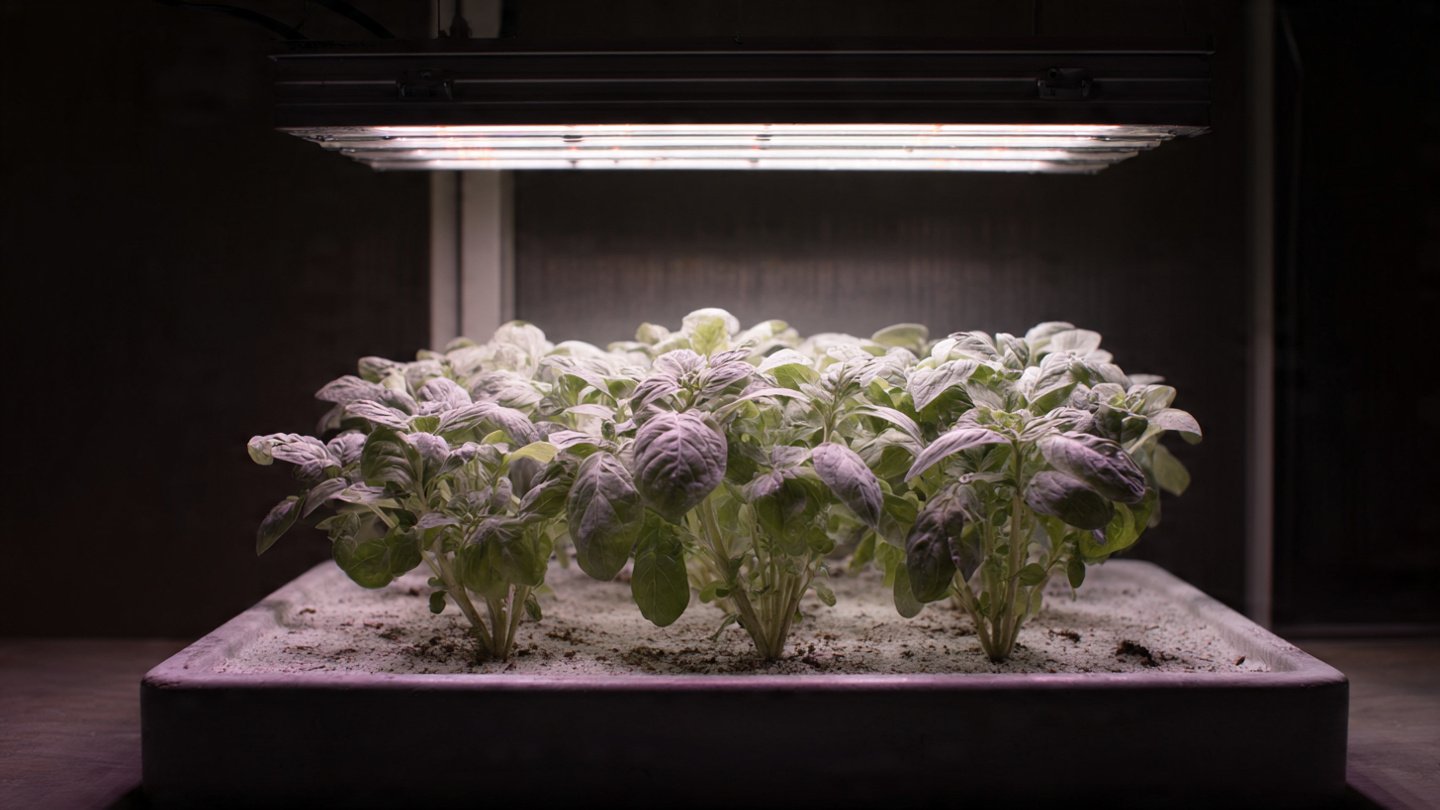
Propagation stations have become increasingly popular among plant enthusiasts. These setups, which often involve water propagation or growing plants from cuttings, rely on certain environmental conditions to thrive. But what happens when the power goes out? Understanding the potential impacts can prepare you for these unexpected situations.
The Function of a Propagation Station
At its core, a propagation station provides the ideal environment for plants to take root. This often involves artificial light, a specific temperature range, and regulated humidity. Propagation stations typically utilize:
- Grow Lights: Essential for providing the necessary light spectrum for photosynthesis.
- Heating Mats: Used to maintain the soil temperature at an optimal level for rooting.
- Humidity Domes: Help in maintaining moisture levels, especially for cuttings and seedlings.
When the power goes out, the efficiency of these devices is compromised, impacting your propagation station.
Immediate Effects of Power Outage
Loss of Light
The first and most noticeable impact of a power outage is the loss of light. For plants that thrive under grow lights, immediate darkness can be detrimental. Without the light needed for photosynthesis, the plants might start to suffer within hours, particularly if they don’t receive natural light during this period.
Temperature Changes
If you are using heating mats, a power outage can lead to a rapid decrease in soil temperature. Cold soil can slow down root development and inhibit growth. Moreover, if you live in a climate where temperatures can drop significantly, prolonged outages could lead to root rot from overly cold conditions.
Humidity Levels
Humidity domes rely on a controlled environment to keep moisture levels adequate. When power is lost, humidity can rapidly decrease, leading to dehydration of cuttings and seedlings. This is particularly critical in the initial stages of propagation when plants are most vulnerable.
Potential Consequences of Power Loss
Short-term Effects
In the first few hours after a power outage, the plants may start to show signs of stress:
- Leaves may wilt due to lack of moisture.
- Color deterioration might occur as photosynthesis halts.
- Roots may not develop optimally due to temperature changes.
Long-term Effects
If the outage lasts longer than several hours, long-term effects can occur:
- Cuttings that haven’t rooted may die off, especially if the drying out is too severe.
- Existing root systems could be damaged, leading to potential plant failure.
- Pests and pathogens could establish themselves in the stressed conditions.
What You Can Do Before, During, and After a Power Outage
Before the Outage
Preparation is vital. Consider these proactive steps:
- Invest in a backup generator or uninterruptible power supply (UPS).
- Choose a location for your propagation station with access to natural light.
- Group plants together to create a mini-greenhouse effect that retains humidity.
During the Outage
While the power is out, you can take these steps to mitigate damage:
- Move your propagation station closer to windows to maximize natural light.
- Cover the plants with plastic or a wet cloth to retain moisture and humidity.
- Avoid opening the humidity dome frequently as it can lead to humidity loss.
After the Outage
Once power is restored, check on the health of your plants:
- Assess the moisture levels and water if necessary.
- Inspect for any signs of damage or disease.
- Gradually reintroduce artificial light to avoid shocking the plants.
Common Myths About Power Outages in Propagation Stations
Myth 1: All Plants Die Without Power
Many plants can survive short spells of lower light and temperature. It’s only prolonged outages that pose real danger.
Myth 2: Adding Water Will Save the Plants
While hydration is crucial, adding too much water without light can lead to root rot, particularly in cuttings that haven’t established proper root systems.
Myth 3: You Can’t Save Your Plants Once Power is Restored
With correct care after a power outage, many plants can recover. Inspecting and adjusting care for stressed plants is essential.
Conclusion
Understanding what happens to your propagation station during a power outage can help mitigate risks and protect your plants. By anticipating potential problems and having proactive and reactive measures in place, you can minimize loss and ensure your plants have the best chance of thriving. Always remember that preparedness is key, and being aware of your plants’ needs will make recovery easier.
FAQs
1. How long can plants survive without light?
Most plants can survive a couple of days without light, but signs of stress will appear after about 24 hours, particularly for light-dependent species.
2. Can I use candles or other heat sources during the outage?
It’s not recommended as they can bring risks of fire and excessive heat. Instead, focus on natural light sources.
3. What is the best way to reintroduce light after an outage?
Gradually reintroduce light, starting with a shorter duration to avoid shocking your plants. Extend the light duration gradually as they recover.
4. Should I trim any damaged leaves after recovery?
Yes, trimming away any dead or severely damaged leaves can help the plant redirect energy to healthy growth.