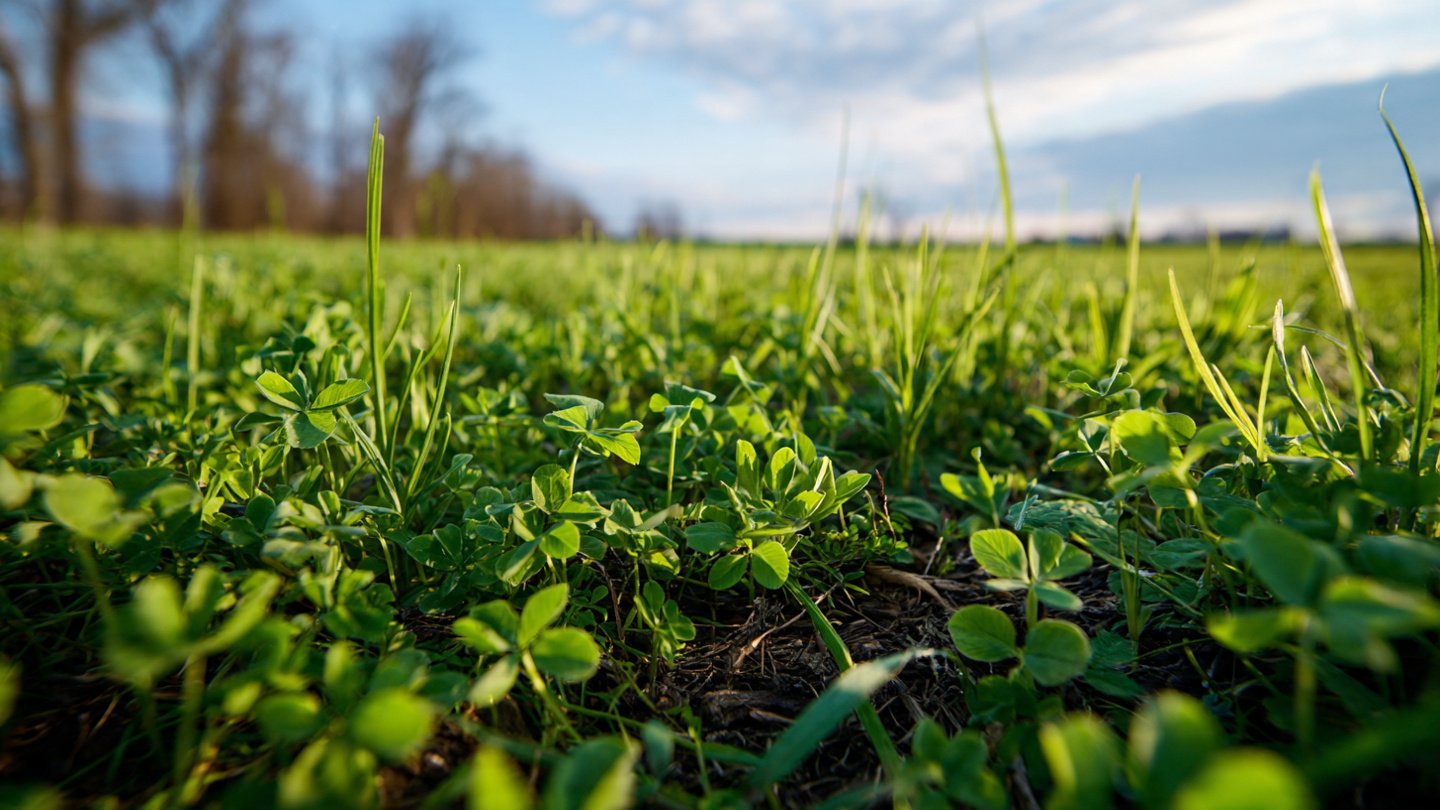
Soil health is a cornerstone of sustainable agriculture and plays a critical role in the productivity of crops. Among various practices to enhance soil quality, planting cover crops has become increasingly popular. Cover crops, which are non-harvested crops planted primarily to manage soil health, provide numerous benefits that can transform your soil and agricultural practices.
What Are Cover Crops?
Cover crops are usually planted during off-seasons when the main crops are not in the field. They include varieties such as clover, rye, vetch, and buckwheat. These plants are not meant for harvest but serve multiple agricultural purposes. The primary objective is to improve soil health by reducing erosion, improving nutrient availability, and enhancing soil structure.
The Benefits of Planting Cover Crops
Incorporating cover crops into your agricultural practice can yield an array of benefits that are critical for soil health:
1. Erosion Control
Soil erosion is a significant concern for farmers, often leading to the loss of valuable topsoil. Cover crops create a protective cover over the soil, reducing the speed of wind and water that can erode soil. Their root systems help bind the soil, keeping it intact and thus maintaining soil structure.
2. Improved Soil Structure
The root systems of cover crops penetrate deep into the soil, creating channels that enhance aeration and drainage. This improves the soil structure, allowing for better water infiltration and root growth for main crops. When cover crops decompose, they contribute organic matter, which further enhances soil structure.
3. Nutrient Cycling
Cover crops are excellent for nutrient cycling. Certain species, such as legumes, fix nitrogen in the soil, making it available for subsequent crops. This natural fertilization alleviates the need for synthetic fertilizers, which can be harmful to the environment. Moreover, cover crops reduce nutrient leaching, ensuring that nutrients stay in the soil where they’re needed.
4. Weed Suppression
By covering the ground and competing for sunlight and nutrients, cover crops can suppress weed growth effectively. A thick canopy of cover crops minimizes the space available for weeds to establish themselves, leading to a reduced need for herbicides and fostering a healthier ecosystem.
5. Increased Biodiversity
Diversity is a key aspect of healthy ecosystems. Planting cover crops increases biodiversity in the agricultural landscape. This diversification of plant life attracts beneficial microorganisms, insects, and other wildlife, contributing to a richer soil ecosystem and better pollination for main crops.
How to Choose the Right Cover Crops
Selecting appropriate cover crops is crucial for maximizing the benefits. Factors to consider when choosing cover crops include:
- Climate: Different species thrive in different climates. Choose cover crops adapted to your local conditions, such as temperature and rainfall.
- Soil Type: Different cover crops have varying abilities to grow in various soil types. Assess what best suits your soil.
- Purpose: Determine the main goals for planting cover crops—whether it be erosion control, nutrient fixation, or weed suppression.
- Crop Rotation: Consider how cover crops will fit into your crop rotation system to ensure they benefit subsequent cash crops.
Challenges and Considerations
While the benefits of cover crops are clear, there are challenges to consider:
1. Management Complexity
Integrating cover crops into existing practices may require additional planning and management. Farmers need to assess planting and termination timings to ensure that cover crops do not compete with cash crops or become a nuisance.
2. Initial Costs
There can be upfront costs associated with purchasing seeds and potentially additional equipment for planting. However, the long-term savings on fertilizers, herbicides, and the increased yield often outweigh these initial investments.
3. Weather Dependency
Successful establishment of cover crops can be heavily influenced by weather conditions. Farmers need to carefully choose planting times to avoid adverse weather that could hinder growth.
Case Studies and Real-World Examples
Numerous farmers have successfully implemented cover cropping systems, leading to remarkable transformations in soil health:
Case Study 1: Midwestern Corn Belt
A farmer in the Midwest reported a significant decrease in soil erosion after incorporating cover crops into their rotation. The soil organic matter increased by 1% over five years, enhancing the soil’s water retention capabilities.
Case Study 2: Sustainable Vegetable Farming
A vegetable farmer used a mixture of clover and rye as cover crops to improve soil structure and fertility. This led to healthier plants and increased yields of 20% in the subsequent lettuce crop.
Conclusion
Planting cover crops is an effective strategy for improving soil health and fostering sustainable agricultural practices. The benefits, ranging from reduced erosion to improved soil structure and increased biodiversity, illustrate the transformative potential of cover crops. While challenges exist, such as management complexity and upfront costs, the long-term rewards for both farmers and the environment are substantial. By investing in cover cropping systems, farmers can contribute to a healthier ecosystem while enhancing the sustainability of their agricultural practices.
FAQs
1. What are the best cover crops for my area?
The best cover crops depend on your local climate, soil type, and the specific benefits you are seeking. Consulting local agricultural extensions can provide tailored recommendations.
2. When is the best time to plant cover crops?
Cover crops are typically planted after the main crop harvest and before winter or during the early spring. Timing can vary based on the crop type and expected frost dates, so it’s crucial to consider local growing seasons.
3. Can cover crops be harmful?
While generally beneficial, poorly chosen cover crops can lead to competition with cash crops or attract pests. Careful planning is essential to maximize benefits and minimize risks.
4. How long should cover crops be planted?
Cover crops are usually grown for a few months to a full growing season depending on the species, purpose, and climate conditions prior to planting cash crops.
5. Are there financial incentives for planting cover crops?
Yes, many governmental and environmental organizations offer financial assistance or incentives for farmers who practice sustainable agriculture, including cover cropping. It’s advisable to explore available programs in your area.