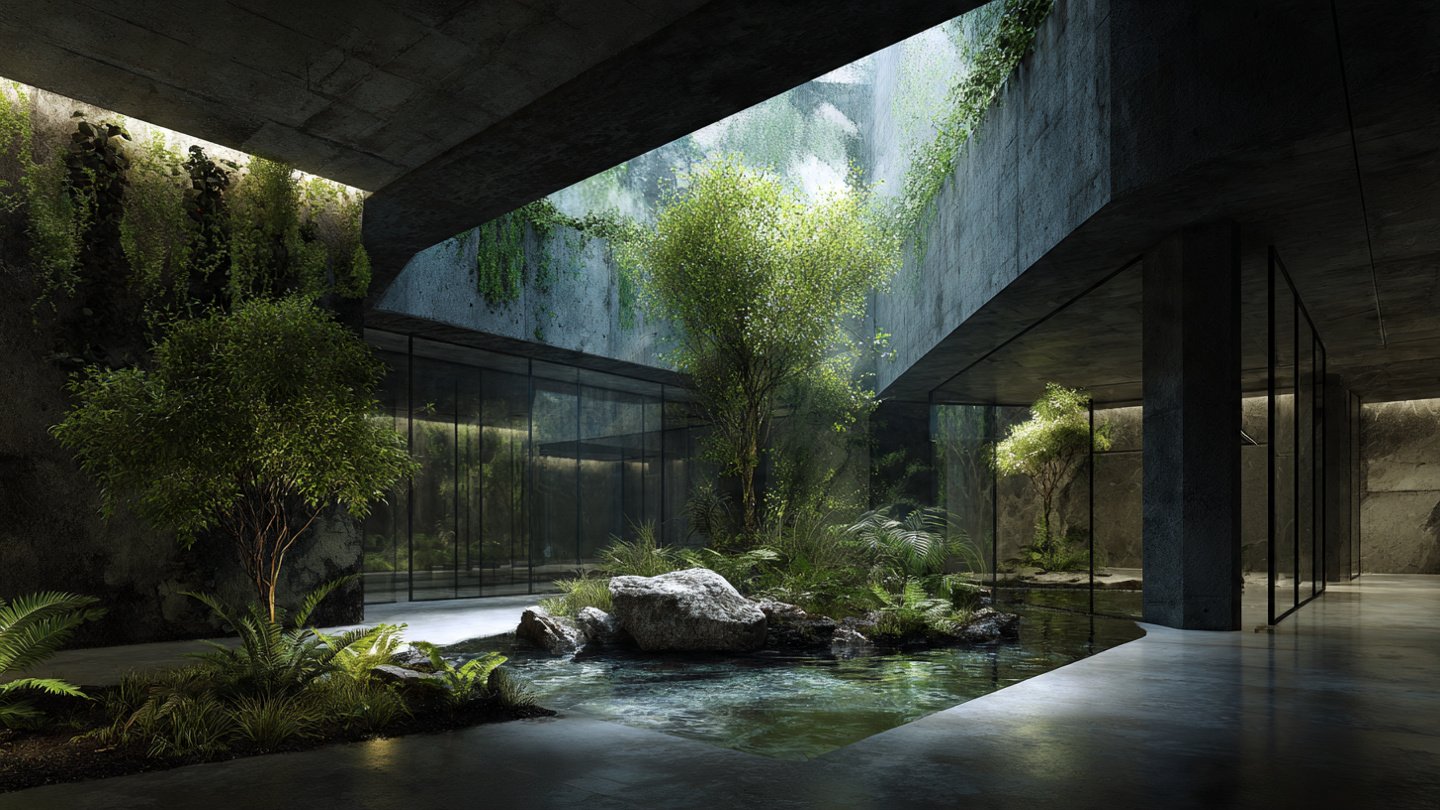
Urban environments are often characterized by their stark, imposing architectural elements—sharp angles, rigid lines, and hard surfaces. While these designs reflect modernity and functionality, they can create environments that feel cold and uninviting. Plants offer a solution to soften these harsh architectural lines and transform spaces into welcoming areas. This article explores how incorporating greenery can create harmony between architecture and nature.
The Role of Nature in Urban Spaces
As cities grow, there is an increasing awareness of the importance of integrating nature within urban planning. Studies have demonstrated that natural elements contribute significantly to the well-being of residents. Psychological benefits, such as reduced stress and improved mood, are associated with green spaces. Nature instills a sense of calm and relaxation, which is particularly needed in bustling urban environments.
Softening Hard Lines
The high-rise buildings and concrete structures can create a visual cacophony, characterized by sharp lines and rigid frames. Plants serve to soften these edges. Vertical gardens, window boxes, and strategically placed planters can break up the monotony of hard edges and introduce curves, textures, and colors.
- Vertical Gardens: These are often utilized in urban settings where ground space is limited. By cultivating plants upwards on walls, they introduce life and vibrancy, drawing the eye away from the imposing architectural features.
- Rooftop Gardens: Transforming rooftops into lush retreats not only enhances the aesthetic appeal but also provides recreational spaces for inhabitants, promoting community interaction.
Creating Layers of Depth
Harsh architectural landscapes can feel flat and uninviting. Plants can introduce layers of depth and dimension, creating a more dynamic environment. Strategically placed trees, shrubs, and flowers can draw visitors into the space, encouraging exploration and interaction.
- Tiered Planting: Using varying heights of plants adds layers to the visual experience. This can be achieved through terraces or raised beds that elevate smaller plants above larger ones.
- Foreground and Background: By placing taller plants in the back and smaller ones in the front, designers can create a visually pleasing foreground that invites engagement.
Enhancing Biodiversity
Incorporating plants into architectural environments promotes biodiversity, which is crucial for maintaining healthy ecosystems. A diverse range of plants can attract various forms of wildlife, including birds, butterflies, and beneficial insects. Not only do these elements contribute to ecological balance, but they also enhance the visual appeal of the area, making it feel more alive.
Improving Air Quality
Urban areas often struggle with poor air quality due to pollution from vehicles and industrial activities. Plants act as natural air purifiers, absorbing carbon dioxide and releasing oxygen. Additionally, they help filter pollutants and reduce particulate matter in the air. Integrating greenery into architectural designs can thus lead to healthier urban environments.
Creating Microclimates
Concrete and asphalt absorb heat, leading to urban heat islands—areas significantly warmer than their rural surroundings. Strategic planting can help mitigate these effects, creating microclimates that offer respite from heat. Trees provide shade, reducing the need for air conditioning in nearby buildings, while the transpiration process from plants adds moisture to the air.
Encouraging Social Interaction
Welcoming spaces foster social interaction. Landscaped areas invitingly integrate seating, water features, or pathways lined with greenery can encourage spontaneous gatherings. Parks, community gardens, and green plazas can serve as communal hubs, promoting sustainable living and community interaction.
Balancing Aesthetics with Functionality
While aesthetic appeal is important, the functionality of green spaces should not be overlooked. Designers must consider how plants can serve dual purposes. For example:
- Shade and Cooling: Trees can offer essential shade for resting areas, reducing heat and enhancing comfort.
- Stormwater Management: Incorporating plants in strategic locations can assist in managing rainwater runoff, reducing flooding risks while enhancing beauty.
Emphasizing Seasonal Changes
One of the unique advantages of incorporating plants in architecture is the dynamic quality they introduce through changing seasons. As the seasons change, so do the colors and textures of plants. This constant transformation keeps the environment visually interesting and can enhance people’s emotional connection to the space.
Challenges and Considerations
Despite their numerous benefits, integrating plants into architectural design comes with challenges. Factors such as maintenance, plant choice, and local climate must be considered:
- Maintenance: Proper upkeep is essential for plants to thrive. Selecting low-maintenance species can alleviate the burden on property owners.
- Plant Selection: Choosing native plants that can adapt to the local climate ensures longevity and minimizes ecological disruption.
Case Studies in Successful Implementations
Numerous cities around the world have successfully integrated plants into their architectural designs. Here are a few inspiring examples:
- The High Line, New York City: A repurposed elevated railway transformed into a linear park teeming with native plants, walking paths, and art installations.
- Gardens by the Bay, Singapore: This futuristic park features Supertrees that serve as vertical gardens, providing habitats and enhancing biodiversity.
Conclusion
The integration of plants within architectural landscapes is not just a trend but a necessity. As urban areas continue to grow, the need for inviting, welcoming spaces that promote well-being becomes increasingly critical. By transforming harsh architectural lines into spaces filled with life and greenery, we can create environments that foster community, improve health, and bring us closer to nature. Throughout our cities, plants can soften the rigid structures of modern architecture, making them more harmonious with the natural world.
FAQs
1. How do plants improve mental health?
Research has shown that exposure to nature can reduce stress, anxiety, and depression. Green spaces provide a calming environment that promotes relaxation and well-being.
2. What are the best plants for urban environments?
Native plants are often the best choice as they are adapted to local conditions, require less water, and provide habitats for local wildlife.
3. How can I incorporate plants into my home?
Consider adding potted plants indoors, vertical gardens on walls, or balcony herb gardens to bring a touch of greenery into your living spaces.
4. Are vertical gardens difficult to maintain?
While they require some initial setup and regular watering, many vertical gardens can be made low-maintenance by choosing hardy, drought-resistant plants.
5. What benefits do green roofs provide?
Green roofs can help reduce energy costs, manage stormwater runoff, improve air quality, and create habitats for wildlife.