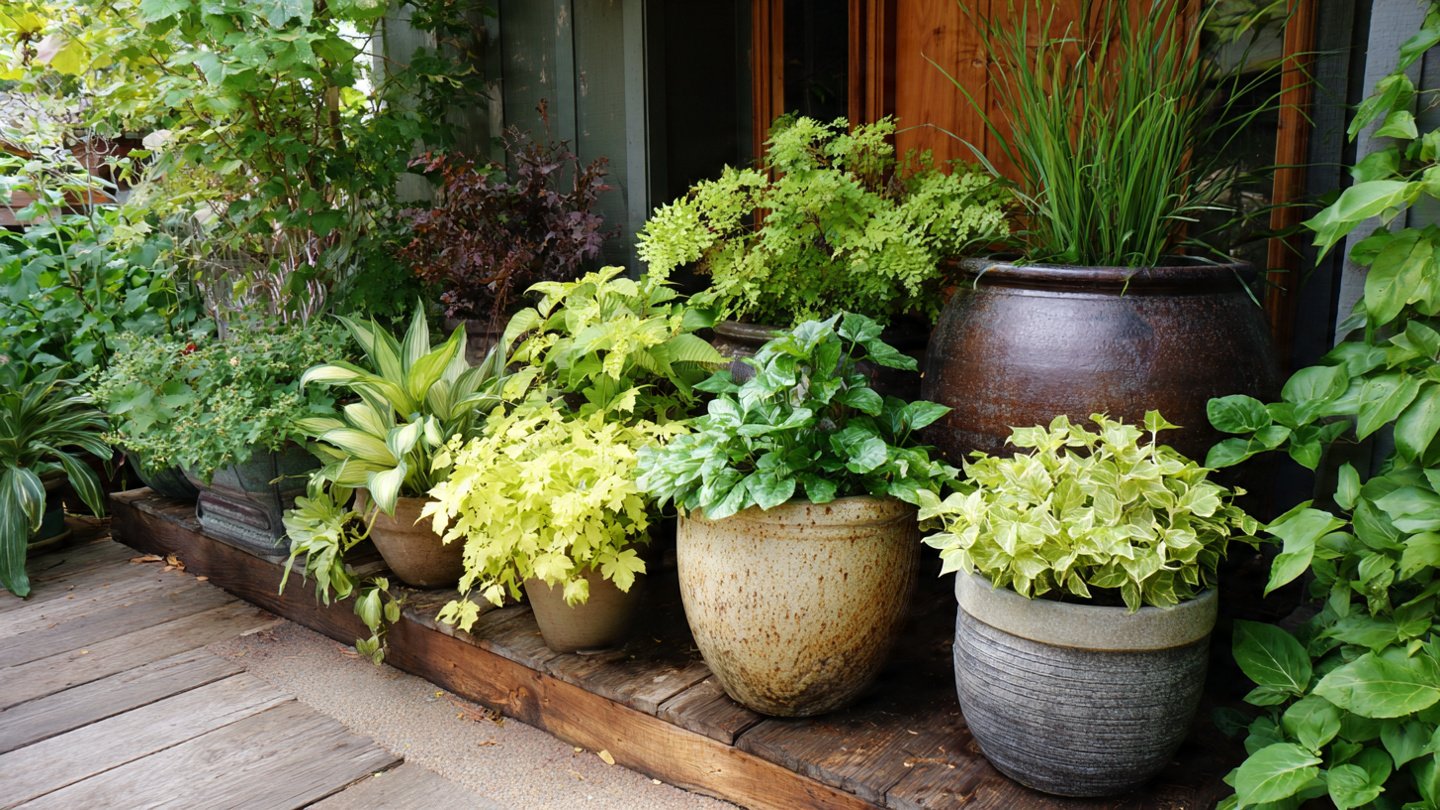
As the chilly winds of winter approach, gardeners often face the dilemma of what to do with their beloved potted perennials. For many, these plants represent a financial investment, as well as countless hours of care and nurturing. Rather than making new purchases each spring, effective overwintering techniques can ensure that your potted perennials survive the cold months and continue to thrive when temperatures rise again.
This comprehensive guide will explore the best tips for overwintering potted perennials, allowing you to save money, exert your gardening prowess, and enjoy a more sustainable approach to plant care.
Understanding Your Perennials
Before diving into specific strategies, it’s crucial to understand what perennials are and how they respond to winter conditions. Perennials are plants that live for more than two years, returning season after season. However, not all perennials are created equal. They vary in their hardiness zones, water needs, and sunlight requirements. Understanding these differences is key to successful overwintering.
1. Know Your Hardiness Zone
Different plants thrive in different hardiness zones, which are determined by the minimum temperatures an area experiences. This knowledge will guide you in deciding which plants can be safely left outdoors and which need special care. Familiarize yourself with your local hardiness zone using resources like the USDA Plant Hardiness Zone Map. This will help you make informed decisions about your potted perennials.
2. Choose the Right Containers
The choice of container can significantly impact a plant’s ability to survive winter. Plastic and glazed ceramic pots can retain heat better than porous materials like unglazed terracotta. Additionally, choose pots with good drainage, as standing water can lead to root rot. Consider insulating containers by wrapping them with materials like burlap, bubble wrap, or even pool noodles to increase their resistance to cold.
3. Location, Location, Location
Where you place your pots during the winter months can make a significant difference. Grouping them together can create a microclimate that helps retain warmth. Ideally, position your pots in a sheltered area, like a garage, shed, or even a covered porch. Ensure they get indirect sunlight for a part of the day; however, avoid placing them in a completely dark area, as this could hinder their growth.
4. Mulching for Protection
Adding mulch to the top of the pot can help to insulate the roots and provide extra protection against freezing temperatures. Organic mulches like shredded bark, pine needles, or straw are excellent choices. Apply a layer of mulch about 2-3 inches thick but be cautious not to cover the plant’s crown, as this could encourage rot.
5. Watering Needs
Contrary to popular belief, perennials in pots still require watering in winter, albeit in smaller amounts. During warmer winter days, the roots can still lose moisture. Water them thoroughly before the first hard freeze, and check periodically throughout the winter. However, avoid overwatering, as excess moisture can lead to root rot.
6. Pruning and Cleaning
Before winter sets in, take a moment to prune your potted perennials. Remove dead or yellowing leaves, as well as any spent flowers. Not only does this keep your plants looking tidy, but it helps to prevent diseases from spreading. Make sure to clean the leaves by using a damp cloth to remove dust and debris, allowing the plant to breathe better throughout the winter months.
7. Use a Cold Frame
For gardeners who want to take extra precautions, consider investing in a cold frame. This is essentially a mini greenhouse for your potted perennials. A cold frame traps heat and protects plants from harsh winds and frost. You can make one yourself using wood and glass or purchase pre-made versions. This is an especially good option for tender perennials that may not survive winter otherwise.
8. Bring Indoors or Into a Greenhouse
If you have particularly tender or valuable perennials, bringing them indoors or into a greenhouse can be a surefire way to ensure their survival. Ensure that your indoor environment is suitable—a bright window with indirect sunlight is ideal. Keep in mind that indoor air can be drier than outdoor air; consider using a humidifier or placing the pots on a tray filled with pebbles and water to maintain humidity.
9. Fertilizing and Feeding
Stopping fertilization during the fall months is essential, as perennials go into a dormant state. Fertilizing can encourage new growth, which will be detrimental when temperatures drop. Instead, focus on ensuring the health of your plants through the winter. Come spring, you can apply a slow-release fertilizer to give them the nutrients they need to bounce back.
10. Monitor for Pests and Disease
Even in winter, pests and diseases can rear their ugly heads if you’re not vigilant. Keep an eye on your potted perennials for any signs of infestations, such as discoloration on leaves or visible insects. Treat any issues promptly. Neem oil or insecticidal soap can be effective for managing pests without risking harm to your plants.
11. Timing is Everything
The timing of your winterizing efforts is crucial. As temperatures drop, you’ll need to prepare your potted perennials ahead of the first forecasted frost. This usually means starting preparations in late autumn, depending on your local climate. Keep an eye on the weather and plan accordingly.
12. Reinstate Spring Care
As winter wanes and spring approaches, begin preparing your potted perennials for the return of warmer weather. Remove any protective covers or insulating materials gradually. Start to reintroduce them to outdoor conditions by placing them outside for a few hours a day before moving them back permanently. This acclimatization process will ease their transition and reduce the risk of shock.
13. Evaluate Growth and Health Annually
At the end of each growing season, take time to evaluate which perennials thrived and which struggled. Consider factors like sunlight exposure, watering habits, and location. This evaluation will help you make better choices about which plants to keep and the best strategies for their overwintering in the future.
14. Propagation for the Future
In addition to overwintering, consider propagating your perennials. Many plants can be divided, allowing you to create new ones without incurring additional costs. By doing this, you not only expand your collection but also rejuvenate existing plants. Dividing perennials can also promote healthier growth, providing stronger roots for the following growing season.
Conclusion
Successfully overwintering your potted perennials can save you money and time while contributing to a more sustainable garden practice. By understanding your plants’ needs, utilizing proper techniques for care and protection, and being vigilant against pests and diseases, you can ensure that your perennials thrive year after year. By following the tips outlined above, you can maintain a vibrant garden without the need for costly purchases each spring.
Embrace the cyclical nature of gardening, and let your love for your perennials shine through every season. After winter, as they emerge from their dormancy, you’ll be rewarded not just with beautiful blooms, but with the satisfaction of knowing you nurtured them through the cold. With a little effort, your garden can be just as radiant come spring as when you first planted those vibrant perennials.