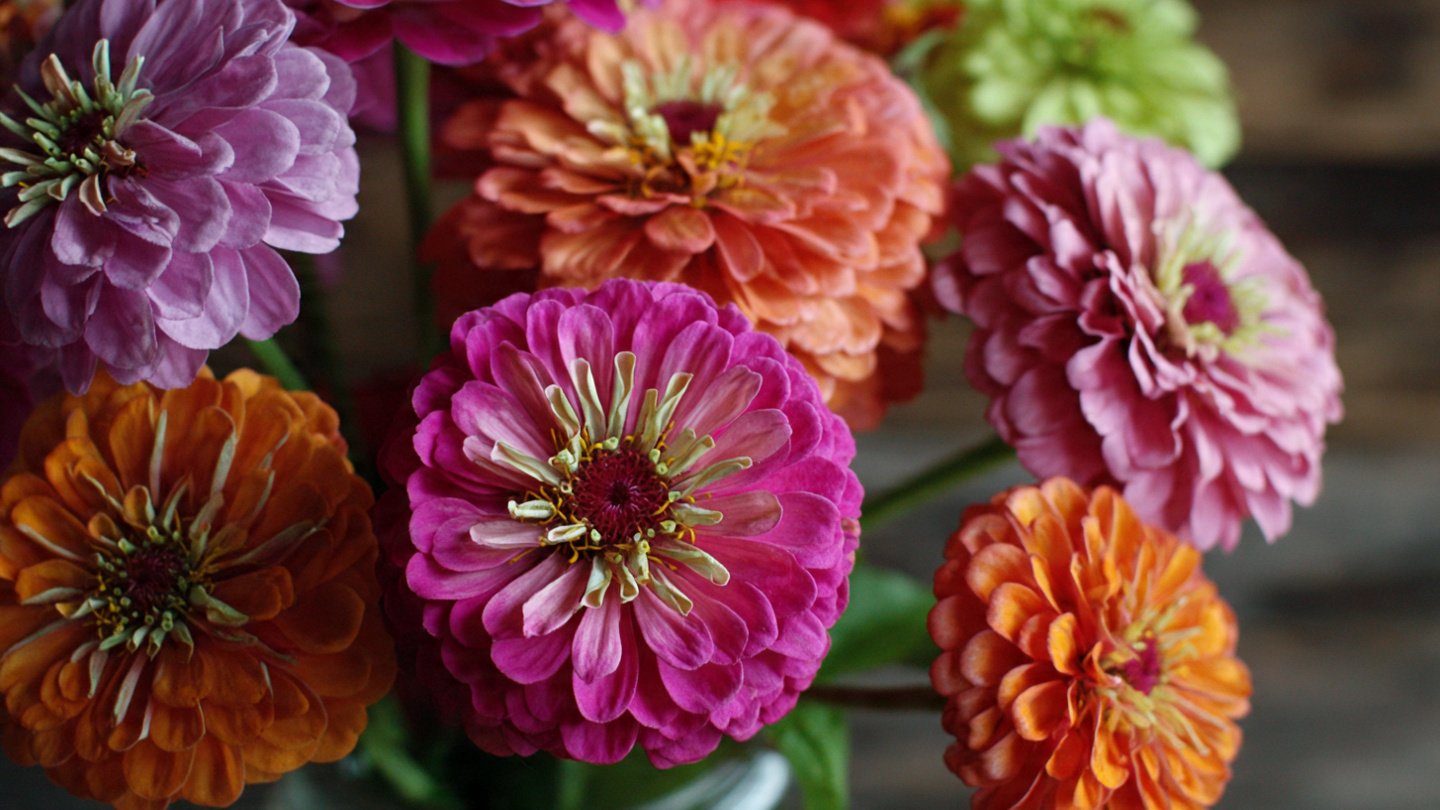
Zinnias are beloved annual flowers known for their bright colors and diverse forms. Gardeners appreciate them not just for their aesthetic appeal but also for their ease of care and ability to attract pollinators. While many commercially available zinnia varieties are stunning, creating your own unique zinnia variety at home can be an exciting journey that combines art, science, and gardening. This article will guide you through the steps of hybridizing zinnias, caring for them, and ultimately enhancing your garden with unique blooms.
Understanding Zinnia Genetics
Before diving into the hybridization process, it’s important to understand some basics about plant genetics. Zinnias, like all plants, have traits inherited from their parent plants. These traits can include flower color, size, petal shape, and plant height.
Types of Zinnias
There are several kinds of zinnias, with the most common being:
- Zinnia elegans: Known for large, vibrant flowers and a wide range of colors. This variety is typically used for hybridization.
- Zinnia angustifolia: Features more slender leaves and smaller flowers but adds unique traits.
- Zinnia haageana: Offers a wildflower appearance and can provide interesting characteristics when hybridized.
The Hybridization Process
Hybridization is the process of cross-pollinating two different zinnia varieties to create a new zinnia plant boasting the desired traits from both parents. Follow these steps to get started:
1. Selecting Parent Plants
Select two zinnia plants that exhibit traits you find appealing. It could be a specific color, petal shape, or robust growth habit. Note that the more diverse the genetics, the more interesting your offspring could be.
2. Timing of Pollination
Zinnias usually bloom from spring to fall. Pollination should take place during the day when the flowers are fully open. Morning is generally the best time for pollination.
3. Collecting Pollen
Using a soft brush or a cotton swab, collect pollen from the anthers (the male parts) of one zinnia flower. Make sure you are collecting from a flower that has just opened to ensure mature pollen. After collecting the pollen, gently apply it to the stigma (the female part) of the other flower.
4. Protective Measures
After pollination, to avoid unwanted cross-pollination, cover the fertilized flower with a light cloth or a small bag. This helps ensure that the genetic traits you are expecting are passed on without interference from other plants.
5. Seed Collection
After a few weeks, the fertilized flower will begin to set seeds. Once the flower head dries and turns brown, collect the seeds. Allow the seeds to dry further for a few days before storing them in a cool, dry place. This helps ensure their viability for the next planting season.
Planting Your Hybridized Seeds
With your seeds ready, it’s time to plant them and watch your unique zinnia variety bloom. Here’s how:
1. Soil Preparation
Zinnias thrive in rich, well-draining soil that is made up of a mixture of garden soil, compost, and sand. Prepare the soil by tilling it to a depth of about 12 inches and mix in compost to enhance nutrient availability.
2. Seed Sowing
Sow seeds indoors about 6-8 weeks before the last expected frost or directly into the garden after the frost has passed. Plant the seeds about 1/4 inch deep. Ensure they are spaced about 12 inches apart to allow for proper growth.
3. Watering and Care
Water the seeds gently but thoroughly. Once established, zinnias need regular watering but avoid overwatering, as it can lead to root rot. Fertilize every 4-6 weeks with a balanced, all-purpose fertilizer during the growing season.
Conditions for Successful Growth
Your hybrid zinnia variety will thrive with the right conditions:
1. Sunlight
Zinnias love bright sunlight. Ensure they receive at least 6 hours of full sun each day for optimal bloom production.
2. Weather Considerations
While zinnias are hardy, they prefer warm temperatures. If you live in an area with extreme weather, consider protecting young plants with shade cloth during intense heat or bringing potted plants indoors during cold spells.
3. Pest and Disease Management
Zinnias can be susceptible to pest infestations such as aphids and spider mites. Regularly check your plants and take preventive measures like introducing beneficial insects or using organic pest control methods as needed. Also, ensure proper air circulation to minimize disease risk.
Conclusion
Creating your own unique zinnia variety at home is not only a rewarding gardening project but also enhances the biodiversity of your garden. By understanding zinnia genetics, carefully selecting parent plants, and following a structured hybridization process, you can enjoy blooms that reflect your creative vision. With patience and care, your garden can become a vibrant tapestry of colors and shapes that you can take pride in. Happy gardening!
FAQs
1. How long does it take for hybridized zinnia seeds to germinate?
Hybridized zinnia seeds typically take 7-14 days to germinate, depending on temperature and moisture levels.
2. Can I hybridize zinnias with other flower species?
While you can experiment with other types of zinnias, successful hybridization typically occurs within the same species.
3. What should I do if my zinnias are not blooming?
If your zinnias are not blooming, ensure they are receiving adequate sunlight, proper watering, and nutrition. Also, check for pest issues that could affect flowering.
4. Can I collect seeds from hybrid zinnias?
Yes, you can collect seeds from hybrid zinnias, but keep in mind that the offspring may not be true to the parent plants, given the genetic variability.
5. Do zinnias attract pollinators?
Yes, zinnias are known to attract butterflies, bees, and other pollinators, making them a great addition to any garden focused on supporting local fauna.