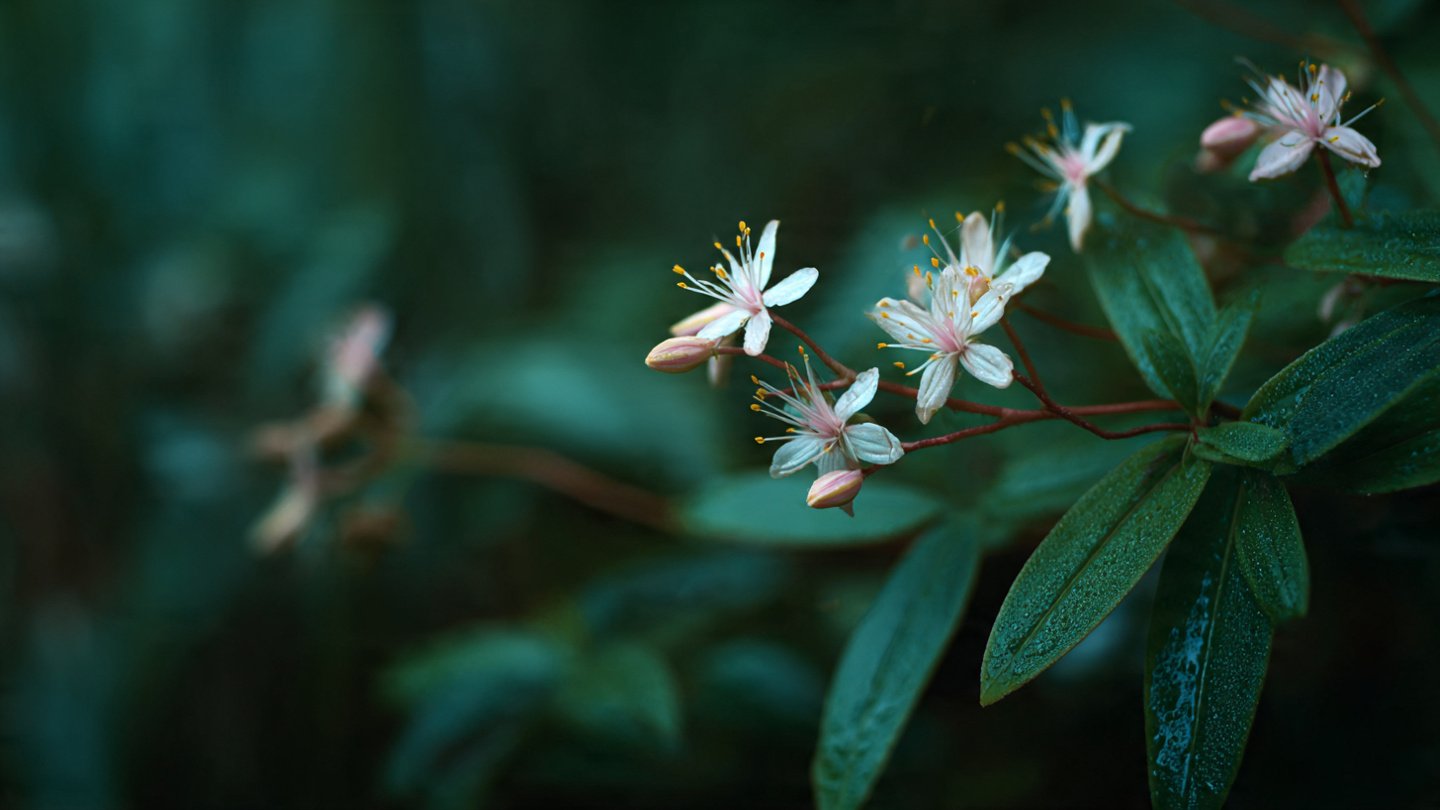
Leggy flowers are plants that have grown in a way that results in long, thin stems with sparse foliage. This condition commonly occurs due to inadequate light, leading the plant to stretch towards the light source. Leggy plants not only look unattractive, but they can also be unhealthy. Fortunately, there are several effective strategies to promote leaf growth and enhance the overall appearance of your leggy flowers. In this article, we will explore a variety of techniques, from environmental adjustments to proper pruning and fertilization, to help your flowers flourish.
The Causes of Leggy Growth
To understand how to promote leaf growth, it’s essential to first identify the causes of leggy growth in flowers:
- Insufficient Light: One of the primary reasons for leggy growth is insufficient sunlight. Plants will stretch towards the light source, resulting in long stems with few leaves.
- Overwatering: Excessive watering can lead to root rot, which impairs the plant’s ability to absorb nutrients and may cause it to grow long stems in search of air.
- Nutrient Deficiency: A lack of essential nutrients, particularly nitrogen, can lead to weak, leggy growth as plants may struggle to develop robust leaves.
- Overcrowding: Plants that are too close together may compete for sunlight and nutrients, leading to leggy growth as they stretch towards available resources.
- High Temperatures: Excessive heat can also cause a plant to stretch out in an attempt to escape unfavorable conditions.
How to Promote Leaf Growth on Leggy Flowers
1. Improve Light Conditions
The first step in promoting leaf growth is to ensure that your flowers receive adequate light. Depending on the type of flowers you have, they may require full sun, partial shade, or indirect light. You can:
- Relocate: Move leggy plants closer to a window or to an area with more sunlight.
- Use Grow Lights: If natural light is minimal, consider using grow lights, which can mimic sunlight and provide the necessary energy your plants need to thrive.
2. Adjust Watering Practices
Watering is vital for healthy plant growth, but it is crucial to strike the right balance. Consider the following:
- Check Soil Moisture: Always check the moisture level of the soil before watering. A good rule of thumb is to water only when the top inch of soil feels dry.
- Allow Drainage: Ensure that pots have drainage holes to allow excess water to escape and prevent root rot.
3. Use Appropriate Fertilizers
To encourage leaf growth, using the right fertilizer is essential. Here are some tips:
- Choose a Balanced Fertilizer: A balanced fertilizer (such as a 10-10-10 NPK ratio) provides essential nutrients that support overall plant health.
- Apply Fertilizer at the Right Time: Feed your plants during their growing season (usually spring and summer), and reduce or stop fertilization during their dormant period (typically fall and winter).
4. Prune Properly
Pruning can significantly enhance the vigor of leggy flowers by encouraging bushier growth. Here’s how to do it effectively:
- Identify Leggy Stems: Look for stems that are excessively long with sparse leaves.
- Cut Wisely: Use sharp, clean shears to trim back the leggy stems about one-third of the way down. Make the cut just above a leaf node to encourage new growth.
- Regular Maintenance: Regular pruning promotes healthy growth, so maintain a schedule to check on your plants.
5. Control Temperature and Humidity
Temperature and humidity levels greatly affect plant growth. Follow these guidelines:
- Maintain Optimal Temperature: Most flowering plants prefer temperatures between 65°F to 75°F (18°C to 24°C). Keep them away from drafts and extreme heat sources.
- Increase Humidity: If you live in a dry climate, consider using a humidifier or placing a tray of water near your plants to increase humidity.
6. Space Plants Appropriately
Overcrowding can lead to leggy growth as plants compete for light and nutrients. To avoid this:
- Provide Adequate Spacing: Ensure that each plant has enough space to grow without competing with others.
- Repot If Necessary: If plants are in small pots, repotting them into larger containers can provide the space they need to grow more robustly.
Conclusion
Promoting leaf growth in leggy flowers requires a multifaceted approach. By understanding the causes of leggy growth and implementing techniques such as improving light conditions, adjusting watering practices, using proper fertilizers, pruning effectively, controlling temperature and humidity, and ensuring proper spacing, gardeners can help their plants thrive. Taking the time to nurture these aspects will not only enhance the aesthetics of your garden but also contribute to the health of your plants in the long run. With patience and attention, you can transform leggy flowers into lush, vibrant blooms that add beauty to your space.
FAQs
Q1: How often should I water leggy flowers?
A: Water your leggy flowers when the top inch of soil feels dry. This frequency varies depending on the species of flower and environmental conditions.
Q2: Can I use regular potting soil for leggy flowers?
A: Yes, as long as the soil is well-draining. Consider a mix that includes perlite or sand to promote drainage.
Q3: What type of fertilizer is best for flowers?
A: A balanced fertilizer with equal parts nitrogen, phosphorus, and potassium (like a 10-10-10 ratio) is ideal to promote healthy growth.
Q4: How do I know if my flowers need more light?
A: If your flowers are leaning towards a light source or have fewer leaves than expected, they may not be getting enough light. Consider moving them or supplementing with grow lights.
Q5: Is it necessary to prune leggy flowers?
A: While not always necessary, pruning can enhance bushy growth and the overall health of the plant. It helps redirect energy to new shoots.