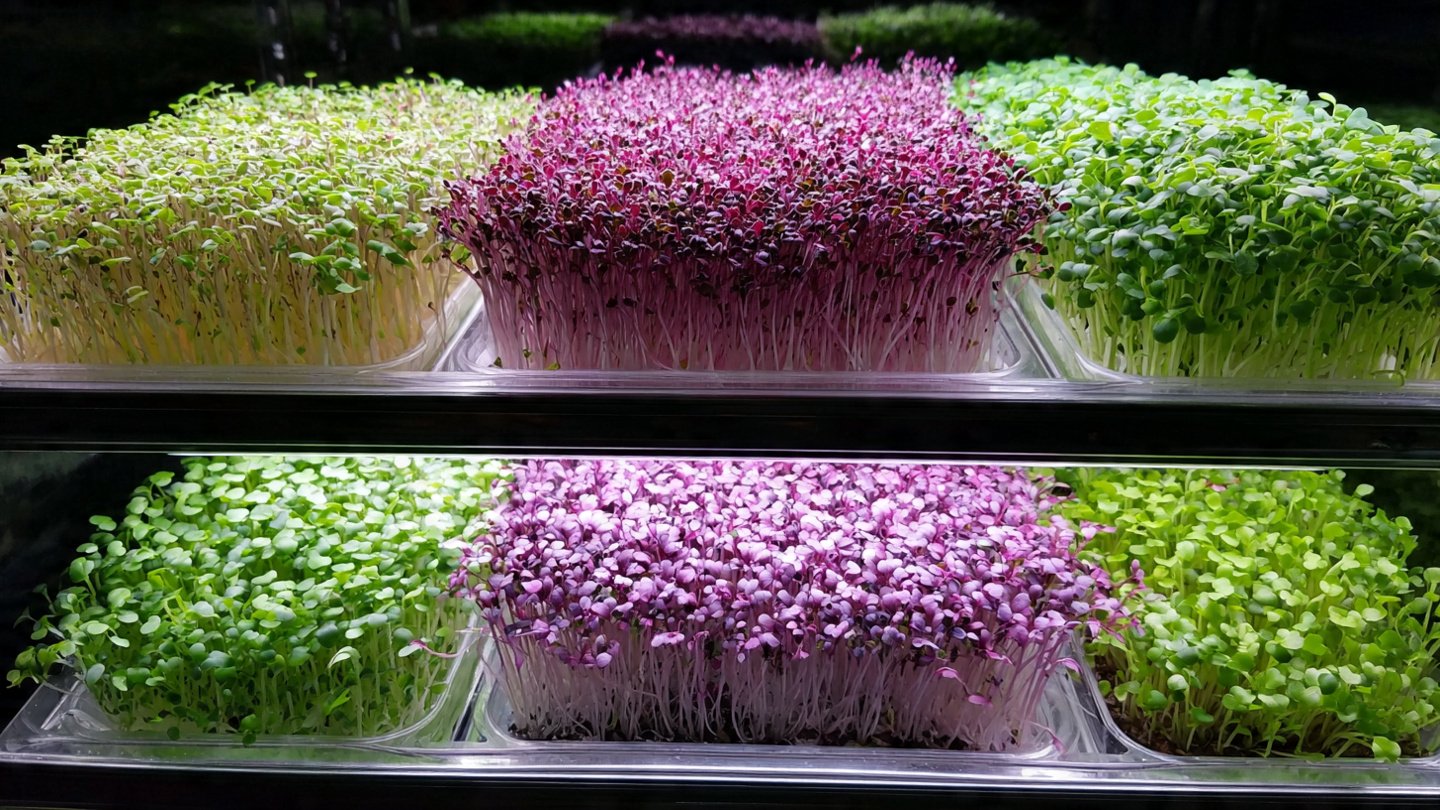
How Can You Achieve a Continuous Indoor Harvest of Microgreens?
Microgreens are young, edible seedlings harvested just after the first true leaves develop. They are packed with flavor, color, and nutrients, making them a popular choice for chefs and health enthusiasts alike. Growing microgreens indoors provides an excellent opportunity for year-round cultivation, but how can you achieve a continuous harvest? This article explores various techniques, tools, and strategies to facilitate ongoing production of microgreens indoors.
Understanding Microgreens
Microgreens come from various plant families, including herbs, vegetables, and even some grains. They are usually harvested between 7 to 21 days after germination, depending on the variety. Variations in flavor, texture, and nutrient content can be found among different species. Examples include arugula, broccoli, basil, and pea shoots, all of which contribute to the uniqueness of microgreens.
The Benefits of Growing Microgreens Indoors
Growing microgreens indoors has several advantages:
- Controlled Environment: Indoor conditions can be regulated consistently, minimizing the impact of external factors like weather.
- Space Efficiency: Microgreens require significantly less space compared to traditional gardening, making them suitable for apartments or small homes.
- Year-Round Availability: Indoor growing enables continuous cultivation, allowing for microgreens to be harvested at any time.
- Health Benefits: Microgreens are nutrient-dense and can contribute significantly to a balanced diet.
Steps to Achieve Continuous Indoor Harvest of Microgreens
1. Selecting Suitable Varieties
To maintain a continuous harvest, it is essential to choose the right varieties of microgreens. Consider fast-growing species that can be paired together. Some easy-to-grow options include:
- Basil
- Radish
- Sunflowers
- Beet Greens
- Cilantro
2. Stagger Planting Schedules
The key to a continuous harvest is to stagger the seeding of your microgreens. Plant new trays every few days or weekly to ensure that at least one batch is ready for harvesting while new seeds are germinating. This requires careful planning and adherence to a schedule.
3. Optimal Growing Conditions
Creating the right environment for microgreens is crucial. Here are some factors to consider:
- Light: Microgreens need 12-16 hours of light daily. Using grow lights can optimize growth, especially during darker months. Make sure to position lights 2-4 inches above the plants to avoid stretching.
- Temperature: A temperature range of 65°F to 75°F (18°C to 24°C) is ideal for most microgreens.
- Humidity: Maintaining moderate humidity levels helps with seed germination. Cover trays with a humidity dome until seedlings emerge to retain moisture.
4. Proper Soil and Containers
Using suitable growing media is essential for healthy microgreens. A sterile seed-starting mix or coconut coir works well. Using shallow trays allows for proper drainage while conserving space. Ensure that your containers have drainage holes to prevent waterlogged conditions that could lead to root rot.
5. Watering Techniques
Overwatering is a common mistake in microgreen cultivation. Use a spray bottle or a bottom-watering technique to ensure the growing medium stays moist but not soggy. It is important to keep an eye on the moisture levels and adjust as necessary, especially as the plants grow larger and demand more water.
6. Harvest Techniques
Microgreens are usually ready to harvest when they reach 2-3 inches in height. Use clean scissors to slice just above the soil line. Harvest them with care to avoid damaging neighboring plants. Once harvested, rinse the microgreens gently and place them in a container for storage. A continuous harvesting cycle means that as one tray is harvested, another should be nearing maturity.
7. Maintaining Inventory
Keeping track of your planting and harvesting schedules is essential for achieving a continuous indoor harvest. Consider using a simple spreadsheet or an app to track:
- Planting dates
- Expected harvest dates
- Varieties grown
- Notes on growth patterns
Conclusion
Achieving a continuous indoor harvest of microgreens involves a strategic approach and understanding of the growing conditions, planting schedules, and care requirements. By selecting suitable varieties, staggering your planting, and maintaining proper growing conditions, you can enjoy fresh, flavorful microgreens throughout the year. With patience and practice, you’ll be able to create a self-sustaining indoor microgreen garden that enhances your meals and provides nutritional health benefits.
FAQs
1. How long does it take for microgreens to grow?
Microgreens generally take 7 to 21 days to grow, depending on the variety. Fast-growing species like radishes can be ready in as little as 7 days, while others may take longer.
2. Do I need grow lights for growing microgreens indoors?
While not strictly necessary, grow lights can significantly improve the growth rate and quality of your microgreens, especially during the winter months when natural light is limited.
3. Can I reuse soil for microgreens?
It is not recommended to reuse soil for microgreens as it may harbor diseases and pests. Fresh, sterile growing media is ideal for optimal growth.
4. What should I do with leftover microgreens after harvesting?
Leftover microgreens can be stored in an airtight container in the refrigerator for up to a week. They can be added to salads, sandwiches, or smoothies for added flavor and nutrition.
5. Can I grow microgreens without soil?
Yes, microgreens can be grown using hydroponic methods, where the seeds are placed in a nutrient-rich water solution instead of soil. However, this requires different equipment and knowledge of hydroponics.