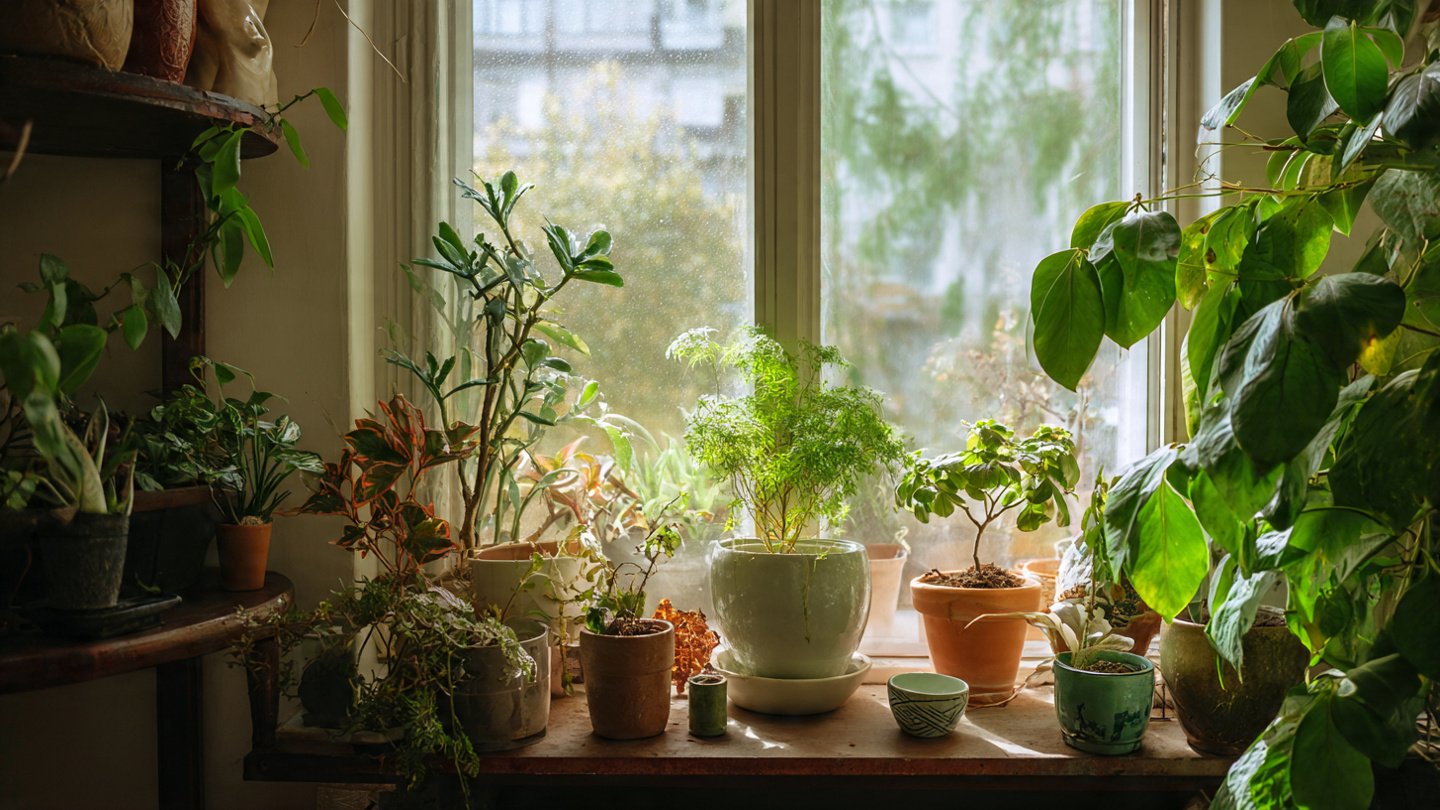
Understanding the Challenges of Winter for Indoor Gardens
Winter brings unique challenges for indoor gardens, as many plants struggle with the reduced sunlight, lower humidity, and cooler temperatures. Understanding these challenges is vital for maintaining a thriving indoor garden. Reduced light can slow plant growth, while dry air from heating systems can lead to stress and leaf drop. Knowing how to manage these conditions will allow you to keep your plants healthy during this often-difficult season.
Choosing the Right Plants for Winter
Some plants are particularly well-suited to indoor environments in winter. Here are a few options you might consider:
- Snake Plant: A hardy plant that requires minimal light and water.
- Pothos: Known for its air-purifying qualities and ability to thrive in low light.
- Spider Plant: Adaptable to various conditions and very easy to care for.
- Peace Lily: Not only is it beautiful, but it can also bloom indoors during winter.
Selecting the right plants is essential, as some may simply not thrive indoors when conditions change, while others can adapt better to the environment.
Maximizing Light Exposure
Winter days are shorter, and sunlight is often less intense. To ensure your indoor garden receives sufficient light:
- Reposition Plants: Move your plants closer to windows that get the most sunlight, preferably south-facing windows.
- Use Reflective Surfaces: Position mirrors or reflective surfaces nearby to increase light exposure without moving your plants.
- Consider Supplemental Lighting: Grow lights can be a great investment, providing the needed intensity and spectrum for plant growth.
- Rotate Plants: Ensure all sides of the plants receive adequate light by rotating them occasionally.
Managing Temperature and Humidity
Optimal temperature and humidity levels are crucial for plant health:
- Ideal Temperature: Most indoor plants prefer a temperature between 65°F and 75°F (18°C and 24°C). Avoid placing them near drafts, heaters, or air conditioning vents.
- Humidity Levels: Indoor heating can lead to dry air. Aim for humidity levels around 40-60%. To increase humidity, consider:
- Using a humidifier in the room.
- Grouping plants together to promote a microclimate.
- Placing shallow trays filled with water and pebbles near your plants.
Watering Wisely
During winter, plant growth slows, and their water requirements decrease:
- Check Soil Moisture: Use your finger to assess moisture levels before watering. Overwatering can lead to root rot, especially in winter.
- Water Less Frequently: Most indoor plants need watering less often in cooler months; typically, every 2-4 weeks should suffice.
- Use Room Temperature Water: Cold water can shock roots, so let it sit at room temperature before using it.
Fertilizing Your Indoor Garden
Due to the slower growth rates in winter, many indoor plants require less fertilizer:
- Go Easy on Fertilizers: Generally, you may want to fertilize less often or use a diluted fertilizer to avoid overloading your plants with nutrients.
- Use a Balanced Fertilizer: Look for a balanced, water-soluble fertilizer to provide essential nutrients.
- Observe Your Plants: If your plants show signs of nutrient deficiency (yellowing leaves, stunted growth), adjust your fertilizing schedule accordingly.
Maintaining Cleanliness
Keeping your indoor garden clean is essential for preventing pests and diseases:
- Dusting Leaves: Dust can accumulate on leaves, blocking sunlight. Wipe leaves gently with a damp cloth regularly.
- Sanitizing Tools: Ensure your gardening tools and pots are clean to prevent the spread of diseases.
- Pest Control: Monitor for any signs of pests and deal with infestations promptly using natural remedies or insecticidal soap.
Encouraging Growth
Even though it’s winter, some plants can still thrive and even bloom indoors with the right care:
- Pruning: Regularly prune dead or yellowing leaves to encourage new growth and keep plants healthy.
- Propagating Plants: Winter is a great time to propagate many plant types, which can lead to new growth in the coming spring.
- Patience: Recognize that growth may be slow during the winter months; patience is key to a thriving garden.
Conclusion
Maintaining an indoor garden during winter presents challenges, but with proper care and attention, you can keep your plants healthy and thriving. By understanding the needs of your plants, maximizing light exposure, managing temperature and humidity, watering wisely, and maintaining cleanliness, you can create a sanctuary of greenery in your home, even amidst the cold months. Remember that every indoor garden is unique, so pay attention to the specific needs of your plants and make adjustments as necessary. With patience and dedication, you can ensure that your indoor garden flourishes all winter long.
FAQs
How often should I water my indoor plants in winter?
In winter, many indoor plants require watering every 2-4 weeks, depending on the type of plant and your home’s humidity levels. Always check the soil moisture first.
Can I use regular light bulbs for my indoor plants?
Regular light bulbs can provide some illumination, but they may not offer the right spectrum of light for growth. Consider using grow lights designed specifically for plants.
Are there specific plants that thrive indoors in winter?
Yes, plants like Snake Plant, Pothos, Spider Plant, and Peace Lily tend to thrive indoors during winter months due to their adaptability and low light needs.
How do I increase humidity for my indoor plants?
You can increase humidity by using a humidifier, grouping plants together, or placing shallow trays of water near your plants.
Should I fertilize my indoor plants in winter?
It is advisable to fertilize less often in winter, as plants’ growth slows down. If you do fertilize, use a diluted, balanced fertilizer.