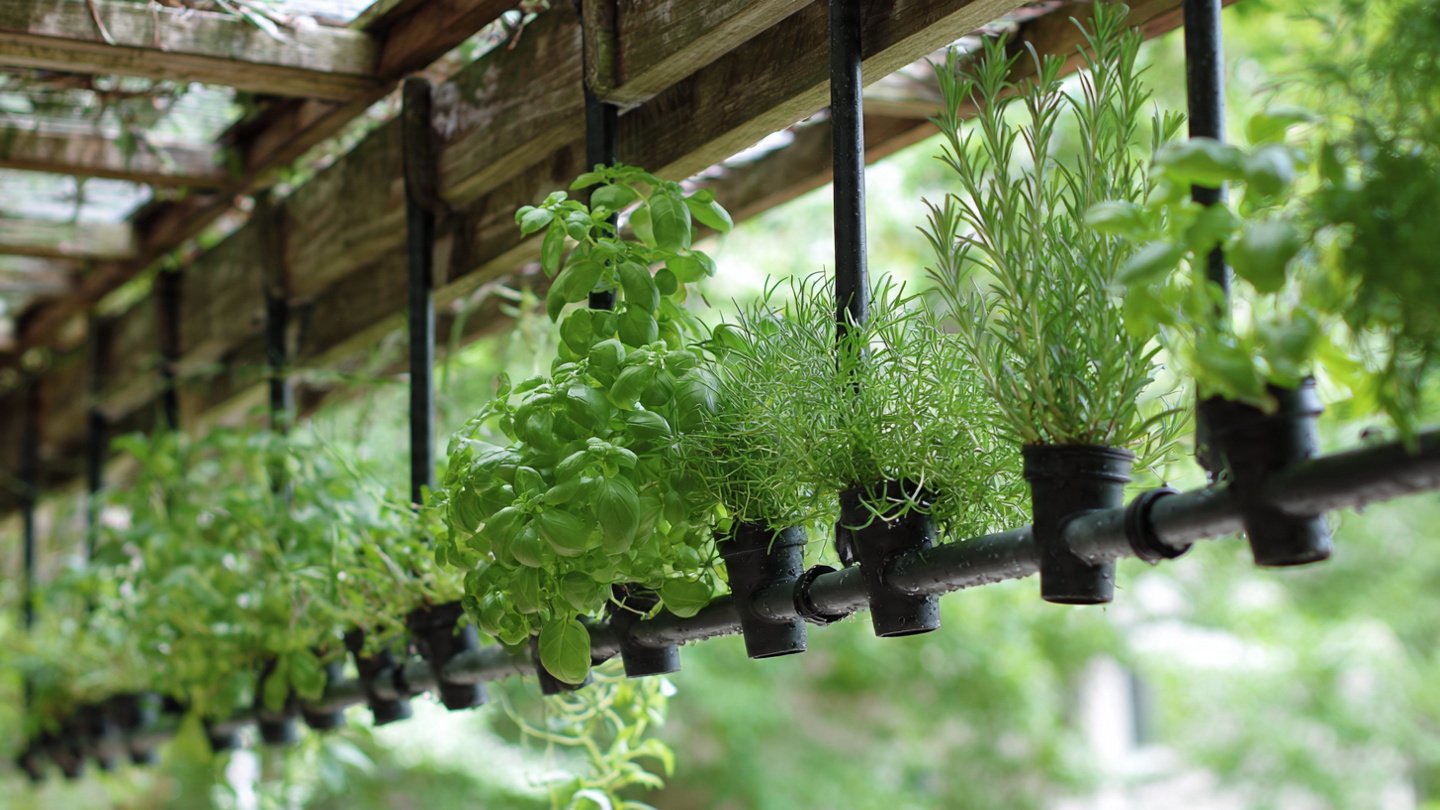
Herb gardening can be a delightful endeavor, offering fresh flavors and aromas just a whisk away in your kitchen. However, maintaining an organized herb garden can often prove to be a challenge. One solution that has been gaining traction among horticulturists is the use of tension rods. These versatile tools not only aid in organizing your herbs but also enhance the overall aesthetics of your garden. In this article, we will delve into the transformative potential of tension rods in your herb garden organization.
Understanding Tension Rods
Tension rods are adjustable rods that are held in place by the pressure between two surfaces, making them ideal for creating a variety of organizational solutions without the need for additional hardware. They come in various lengths and materials, including metal and plastic, making them suitable for both indoor and outdoor settings.
Benefits of Using Tension Rods in Your Herb Garden
Integrating tension rods into your herb garden can bring a multitude of benefits. Here are some notable advantages:
- Space Management: Tension rods can help you utilize vertical space effectively, enabling you to make the most out of various garden layout designs.
- Improved Accessibility: By hanging pots and planters on tension rods, you can enhance accessibility to your herbs for easy harvesting.
- Enhanced Airflow: Elevating your herbs allows for better airflow, which can lead to healthier plants and a reduced risk of disease.
- Customization: Tension rods can be adjusted to fit various spaces, providing flexibility in your garden organization as your needs change.
- Aesthetic Appeal: Organizing your herbs with beautifully arranged pots on tension rods can create a visually innovative garden space.
Creative Uses of Tension Rods in Herb Gardens
Now let’s explore some practical and creative ways to incorporate tension rods into your herb garden:
1. Vertical Herb Gardens
One of the most popular uses of tension rods is for creating a vertical herb garden. By installing two tension rods between two walls or within a garden bed, you can hang lightweight pots filled with your favorite herbs. This not only saves ground space but also creates an eye-catching display.
2. Hanging Herb Planters
For those who prefer a more mobile solution, tension rods can be installed indoors over kitchen sinks or windows. Hanging planters from these rods can keep your herbs easily accessible while also optimizing sunlight exposure.
3. Air-Drying Herbs
Tension rods can also be utilized for air-drying herbs. By hanging freshly cut herbs from the rod in a dry, ventilated area, you create an efficient drying process while saving counter space in your kitchen.
4. Organizing Garden Tools
Another ingenious use of tension rods is to hang lightweight garden tools. You can attach small baskets or hooks to the tension rod to keep your gardening tools tidy and within reach, making your garden maintenance simpler.
5. Easy Labeling
To ensure you never forget what herb is planted where, tension rods can be incorporated with mini clips to hold identification labels. This organizational tool can save you time and confusion during harvest sessions.
Installation Tips for Tension Rods
To maximize the benefits of tension rods in your herb garden, proper installation is key. Here are some practical tips:
- Measure Your Space: Before purchasing a tension rod, carefully measure the intended installation area to ensure a perfect fit.
- Choose the Right Material: Select materials that can withstand outdoor conditions if you’re using the tension rod in an outdoor garden.
- Secure Placement: Ensure that the surfaces where you’re installing the rods are stable, as improper installation can lead to accidents.
- Adjustability: Take advantage of the adjustability of tension rods. Regularly check if they need tightening due to the weight of the plants or planters.
Maintaining Your Tension Rod Herb Garden
Maintaining a tension rod herb garden is relatively straightforward. Here are some helpful maintenance tips:
- Monitoring Plants: Regularly check the health of your herbs, ensuring that they receive adequate water and sunlight.
- Cleaning: Keep the tension rods clean to prevent grime buildup, which can attract pests or mold.
- Seasonal Adjustments: Depending on the season, adjust the pots and plans on your tension rods for optimal sunlight exposure.
Conclusion
Tension rods are a practical and creative tool for transforming your herb garden organization. From maximizing vertical space to enhancing accessibility and aesthetics, their versatility can be a game-changer in herb gardening. By implementing tension rods creatively and maintaining them well, you can cultivate an organized, thriving herb garden that enhances not only your cooking but also the overall ambience of your living space.
FAQs
1. Can tension rods hold heavy plants?
It depends on the weight limit of the particular tension rod you choose. Always check the specifications before hanging pots to avoid accidents.
2. Are tension rods suitable for outdoor use?
Yes, but make sure to choose rods made of weather-resistant materials, like stainless steel or specially coated metals, for outdoor applications.
3. How do I know the right size of tension rod for my garden?
Measure the distance between the two surfaces where you plan to install the tension rod. The rod should fit snugly without being too tight, allowing for proper installation.
4. Can I use tension rods for plants other than herbs?
Absolutely! Tension rods can be used to hang any lightweight pots or planters, making them versatile for various types of plants.
5. What if my tension rod keeps slipping?
If your tension rod slips, check that it is securely tightened and that the surfaces it rests against are clean and dry. You may also need a stronger rod or a different installation method if it continues to slip.