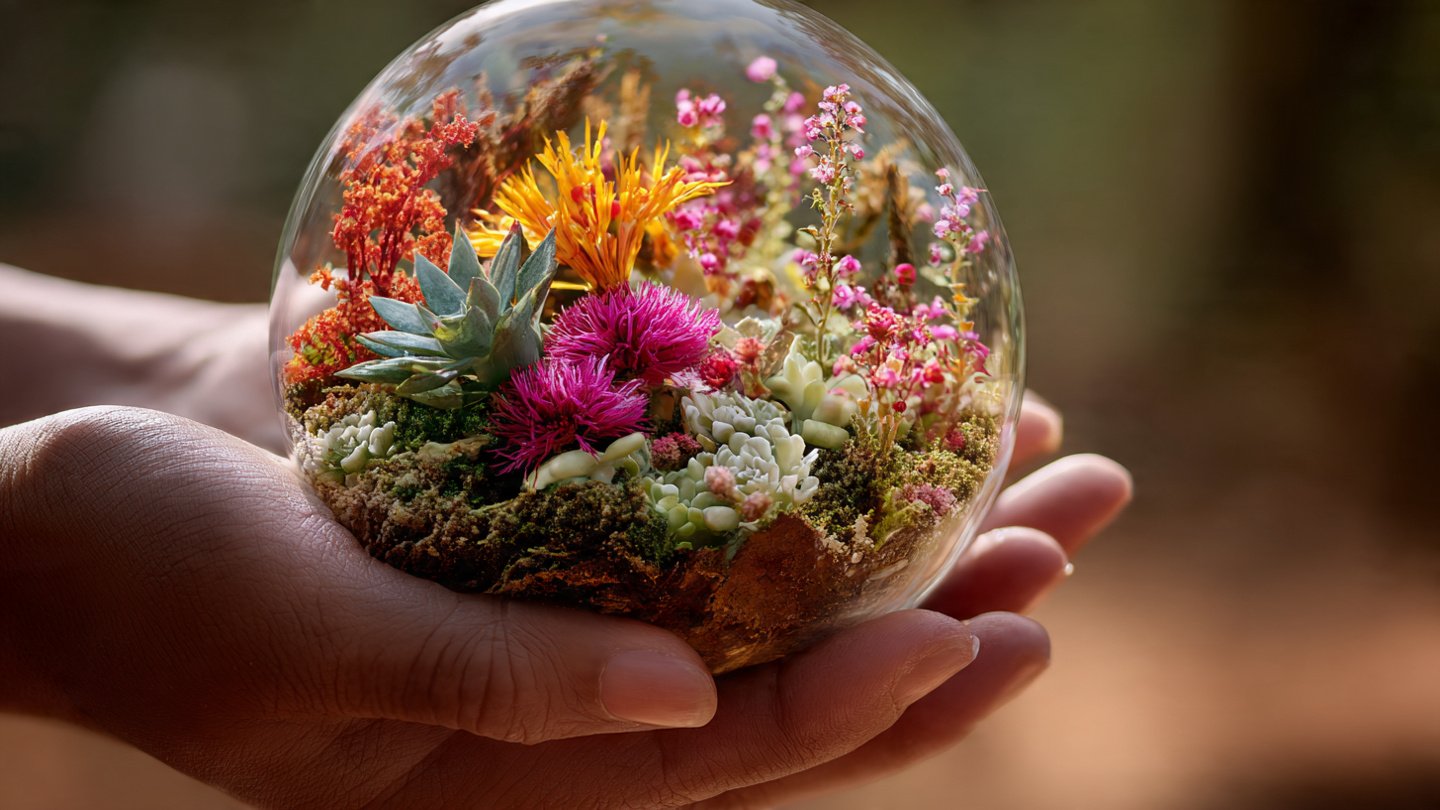
As concerns about climate change and environmental degradation rise, individuals are increasingly looking for ways to contribute to a healthier planet. One underappreciated method is the practice of propagating your own flowers. Not only does this skill allow you to create a beautiful garden, but it can also have a significant, positive impact on the environment. In this article, we’ll explore how propagating your own flowers can help save the planet.
1. Reducing Carbon Footprint
Every action counts in the battle against climate change. By propagating your own flowers, you are reducing the demand for commercially produced plants that often require extensive transportation. When you buy flowers from a nursery or garden center, they are often shipped from far-off locations, consuming fossil fuels and increasing your carbon footprint. By growing your own, you minimize these emissions.
2. Promoting Biodiversity
Many commercially available plants are hybrid varieties that may not contribute to local ecosystems. By propagating native flowers or heirloom varieties, you can help restore biodiversity in your area. Native plants are essential for local wildlife, particularly pollinators like bees and butterflies, which rely on them for food and habitat. Encouraging local flora can aid in stabilizing ecosystems and promoting a balanced environment.
3. Encouraging Pollinator Populations
Flowers are crucial for the survival of pollinators. By propagating your own flowering plants, especially those that are native to your region, you create a stable food source for species like bees, hummingbirds, and butterflies. Pollinators play a vital role in the global food system by helping to pollinate around 75% of the crops we eat. A healthy population of pollinators is essential for a thriving ecosystem, and you can be part of that solution by planting what they need.
4. Sustainable Gardening Practices
When you propagate your own flowers, you have the opportunity to incorporate sustainable gardening practices. Seeds can be harvested from established plants, allowing for a cyclical approach to gardening. Additionally, you can control the inputs—such as fertilizers and pesticides—used in your garden. By opting for organic methods and avoiding harmful chemicals, you contribute to a healthier soil ecosystem, promote clean water, and reduce pollution.
5. Waste Reduction
Many gardeners struggle with waste, especially from buying plants that come in plastic pots and packaging. Propagating your own flowers minimizes this waste. You can use biodegradable pots, or even repurpose household items for planting. Additionally, when propagating from cuttings or seeds, you’re reducing the need for purchasing new plants, thereby decreasing the overall demand for plastic and packaging.
6. Educational Opportunities
Propagating flowers provides a valuable educational experience for both children and adults. It can foster a deeper understanding of botany, ecology, and sustainability. Teaching younger generations about gardening and the importance of plants can inspire them to take action for the environment in their own lives. Engaging with nature encourages a sense of stewardship and responsibility towards the planet.
7. Community Engagement
Growing your own flowers can lead to community involvement. Sharing knowledge, seeds, and cuttings with neighbors can foster community ties. Community gardens often benefit greatly from local partnerships, which can help enhance green spaces in urban areas, contributing to improved air quality and biodiversity. Connecting with others who have a passion for gardening can lead to collaborative efforts that amplify the positive impacts on the environment.
8. Personal Well-being
Beyond environmental benefits, gardening, including propagating flowers, can have significant mental and physical health benefits. It reduces stress, provides physical activity, and offers a sense of accomplishment. Spending time in nature and nurturing plants contributes to overall well-being, which can encourage individuals to be more engaged in environmental initiatives and personal sustainability practices.
How to Get Started with Propagating Your Own Flowers
If you’re interested in beginning your journey into flower propagation, here are some steps to help you get started:
1. Research Suitable Plants
Look for flowers that are native to your region or that thrive in your climate. Some easy-to-propagate options include zinnias, marigolds, and sunflowers.
2. Gather Your Materials
You will need seeds or cuttings, potting soil, pots (or recycled containers), and basic gardening tools. Make sure to have everything ready before you start.
3. Follow Propagation Techniques
There are various methods of propagation, including:
- Seed propagation: Plant seeds in soil, water them regularly, and provide adequate sunlight.
- Cuttings: Take a healthy cutting from a mature plant, let it callus, and place it in soil.
- Division: Split established plants into smaller sections that can be replanted.
4. Nurture Your Plants
Ensure your plants receive adequate light, water, and nutrients. Keep an eye on pests and diseases, and practice organic gardening methods whenever possible.
5. Share and Enjoy
Once your flowers thrive, share them with friends, family, or community members. Enjoy the beauty and environmental benefits of your hard work!
Conclusion
Propagating your own flowers is more than just a gardening hobby; it’s a powerful act of environmental stewardship. By reducing carbon footprints, promoting biodiversity, supporting pollinator populations, and practicing sustainable gardening, you can make a genuine difference in the planet’s health. The skills you develop while propagating will not only beautify your space but will also create a ripple effect in your community and beyond. Embrace this rewarding practice as part of your contribution to saving our planet.
Frequently Asked Questions (FAQs)
1. What are the easiest flowers to propagate?
Some of the easiest flowers to propagate include marigolds, zinnias, and geraniums. They can be propagated from seeds or cuttings with relative ease.
2. Can you propagate flowers in water?
Yes! Many plants can be propagated in water. Cut a healthy stem, place it in a jar of water, and wait for roots to develop before transferring it to soil.
3. Is it better to propagate from seeds or cuttings?
It depends on the plant species and your gardening goals. Seeds often take longer to grow, while cuttings can establish quicker. Research the specific plant to determine the best method.
4. How long does it take for flowers to grow from cuttings?
The time varies by plant type, but typically, you can expect roots to develop within a few weeks to a couple of months. Once rooted, they can be transplanted into the garden.
5. Can urban areas benefit from flower propagation?
Absolutely! Flower propagation in urban areas enhances green spaces, supports local pollinators, and promotes biodiversity. It also brings communities together, creating beautiful shared spaces.