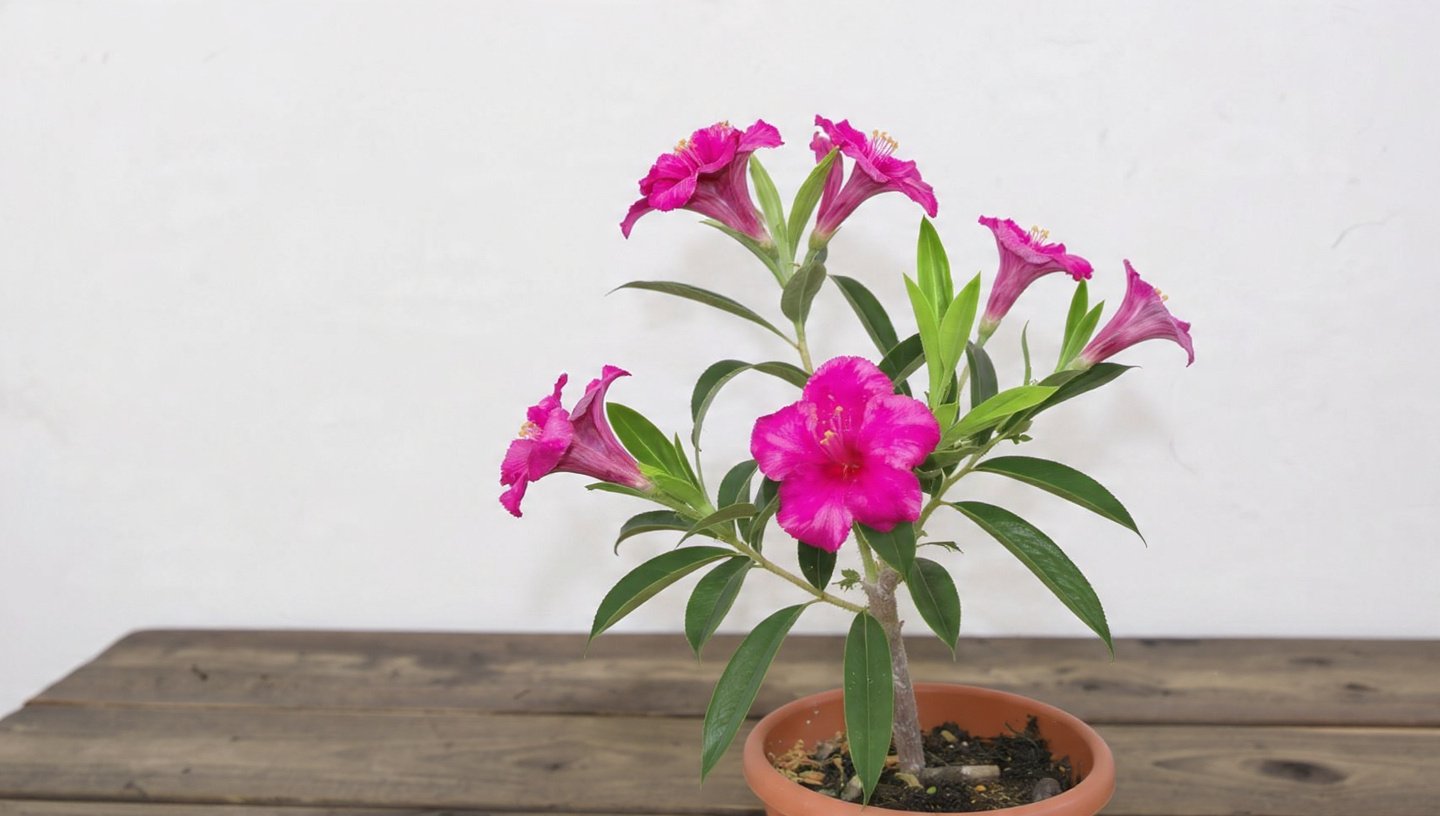
As pet owners, we often focus on creating a safe haven for our furry friends by carefully selecting plants and flowers for our gardens and homes. However, many people are unaware that some of their choices may pose inadvertently serious health risks to pets. One such plant is the Oleander (Nerium oleander), a commonly cultivated ornamental shrub known for its vibrant flowers and lush foliage. Despite its beauty, this plant holds a dark secret: it is highly toxic to pets, including dogs and cats, as well as to humans.
Understanding Oleander: A Brief Overview
Oleander can thrive in various climates and is often seen in gardens, along roadsides, and in landscaping. Its flowers come in shades of pink, white, and red, making it a popular choice. Oleander contains several toxic compounds, the most potent of which are called cardiac glycosides. These toxins are harmful when ingested or, in some cases, even when the plant is handled.
How Oleander Affects Pets
The ingestion of Oleander can lead to severe poisoning in pets. The toxic compounds primarily affect the heart, potentially leading to life-threatening conditions. Symptoms of Oleander poisoning can vary based on the amount consumed but generally include:
- Vomiting
- Diarrhea
- Abdominal pain
- Weakness or lethargy
- Loss of appetite
- Irregular heartbeats
- Seizures
- Death in severe cases
Common Scenarios Leading to Oleander Poisoning
Several situations can lead pets to consume Oleander:
- Curiosity: Pets, especially dogs, are naturally curious and may chew on leaves, flowers, or stems.
- Garden Exploration: Pets allowed to roam outdoors might encounter Oleander in gardens or public spaces.
- Landscaping: If Oleander grows in a garden where pets play, they may accidentally ingest parts of the plant.
Identifying Oleander in Your Surroundings
Recognizing Oleander can help you make better gardening choices. Here are some key characteristics:
- Leaves: Long, narrow, and leathery green leaves that are arranged in a whorled pattern.
- Flowers: Trumpet-shaped flowers that bloom in clusters, available in various colors.
- Size: Oleander is a shrub that can grow up to 20 feet high, making it a prominent landscape feature.
What to Do if Your Pet Ingests Oleander
If you suspect your pet has ingested Oleander, immediate action is critical. Follow these steps:
- Stay Calm: Your pet will need your assistance and focus.
- Assess the Situation: Determine how much of the plant was ingested and observe any symptoms.
- Contact Your Veterinarian: Call your vet or an emergency animal clinic immediately for guidance.
- Do Not Induce Vomiting: Unless directed by a vet, do not attempt to make your pet vomit.
Preventative Measures
To protect your pets from potential poisoning, consider the following strategies:
- Research Plants: Always research plants before bringing them into your home or garden.
- Remove Toxic Plants: If Oleander or other toxic plants are present, consider safely removing them.
- Supervise Outdoor Time: Keep a watchful eye on pets when they are outside, especially in unfamiliar areas.
- Educate Household Members: Make sure everyone in your home understands the dangers of Oleander and other toxic plants.
Conclusion
While Oleander plants can enhance your garden’s beauty with their vibrant colors and lush growth, they hide a serious risk to our beloved pets. Understanding the dangers associated with Oleander and taking proactive steps to eliminate this threat can greatly enhance your pet’s safety. By being vigilant and informed, you can ensure a healthy, happy environment for both your pets and your plants.
FAQs
1. Are Oleander flowers safe for pets?
No, Oleander flowers are not safe for pets. All parts of the plant, including the flowers, are toxic to pets.
2. What symptoms should I look for if I suspect my pet has ingested Oleander?
Symptoms include vomiting, diarrhea, abdominal pain, weakness, loss of appetite, irregular heartbeats, and seizures.
3. How quickly do symptoms appear after ingestion?
Symptoms can appear within a few hours of ingestion, but the time frame may vary depending on the amount consumed.
4. What should I do if I find Oleander in my garden?
Consider removing it to prevent accidental ingestion by pets, and consult a local gardening expert for safe alternatives.
5. Is there a safe way to detoxify my pet after Oleander ingestion?
No, you should not attempt to detoxify your pet at home. Seek immediate veterinary assistance for appropriate care.