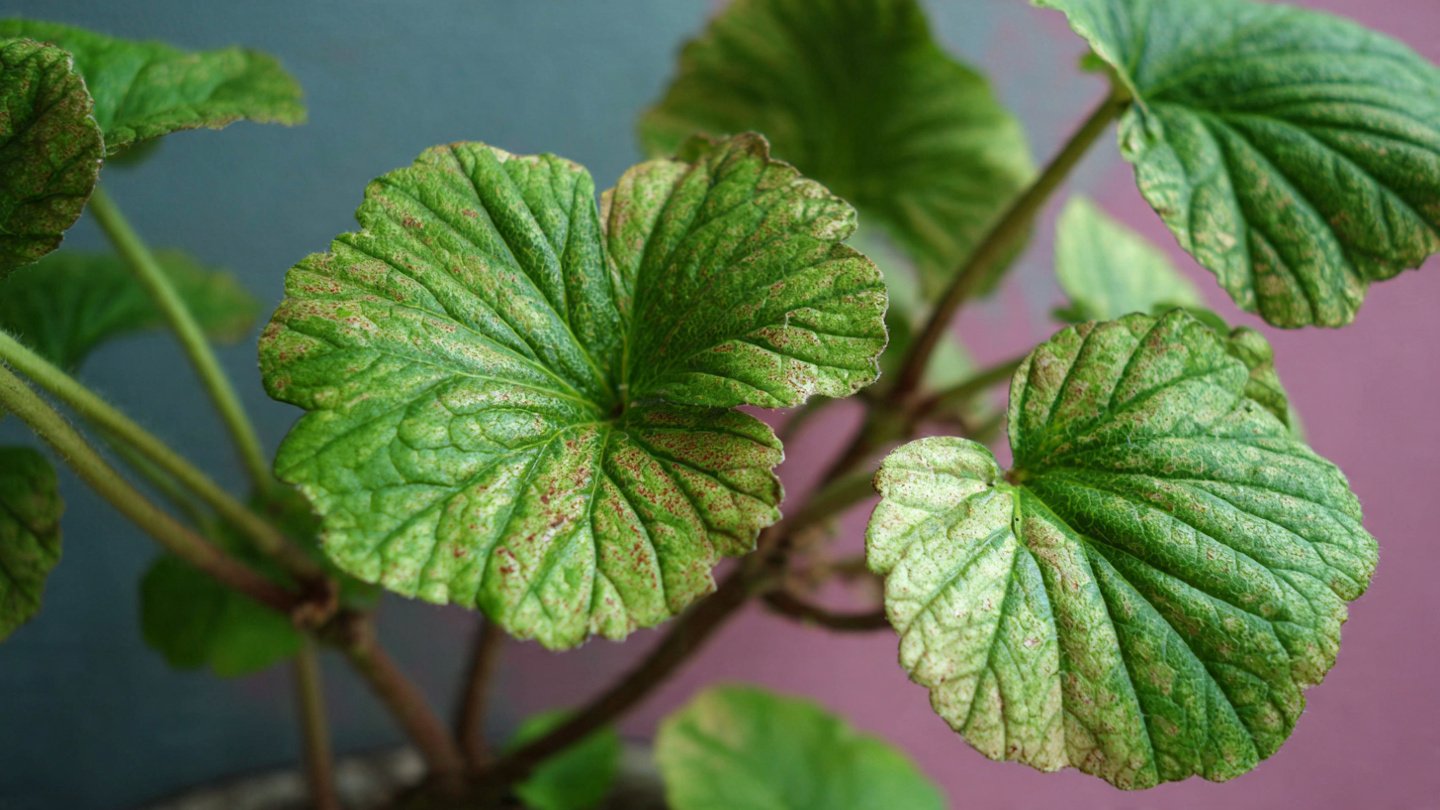
Understanding Hollyhock Rust
Hollyhocks (Alcea rosea) are beloved perennial plants known for their tall, striking flower spikes and lush foliage. Unfortunately, they can be susceptible to rust, a fungal infection characterized by orange or rust-colored spots on the leaves. Understanding the nature of this disease is crucial for effective treatment and prevention.
Identifying Rust Symptoms
Before you can effectively treat rusty spots on your hollyhock leaves, it’s essential to identify the symptoms:
- Spots: Rust appears as small, orange or yellow spots, primarily on the undersides of leaves.
- Yellowing: As the infection progresses, the leaves may turn yellow and become stunted.
- Premature Fall: Infected leaves may fall off prematurely, reducing the plant’s overall health.
Environmental Conditions Favoring Rust
Rust thrives in specific environmental conditions. Understanding these factors can help you prevent and manage outbreaks:
- Humidity: High humidity levels, especially in the spring and fall, create a conducive environment for rust spores to proliferate.
- Poor Air Circulation: Crowded plantings or lack of airflow can increase humidity and create a perfect breeding ground for fungal diseases.
- Moisture: Consistent moisture on the leaves, whether from overhead watering or rainfall, enhances the likelihood of infection.
Effective Treatment Methods
Once you’ve identified rust on your hollyhocks, implementing treatments quickly is vital. Here are several effective methods:
1. Pruning Infected Foliage
Begin your treatment by pruning any heavily infected leaves. This helps prevent the spread of the fungus to healthy parts of the plant. Always use clean, sharp scissors or pruning shears:
- Make cuts at the base of the leaves.
- Dispose of infected leaves in a sealed bag and do not compost them to avoid cross-contamination.
2. Improving Air Circulation
Enhancing air circulation around your hollyhocks can significantly reduce humidity levels:
- Space your plants out appropriately when planting.
- Consider thinning out dense patches to allow good airflow.
3. Watering Techniques
Adopt better watering practices to minimize excess moisture on leaves:
- Water plants at the base rather than overhead to keep foliage dry.
- Water early in the day so any moisture on the leaves can dry out before evening.
4. Fungicidal Treatments
If the infection persists, you may need to use a fungicide. Various organic and chemical options are available:
- Organic options: Neem oil and sulfur-based fungicides can be effective against rust.
- Chemical options: Products containing chlorothalonil or azoxystrobin can also provide control.
- Always follow the manufacturer’s instructions for application rates and safety precautions.
Preventive Measures
Prevention is always better than treatment. Here are effective preventive measures to keep your hollyhocks healthy and rust-free:
- Choose Resistant Varieties: When selecting hollyhocks, consider planting rust-resistant cultivars.
- Promote Healthy Soil: Use well-draining soil and consider incorporating organic compost to ensure robust plant growth.
- Regular Monitoring: Check your plants regularly for early signs of infection, allowing you to act swiftly.
- Crop Rotation: If growing hollyhocks in the same space each year, consider rotating with other plants to disrupt the life cycle of rust spores.
Conclusion
Treating rusty spots on hollyhock leaves requires a combination of prompt action and preventive strategies. By understanding the symptoms, creating a less hospitable environment for rust, and applying effective treatments, you can restore the health of your hollyhocks. Remember, healthy practices and vigilance are key to enjoying beautiful, resilient blooms.
FAQs
1. Can I use any fungicide for treating hollyhock rust?
No, not all fungicides are suitable for hollyhock rust. Always read labels and choose products specifically designed for controlling rust or similar fungal diseases.
2. How often should I apply fungicide for effective treatment?
This depends on the product used. Generally, fungicides should be applied every 7-14 days, but follow the instructions on the label for your specific fungicide.
3. Is hollyhock rust harmful to other plants in my garden?
Hollyhock rust is mostly specific to hollyhocks and some related plants. However, maintaining good garden hygiene and monitoring other plants are always good practices.
4. Can hollyhocks recover from severe rust infections?
Yes, with timely removal of infected leaves and proper care, hollyhocks can recover from rust infections. Early action is critical for the best outcomes.