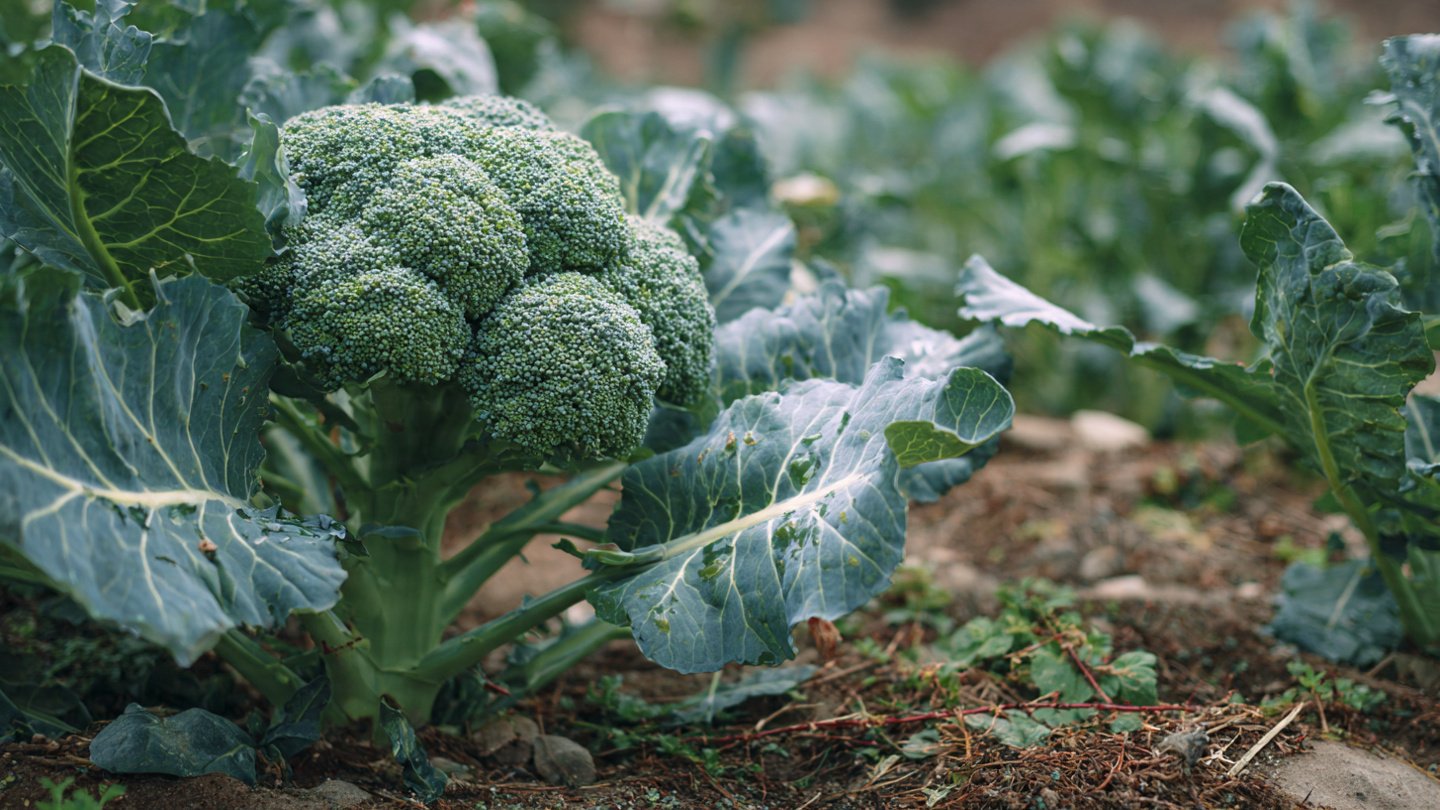
Growing broccoli can be a rewarding endeavor, especially when you can harvest large, succulent heads even in warmer climates. One of the biggest challenges faced by gardeners is preventing broccoli from “bolting,” a term that refers to the premature flowering of the plant, which often leads to a bitter taste and a significant decrease in head size. The good news is that there are several strategies you can implement to grow massive broccoli that can thrive in the heat without bolting.
Choosing the Right Variety
The first step to successful broccoli cultivation in warm weather is selecting the right variety. Some broccoli varieties are specifically bred to tolerate heat. Here are some options:
- Green Goliath: Known for its heat resistance, this variety can produce large heads even in warm temperatures.
- Broccoli Raab: Also known as rapini, this variety is more tolerant of heat and focuses on shooting up flowers, which can be harvested early.
- Early Seasonal Varieties: Varieties like ‘Early Dividend’ can mature quickly, allowing you to get a harvest before summer heats fully arrive.
Timing Your Planting
Proper timing can significantly influence your success in growing broccoli without it bolting. Generally, broccoli is a cool-weather crop, but with the right planning, you can reap rewards even in summer. Follow these guidelines for optimal planting:
- Start Early: Begin by starting seeds indoors about 6 to 8 weeks before the last frost date. Transplant the seedlings outdoors as soon as they can handle the temperature.
- Fall Planting: If summer temperatures soar in your area, consider planting a second crop in late summer for a fall harvest. During this period, conditions are more favorable for broccoli growth.
Soil Preparation
Healthy soil is the foundation for robust broccoli plants. Following these steps can create the perfect environment:
- Soil Quality: Aim for well-drained, loamy soil enriched with organic matter. The ideal soil pH for broccoli is between 6.0 and 7.0.
- Amendments: Incorporate compost or well-rotted manure into the soil to improve nutrient content. This helps promote healthy growth and resists disease.
Watering Techniques
Watering is a critical factor in temperature regulation for your broccoli plants. Here are some effective watering strategies:
- Consistent Moisture: Ensure that your plants receive consistent moisture. Broccoli requires about an inch of water per week, particularly during dry spells.
- Mulching: Applying a layer of organic mulch can help retain moisture in the soil while also regulating temperature.
- Drip Irrigation: This method minimizes water loss and provides a steady supply of moisture directly to the roots, reducing stress on plants.
Temperature Control and Shade
Extreme heat can trigger bolting in broccoli, so implementing techniques to keep temperatures down is vital:
- Shade Cloth: Using shade cloth can effectively reduce temperature exposure. Aim for a cloth that provides 30-50% shade for optimal protection.
- Intercropping: Planting broccoli alongside taller crops, such as corn, can offer natural shade to prevent overheating.
Fertilization
Broccoli is a nutrient-demanding crop, so proper fertilization is essential for massive growth:
- Nitrogen Requirements: A high-nitrogen fertilizer works well in early growth stages. Switch to a balanced fertilizer as heads begin to form.
- Liquid Fertilizers: Consider using liquid fertilizers or foliar feeding to provide immediate nutrients during critical growth stages.
Pest Control and Disease Management
In warmer climates, pests may become more prevalent, posing risks to your broccoli crop. Employ these strategies to mitigate risks:
- Companion Planting: Introduce companion plants like marigolds to keep pests at bay and enhance growth.
- Natural Pesticides: Use organic pesticides like neem oil or insecticidal soap to control infestations without harming beneficial insects.
Harvesting Techniques
Knowing the right time to harvest broccoli is essential for maximizing size and flavor:
- Head Development: Harvest broccoli when the heads are tight and compact, ideally before the flowers begin to open.
- Cutting Technique: Use a sharp knife to cut the central head, leaving a few inches of stem. Side shoots may continue to develop, giving you a longer harvest period.
Conclusion
Growing massive broccoli in heat without bolting is achievable with the right variety, planting schedule, and gardening practices. By following these tips—such as selecting heat-tolerant strains, preparing nutrient-rich soil, watering diligently, and employing pest management strategies—you can enjoy abundant harvests even in sweltering conditions. Remember, your commitment to caring for your plants will reward you with succulent, flavorful broccoli that thrives in any heat.
FAQs
1. What causes broccoli to bolt?
Broccoli bolts primarily due to stress conditions, such as excessive heat or insufficient water. When plants sense unfavorable conditions, they may prioritize reproduction over growth.
2. Can I grow broccoli in containers?
Yes, broccoli can be grown in containers as long as they are deep enough to accommodate the root system. Ensure proper drainage and use quality potting soil for best results.
3. Is it too late to plant broccoli in the summer?
It depends on your local climate and frost dates. Late summer or early fall planting is often suitable for warmer climates where you can harvest before the cold returns.
4. How often should I fertilize my broccoli?
Fertilization schedules can vary, but generally, broccoli should be fertilized every 4-6 weeks during the growing season, especially in the early stages.
5. How can I tell if my broccoli is ready to harvest?
Harvest when heads are tight and firm. If you see yellow flowers starting to form, it is time to cut the central head to prevent bitterness.