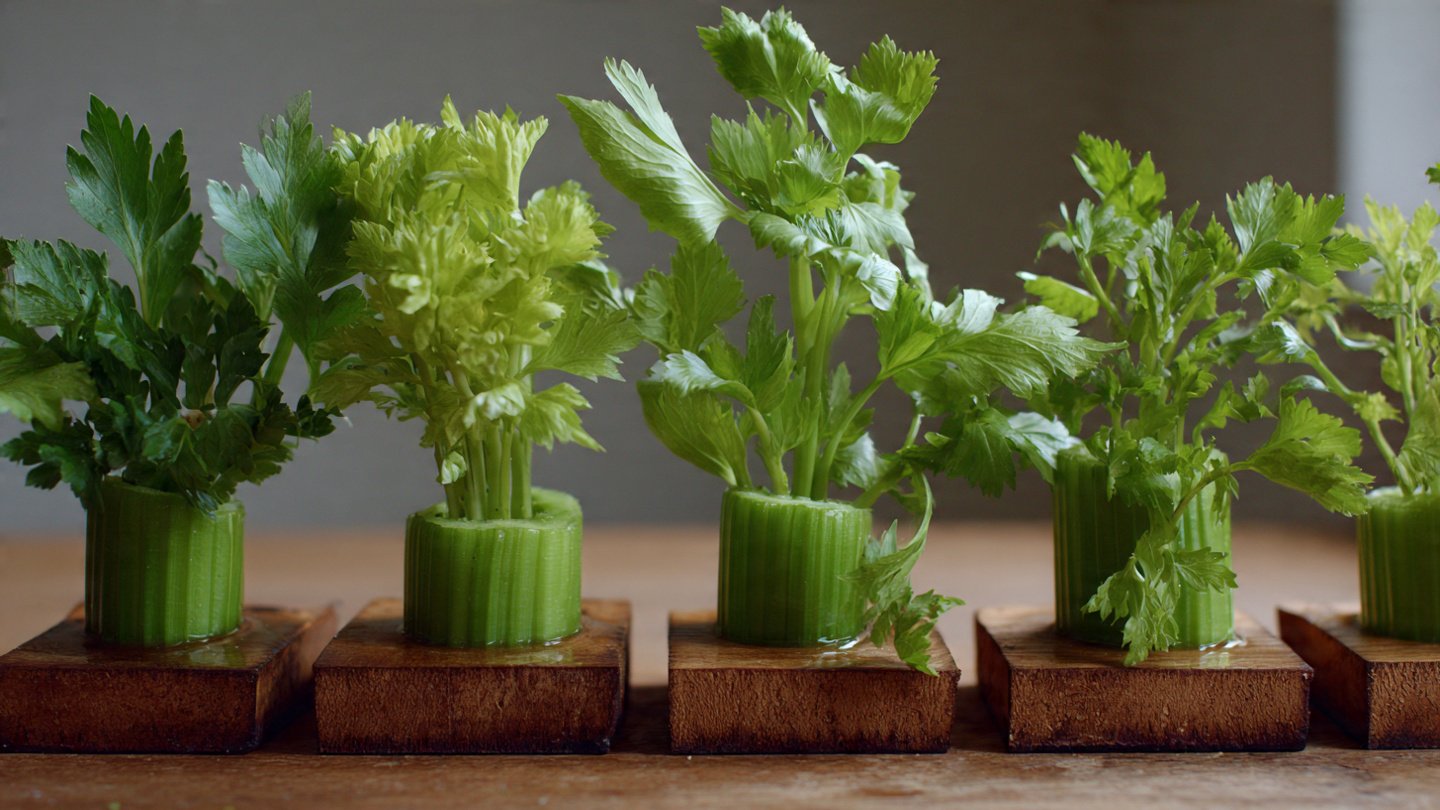
Gardening can be one of the most satisfying activities, especially when you can grow your own food. One surprising way to start your gardening journey is by using grocery store produce, such as celery. Not only is celery a versatile vegetable, but it also has the ability to regenerate itself when appropriately cared for. In this article, we will discuss how you can transform supermarket celery stalks into a thriving garden of your own.
Understanding Celery Anatomy
Before diving into the transformation process, it is essential to understand the anatomy of celery. Celery (Apium graveolens) belongs to the Apiaceae family and is primarily composed of:
- Stalks: Crunchy and fibrous, the stalks are the edible part of the plant.
- Leaves: These are used as garnishes and have a robust flavor.
- Roots: While not commonly consumed, they are crucial for plant growth.
Choosing the Right Celery Stalks
To successfully grow celery from grocery store stalks, you should select the right ones. Look for stalks that are fresh with vibrant green leaves and firm, unblemished stems. Avoid stalks that appear limp or discolored, as they are less likely to root successfully.
Steps to Regrow Celery Stalks
1. Preparing the Celery Stalks
Begin by cutting off the base of the celery stalks about two inches from the bottom. Ensure that each piece has a small section of the stem, which will help in the rooting process.
2. Water Method
Place the cut end of the celery stalks in a shallow dish with enough water to cover the base, but not the entire stalk. This allows the plant to absorb moisture while setting the stage for root development.
3. Light and Temperature
Position the dish in a location that receives plenty of natural light, such as a sunny windowsill. Celery thrives in bright light. Additionally, maintain a room temperature between 60-70°F (15-21°C) for optimal growth.
4. Changing the Water
Change the water in the dish every 2-3 days to keep it clean and oxygenated. This practice prevents mold and bacteria, promoting healthier root growth.
5. Transplanting to Soil
After about 1-2 weeks, you should begin to notice roots growing from the base of the celery stalks. Once the roots are 2-3 inches long, transfer them to a pot filled with rich, well-draining potting soil. Plant them into the soil, leaving some of the stalks exposed above the surface.
6. Watering and Fertilizing
Water the celery plants lightly after transplanting to help settle the soil around the roots. Celery loves moisture, so keep the soil consistently damp but not waterlogged. You can also fertilize with a balanced liquid fertilizer every 4-6 weeks to encourage growth.
7. Sunlight and Care
Continue to provide plenty of sunlight throughout the day. Ideal conditions for celery growth include full sun in the morning with some shade in the hotter afternoon hours. Keep an eye out for pests and diseases, and ensure to provide adequate ventilation.
Harvesting Your Celery
Celery can take anywhere from 90 to 120 days to reach maturity. When harvesting, you can cut the outer stalks at the base while allowing the inner stalks to continue growing. This method not only provides a sustainable way to consume celery but also encourages continuous growth.
Additional Tips for Growing Celery
- Pest management: Regularly check for common pests such as aphids and slugs. Use natural pest deterrents where possible.
- Spacing: If growing multiple plants, allow for sufficient space between them for proper air circulation.
- Season: Celery prefers cooler temperatures, so consider planting it during early spring or late summer for optimal results.
Conclusion
Transforming grocery store celery stalks into a thriving garden is not only possible but also a fantastic way to start your gardening adventure. By understanding the anatomy of the plant and following the outlined steps, you can successfully grow celery right in your home. Not only will you enjoy the fruits of your labor, but you will also contribute positively to the environment by reducing food waste. So the next time you buy celery, consider giving it a new life in your garden!
FAQs
1. How long does it take to regrow celery from stalks?
It typically takes about 1-2 weeks for roots to develop, and the celery plant can take anywhere from 90 to 120 days to reach maturity for harvest.
2. Can I regrow other vegetables from grocery store scraps?
Yes! Many vegetables, such as green onions, lettuce, and bok choy, can also be regrown from kitchen scraps using similar methods.
3. What type of soil is best for growing celery?
Celery thrives in rich, organic, well-draining potting soil. Adding compost can enhance soil quality and provide essential nutrients.
4. Is it necessary to use fertilizer for celery plants?
While it’s not strictly necessary, using a balanced fertilizer every 4-6 weeks can help enhance growth and provide the nutrients celery needs.
5. How much sunlight does celery need?
Celery prefers full sun but benefits from some afternoon shade, particularly in hotter climates. Ideally, it should get at least 6 hours of sunlight per day.