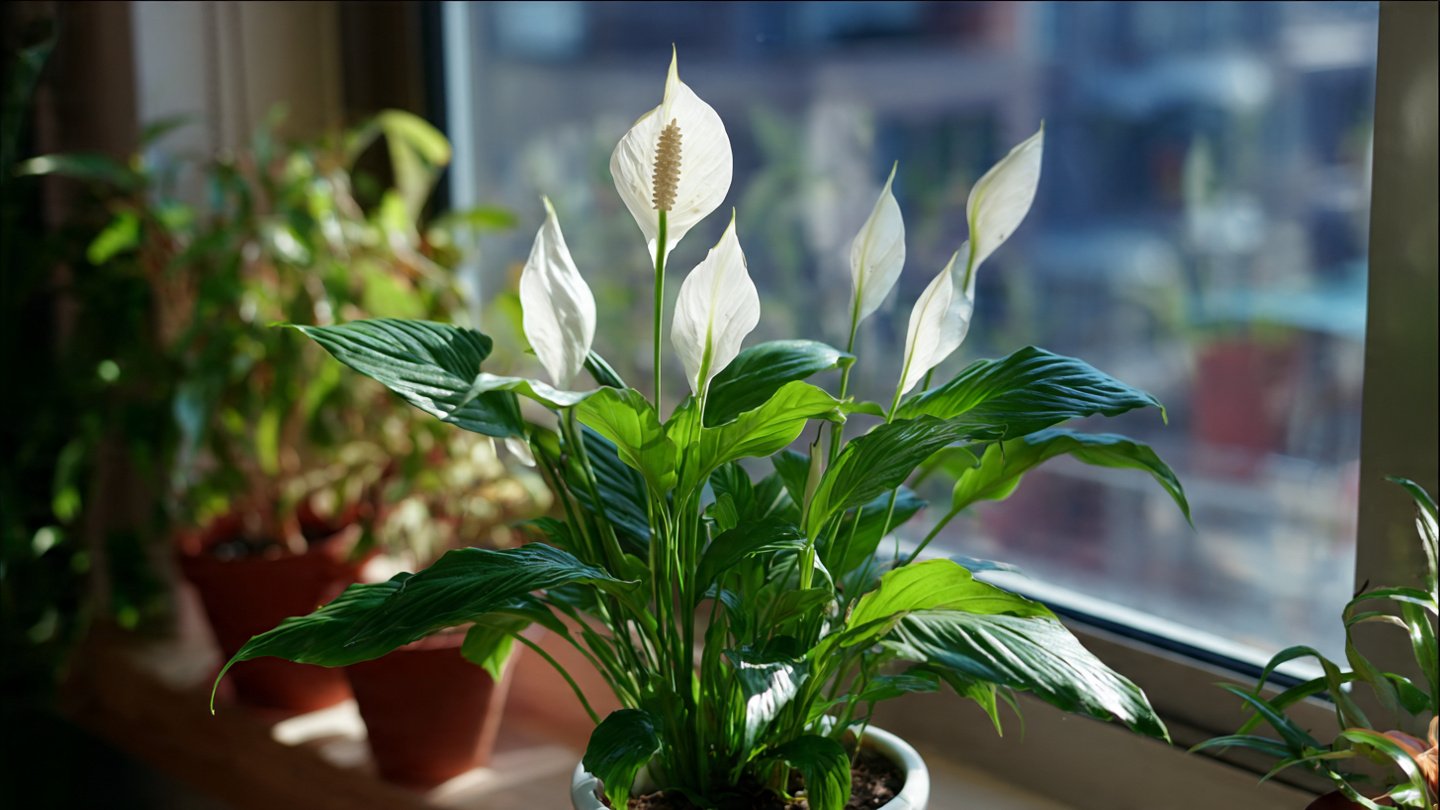
The Peace Lily (Spathiphyllum) is a popular houseplant recognized for its beautiful white blooms and lush green foliage. However, its appeal goes beyond aesthetics; this plant is also an invaluable tool for understanding the needs of your other houseplants. In this article, we will explore how the state of your Peace Lily can serve as an indicator of your plant care strategies, helping you provide the ultimate environment for all your plants.
What Makes the Peace Lily Special?
The Peace Lily is not just a pretty face; it also has some remarkable characteristics:
- Air Purification: Peace Lilies are known for their ability to filter harmful toxins from the air.
- Low Light Tolerance: They thrive in low-light conditions, making them perfect for less-than-sunny rooms.
- Humidity Indicator: Being native to tropical regions, they thrive in humid conditions and are sensitive to changes in moisture levels.
These traits make the Peace Lily a wonderful houseplant, but they also set the stage for understanding the broader needs of your indoor garden.
Observing Your Peace Lily: Signs and Signals
When it comes to plant care, the Peace Lily can give you hints about what might be lacking or what adjustments might be needed in your overall plant care regimen. Here are key signs to observe:
1. Wilting Leaves
Wilting leaves can indicate underwatering or overwatering. If your Peace Lily is drooping, check the soil moisture. Stick your finger about an inch deep into the soil—if it feels dry, it’s time to water; if it’s soggy, hold off for a bit.
2. Yellowing Leaves
Yellow leaves are often a sign of nutrient deficiency and can also occur due to overwatering. If the tips of the leaves are browning, it may indicate that the plant is getting too much fertilizer. Adjust your feeding schedule accordingly.
3. Poor Growth
If your Peace Lily isn’t blooming or growing as it should, it might need more light. Although they thrive in low light, these plants do require some indirect sunlight to flourish. If you notice stagnation, experiment with moving it closer to a window during non-peak hours.
4. Pest Issues
Common pests, such as spider mites and aphids, love houseplants. If you notice any tiny bugs or webbing on your Peace Lily, it might be time to inspect your other plants. Pests often proliferate under similar environmental conditions.
The Interconnectedness of Plant Care
When you monitor your Peace Lily, remember that its health can reflect the conditions of your indoor garden as a whole. Here’s how:
1. Soil Quality
The soil you use for your Peace Lily should be well-draining and rich in organic material. If you notice poor growth or disease signs, consider the soil quality you’re using across all your plants. Signs of soil compaction or depleted nutrients can signal a need for re-potting or amending your soil mix.
2. Watering Practices
Overwatering and underwatering are common mistakes in plant care. If your Peace Lily shows signs of stress, it may indicate that your other plants are facing similar watering challenges. Standardize your watering schedule based on the needs of your most sensitive plants. Aim for consistency!
3. Humidity Levels
Peace Lilies thrive in humidity levels of 40%–60%. If your Peace Lily is struggling, it may be a sign that your indoor climate is too dry—a common issue in winter months. Consider investing in a humidifier or misting your plants to create a more suitable environment for plant growth.
4. Light Conditions
The needs of your Peace Lily concerning light can also shine a light on your other plants’ environment. If your Peace Lily is showing signs of stress, assess light exposure for all of your plants. Some might need more indirect sunlight, while others may prefer conditions similar to the Peace Lily.
Tips for Caring for Your Peace Lily
Ensuring your Peace Lily thrives can help you understand the needs of your entire indoor garden:
- Regularly Inspect: Make it a habit to look over your Peace Lily and other plants regularly. Early detection of any issues can help prevent bigger problems.
- Consistent Watering: Create a watering schedule that takes into account seasonal changes affecting humidity and temperature.
- Balanced Fertilization: Use a balanced, mild fertilizer during the growing season. Monitor your Peace Lily and adjust your fertilization practices accordingly.
- Repot When Necessary: If your Peace Lily becomes root-bound or shows signs of poor growth, consider repotting in fresh, suitable soil.
Conclusion
The Peace Lily serves not only as a beautiful addition to your indoor space but also as a valuable diagnostic tool. By paying close attention to its signs and needs, you can better understand what your plants—big and small—truly require for optimal growth. The interconnectedness of plant care emphasizes that the health of one plant can mirror the conditions affecting others, making it crucial to monitor all your houseplants collectively.
Regular care and observation of your Peace Lily can lead to a flourishing indoor garden that thrives in harmony. Utilize these signs and strategies to enhance your plant care routine and ensure your botanical companions are living their best lives.
FAQs
Q: How often should I water my Peace Lily?
A: Water your Peace Lily when the soil feels dry to the touch, usually every 1-2 weeks, depending on humidity and temperature.
Q: Why are the leaves on my Peace Lily turning yellow?
A: Yellowing leaves can indicate overwatering, underwatering, or nutrient deficiencies. Check the watering schedule and consider the soil quality.
Q: Can I keep my Peace Lily in low light?
A: Yes, Peace Lilies can tolerate low light, but they thrive in indirect sunlight. Adjust placement based on their symptoms.
Q: How can I boost humidity for my Peace Lily?
A: Use a humidifier, place a tray of water near the plant, or mist the leaves regularly to enhance humidity around your Peace Lily.