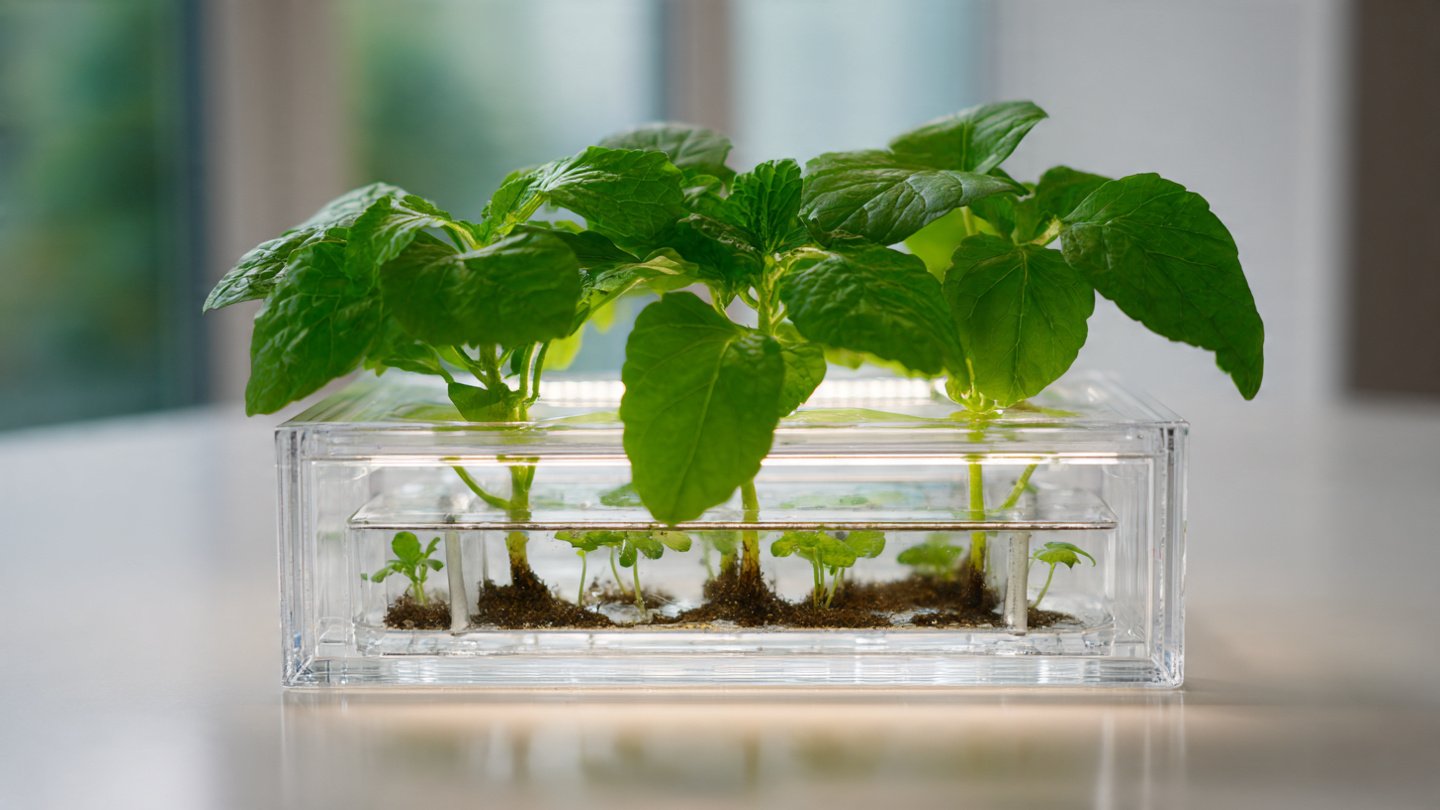
The art of gardening has evolved significantly over the years, moving from traditional methods to innovative techniques that enhance plant growth and sustainability. Home tissue culture kits are becoming increasingly popular among gardening enthusiasts, allowing individuals to propagate plants in a sterile environment, similar to the methods used in professional laboratories. This article explores how home tissue culture kits can revolutionize gardening by providing greater plant variety, improving disease resistance, and fostering environmental sustainability.
What is Tissue Culture?
Tissue culture, also known as micropropagation, is a technique used to grow plants from cells or tissues in a controlled, sterile environment. This method not only allows for the rapid multiplication of plants but also the cultivation of species that are hard to propagate through traditional methods. It involves isolating a part of a plant, such as a leaf or stem, and placing it in a nutrient-rich growth medium under sterile conditions.
The Benefits of Home Tissue Culture Kits
Home tissue culture kits offer numerous advantages for both novice and experienced gardeners. Here are some key benefits:
- Increased Plant Production: Home tissue culture kits enable the rapid production of multiple clones of a single plant, significantly increasing plant yield in a shorter timeframe.
- Better Quality Plants: The sterile conditions of tissue culture reduce the risk of disease and pests, resulting in healthier, more robust plants.
- Access to Rare Varieties: Gardeners can cultivate rare or hard-to-find plant varieties that might not be available in local nurseries.
- Space Efficiency: These kits can be used in small spaces, making them ideal for urban gardeners with limited room.
- Sustainable Practices: Tissue culture can contribute to more sustainable gardening practices by reducing the need for chemical treatments and promoting biodiversity.
How Home Tissue Culture Kits Work
Home tissue culture kits are designed to simplify the micropropagation process, making it accessible to everyone. Here’s a brief overview of how they work:
- Selection of Plant Material: Begin by selecting a healthy plant from which you wish to propagate. This can be a stem, leaf, or flower bud.
- Preparation of Growth Medium: The kit typically includes a nutrient-rich gel medium that supports the growth of plant cells. This medium is prepared by mixing the provided components according to the instructions.
- Sterilization: Sterilizing tools and materials is essential to prevent contamination. This usually involves using a bleach solution or alcohol wipes.
- Inoculation: Inoculate the growth medium with the selected plant material, ensuring that it is placed in a sterile manner.
- Incubation: Place the inoculated medium in a suitable environment, usually in a greenhouse or in controlled room conditions, with adequate light and temperature.
- Transplanting: Once the plantlets have developed, they can be carefully transplanted into larger pots or directly into the garden.
Applications in Gardening
Home tissue culture kits can be used to cultivate a wide variety of plants, ranging from flowering plants to fruit-bearing trees. Here are some common applications:
- Ornamental Plants: Create stunning flower gardens or indoor arrangements with rare orchids or exotic plants.
- Vegetable Gardening: Grow disease-resistant varieties of vegetables, ensuring a consistent and healthy harvest.
- Herb Cultivation: Preserve the vitality of culinary herbs by propagating your preferred species, from basil to rosemary.
- Fruit Trees: Produce high-quality clones of your favorite fruit trees, optimizing for specific growing conditions or diseases.
Challenges and Considerations
While home tissue culture kits present exciting advancements, there are certain challenges to consider:
- Initial Learning Curve: New users may face difficulties understanding the procedures and techniques necessary for successful propagation.
- Contamination Risks: Without careful sterilization, there is a risk of contamination that could affect plant growth.
- Equipment and Materials: Some kits can be costly, and additional supplies may be necessary, depending on the types of plants being propagated.
Case Studies: Success Stories in Home Tissue Culture
Many gardeners have embraced home tissue culture kits and experienced remarkable success. Here are a couple of case studies highlighting these successes:
Case Study 1: Urban Gardener’s Delight
A 45-year-old urban gardener from Portland began using a home tissue culture kit to propagate rare orchids. Initially struggling with traditional propagation methods, she found success within the first few attempts of tissue culture. Now, she has transformed her tiny balcony into a vibrant orchid sanctuary, showcasing over 15 different species.
Case Study 2: Family Farming
A family in rural Georgia utilized a home tissue culture kit to propagate a strain of heirloom tomatoes resistant to common diseases. After successfully creating a robust crop, they shared their knowledge with neighbors, leading to a community initiative focused on sustainable agriculture practices.
The Future of Gardening: Environmental Impact
As gardening shifts towards more sustainable practices, home tissue culture kits may play a crucial role in this transition. Here are some potential environmental benefits:
- Reduction of Chemical Use: By producing disease-resistant plants, gardeners can limit pesticide and herbicide applications.
- Preservation of Biodiversity: Home tissue culture allows for the cultivation of endangered species, aiding in biodiversity conservation.
- Urban Greening: With minimal space and resources, urban dwellers can cultivate greenery, contributing to cleaner air and improved urban environments.
Conclusion
In conclusion, home tissue culture kits have the potential to revolutionize gardening by enabling individuals to cultivate a diverse range of plants with greater efficiency and resilience. As garden enthusiasts learn to harness these innovative methods, we can expect a positive shift towards sustainability in gardening practices. Whether you are a novice gardener or an experienced horticulturist, these kits can unlock new possibilities and enhance your gardening experience, making it more rewarding and environmentally friendly. With the rise of home tissue culture, the future of gardening looks bright and filled with promise.
Frequently Asked Questions (FAQs)
1. Can anyone use home tissue culture kits?
Yes, home tissue culture kits are designed for both beginners and experienced gardeners, though there may be a learning curve for new users.
2. How expensive are home tissue culture kits?
Prices vary based on the complexity of the kit and included materials, typically ranging from $30 to $150.
3. Are there specific plants that are better suited for home tissue culture?
Generally, many plants can be propagated through tissue culture; however, common choices include orchids, herbs, vegetables, and some fruit trees.
4. How long does it take to see results?
Results can vary, but typically, it may take several weeks to a few months to see mature plantlets ready for transplanting.
5. What are the risks of contamination in tissue culture?
Contamination can occur if sterilization procedures are not followed properly. It is crucial to use sterile materials and work in clean environments.
6. Do I need special equipment to use these kits?
Most home tissue culture kits come with the necessary tools, but additional items like a sterilizer or laminar flow hood may enhance results.