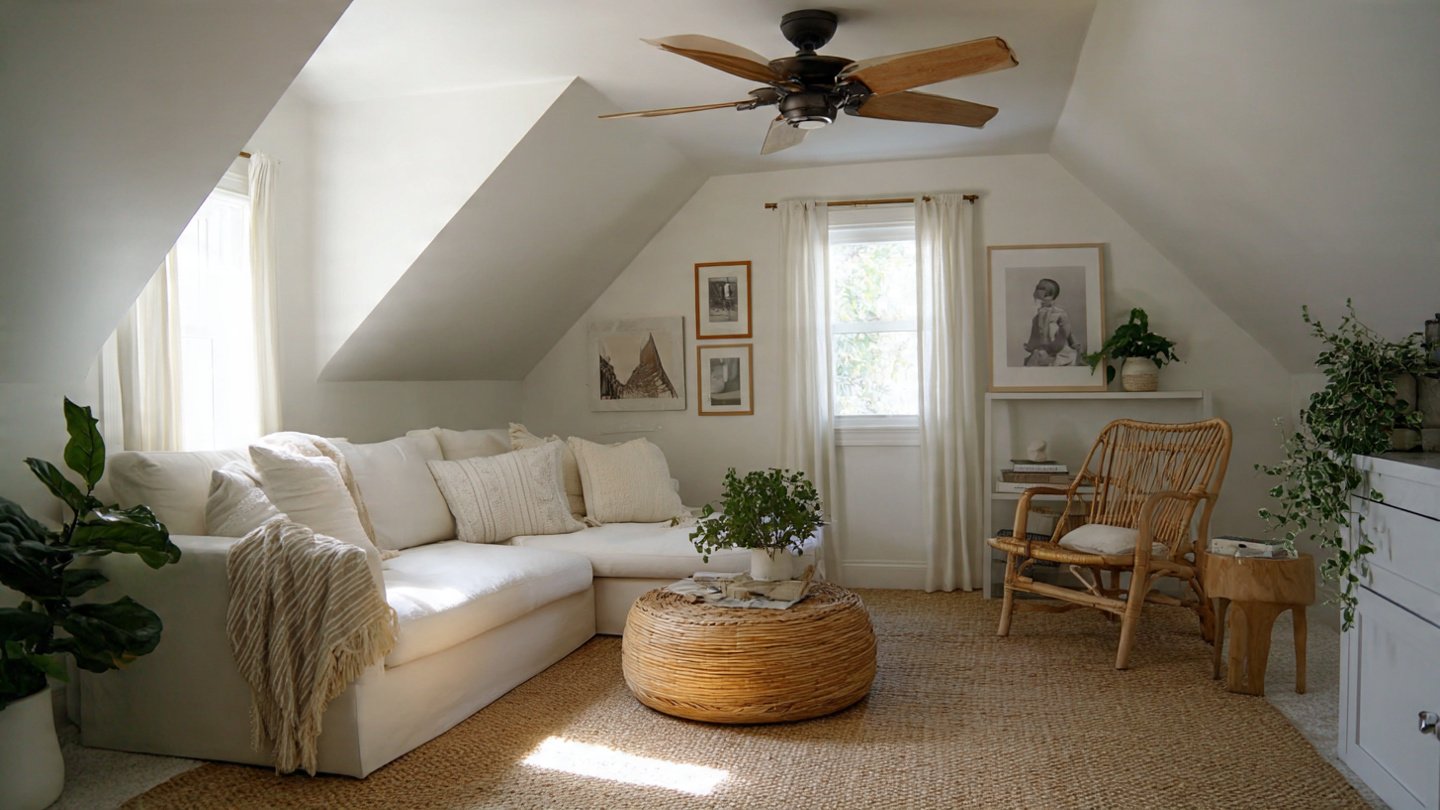
Dealing with low ceilings can often be a challenge in interior design. Homeowners frequently find themselves stuck with spaces that feel cramped and uncomfortable due to their height restrictions. However, there is a simple decor trick that can transform the perception of any room: vertical lines. By effectively utilizing this straightforward design concept, you can create an illusion of height that makes your space feel more open and airy.
The Psychology of Space
Before diving into vertical lines and decor strategies, it’s essential to understand the psychology behind space perception. Our brains interpret height, depth, and volume visually, and certain elements can either enhance or diminish our perception of these dimensions. Low ceilings can make a room feel restrictive, but using design elements to draw the eye upward can counteract this effect.
Vertical Lines: The Game Changer
Vertical lines are a powerful visual tool that can dramatically alter the atmosphere of a room. Here’s a breakdown of how you can implement this trick through various interior design aspects:
1. Wall Treatments
Painting walls with vertical stripes is one effective way to emphasize height. Opt for a lighter color for the base and a slightly darker hue for the stripes. This contrast will naturally draw the eye upwards, creating the illusion that the ceiling is higher than it actually is.
2. Tall Furniture
Incorporate tall furniture pieces such as bookshelves, cabinets, or statement armoires. These items draw attention upwards and create a sense of vertical continuity. Ensure that the furniture is proportionate to the room to prevent it from overwhelming the space.
3. Curtains and Drapes
Hanging curtains close to the ceiling and allowing them to be long enough to just skim the floor can elongate the appearance of the walls. This trick creates the visual impression of taller windows and ceilings overall. Aim for solid colors or subtle patterns that complement your existing decor.
4. Lighting Fixtures
Choosing drop lighting or vertical wall sconces can also help reinforce vertical lines in your design. Opt for fixtures that are elongated or have a hanging component, steering clear of wide or overly horizontal designs that may close off the room visually.
5. Art and Decor
Introduce art pieces and mirrors that incorporate vertical lines or shapes. A tall, narrow mirror can reflect light and create depth, while vertical artwork can maintain the upward visual flow. This not only enhances height but adds character to your decor.
6. Flooring Choices
The direction of your flooring can also influence perceptions of height. Opt for tiles or planks that run lengthwise in the room to guide the eye along the length, promoting a feeling of spaciousness. Avoid patterns that create a cluttered impression.
Color Schemes
Beyond vertical lines, color choices play a crucial role in how a space feels. Light and neutral tones can create a more open ambiance, while darker hues tend to make spaces feel cozier but can also emphasize low ceilings. Here are some color strategies to consider:
1. Light Colors
Using a good mix of light colors on walls, ceilings, and trim can create a sense of continuity and expansiveness. White, light grey, pastel hues, or soft earth tones can all contribute to the illusion of height.
2. Accent Walls
If you’re keen on adding depth, consider creating an accent wall with a deeper color that extends vertically. This can anchor the space and simultaneously add an illusion of height when paired with vertical accents.
Embrace Minimalism
Another effective approach to enhancing the perception of height in your space is through a minimalist design. By reducing clutter and maintaining clean lines, the eye can move freely around the room without distraction, making it feel more spacious and open. Here are some tips:
1. Declutter
Get rid of unnecessary items and keep surfaces clear. This will not only create a cleaner look but will make the ceilings feel less constrained.
2. Streamlined Furniture
Choose sleek, low-profile furniture that does not overpower the space. Less bulky pieces help maintain an open atmosphere and draw the eye upward.
The Power of Mirrors
Mirrors are a classic design element that can amplify the illusion of height in any room. They reflect light, which brightens the space and helps create a feeling of depth. Consider placing a large mirror opposite a window to reflect natural light and contribute to the overall airy feel of the room.
Conclusion
Transforming a low ceiling into a space that feels ten feet tall is not solely a matter of architectural modification; often, simple decor tricks can accomplish the same goal. Vertical lines, strategic furniture choice, light color schemes, and minimalistic design can all work together to create a seamless illusion of height. By rethinking your approach to your decor, you can significantly enhance the overall sense of spaciousness in your home, thus yielding a more comfortable and inviting environment. Remember, sometimes small changes can lead to significant transformations.
FAQs
1. Can I use dark colors in a low-ceiling room?
Yes, but it’s essential to balance dark colors with ample lighting and vertical elements to avoid making the room feel smaller. Incorporating dark colors on an accent wall with vertical décor can work effectively.
2. How high should I hang my curtains to create the illusion of height?
For the best effect, hang curtains at least a few inches from the ceiling and let them extend down to the floor. This elongates your walls and makes the room feel taller.
3. What kind of lighting works best for low ceilings?
Opt for flush-mounted or semi-flush mounted ceiling lights, wall sconces, or pendant lights that hang low without overwhelming the space. Choose fixtures with vertical lines for added effect.
4. Are there any furniture styles to avoid in low-ceiling rooms?
Avoid overly bulky or broad furniture that can crowd the room. Select slim, streamlined pieces that emphasize vertical lines to keep the area feeling spacious.
5. Can I use wallpaper in a low-ceiling room?
Yes, but it’s advisable to choose wallpaper with vertical designs. Avoid busy patterns that might visually interrupt the upward flow and make the ceiling feel lower.