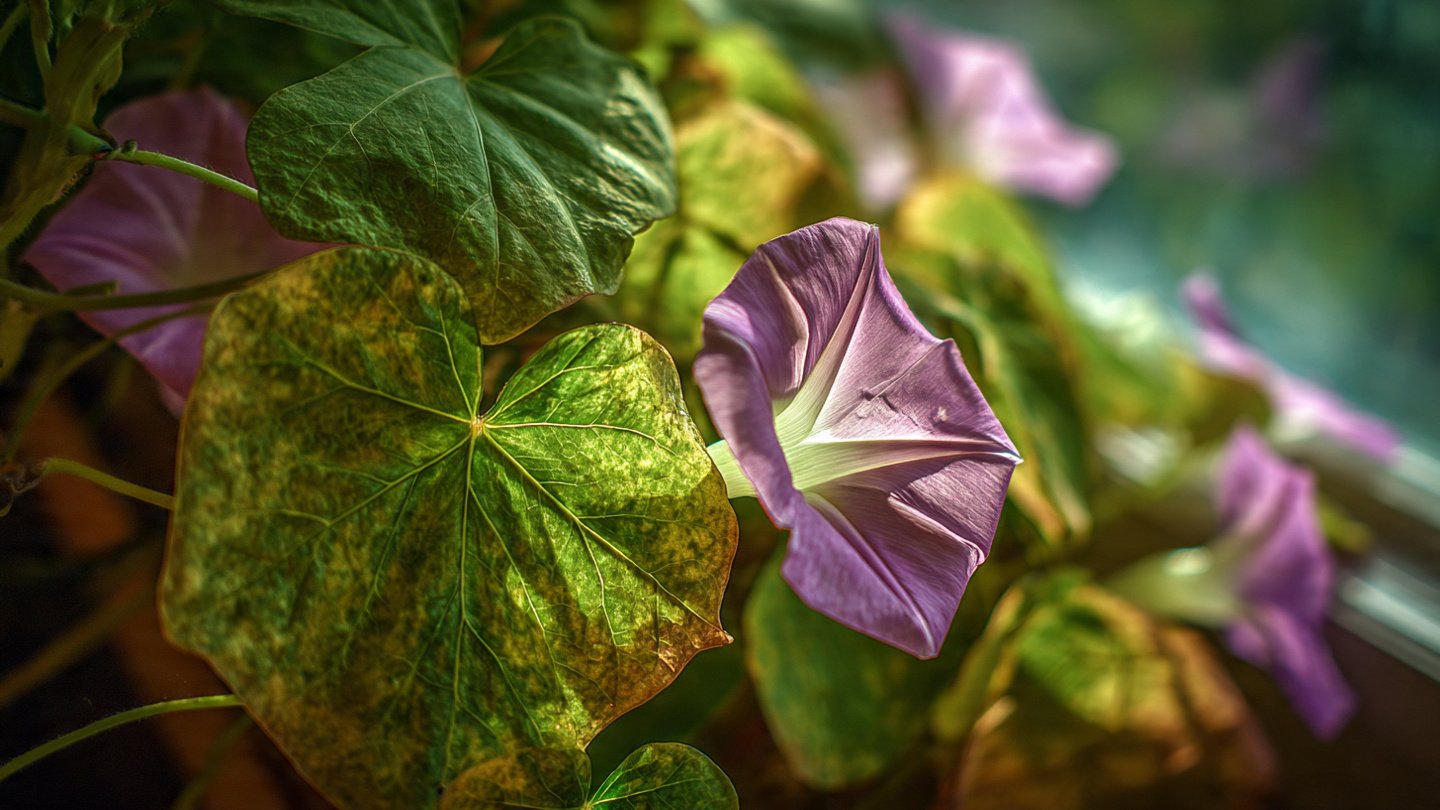
Morning glories are vibrant flowering plants that grace many gardens and landscapes with their beautiful blooms and lush foliage. However, one common issue that gardeners face is the wilting of morning glory leaves during the sweltering afternoon heat. This phenomenon can be both distressing and puzzling, but understanding its causes can help you take the necessary steps to maintain a healthy plant.
Understanding Morning Glory Plants
Morning glories belong to the Convolvulaceae family and are known for their heart-shaped leaves and trumpet-like flowers. They thrive in warm climates and bloom throughout the summer. However, their rapid growth and delicate structure make them susceptible to environmental stresses, especially extreme temperatures.
Causes of Wilting in Afternoon Heat
Wilting in morning glories during the afternoon heat can be attributed to several factors, including:
1. Water Stress
One of the most common reasons for wilting is water stress. Morning glories need consistent moisture, and when exposed to intense heat, they may lose water rapidly through transpiration. This loss can lead to a state of dehydration, causing the leaves to curl and wilt.
2. Soil Conditions
The type of soil plays a critical role in water retention. Sandy soils drain quickly, which might not hold enough moisture for the roots of morning glory plants. Conversely, heavy clay soil can retain too much water, leading to poor drainage and root rot. Both situations can result in wilting leaves during hot afternoons.
3. Nutrient Deficiency
Morning glories thrive in nutrient-rich soil. A deficiency in essential nutrients, particularly nitrogen and potassium, can weaken the plant’s structure, making it more susceptible to wilting. These nutrients are crucial for leaf health and overall plant vigor.
4. Excessive Sun Exposure
While morning glories enjoy sunlight, excessive exposure without adequate hydration can lead to heat stress. In hot climates, the sun’s intensity can cause leaf scorch, which is characterized by browning edges and wilting. Providing some shade during the hottest parts of the day may help alleviate this issue.
5. Pests and Diseases
Infestation by pests such as aphids or spider mites can sap the plant’s energy, leading to wilting leaves. Additionally, diseases like root rot, often caused by fungal infections, can impede the plant’s ability to take up water, resulting in wilting.
6. Transplant Shock
If your morning glory has recently been transplanted, it may experience transplant shock. This condition can lead to wilting as the plant struggles to acclimate to its new environment. Proper care during this transition period is essential for recovery.
How to Prevent Wilting in Morning Glory Plants
Preventing wilting in morning glories involves addressing the factors mentioned above. Here are some practical tips:
1. Watering Practices
Ensure consistent moisture by watering your morning glories deeply but infrequently. This encourages deep root growth and helps them access moisture stored in the soil. Water in the early morning or late afternoon to reduce evaporation loss from the heat.
2. Improve Soil Quality
Amend your soil with organic matter such as compost to improve its structure, water retention, and nutrient content. Conducting a soil test can also help you understand the nutrient profile and amend accordingly.
3. Fertilization
Use a balanced fertilizer designed for flowering plants to provide essential nutrients. This can bolster the plant’s resilience against heat stress and enhance overall growth.
4. Provide Afternoon Shade
Consider using garden structures or companion plants to create shade during the hottest part of the day. Dappled sunlight can help mitigate the effects of intense heat.
5. Pest Management
Regularly inspect your plants for signs of pests and diseases. If you spot any issues, consider using natural pest control methods or appropriate fungicides to keep the plants healthy.
6. Acclimatization After Transplanting
When transplanting morning glories, provide extra care. Water them thoroughly after transplanting, and consider placing them in a partially shaded area until they establish themselves. Gradually expose them to full sunlight to minimize shock.
Conclusion
In conclusion, wilting of morning glory leaves in the afternoon heat can stem from various factors, including water stress, soil conditions, nutrient deficiencies, excessive sunlight, pest infestations, and transplant shock. Understanding these causes and implementing preventive measures can help you maintain the health of your morning glory plants, allowing you to enjoy their beauty throughout the summer.
Frequently Asked Questions (FAQs)
1. Why do my morning glory leaves only wilt in the afternoon?
Morning glory leaves may wilt in the afternoon due to increased temperatures leading to rapid water loss through transpiration, especially if the plants are not adequately hydrated.
2. How often should I water morning glories during hot weather?
During hot weather, water morning glories deeply once or twice a week, depending on the soil type and weather conditions. It’s better to water deeply and infrequently.
3. Can overwatering cause morning glory leaves to wilt?
Yes, overwatering can lead to poor drainage and root rot, causing wilting. Ensure your soil drains well and only water when necessary.
4. What nutrients do morning glories need to thrive?
Morning glories benefit from nitrogen for leaf growth and potassium for overall health and flower production. A balanced fertilizer will help supply these nutrients.
5. How can I tell if my morning glory has transplant shock?
Signs of transplant shock include wilting leaves, yellowing, and stunted growth. Providing proper care post-transplanting can help the plant recover more quickly.