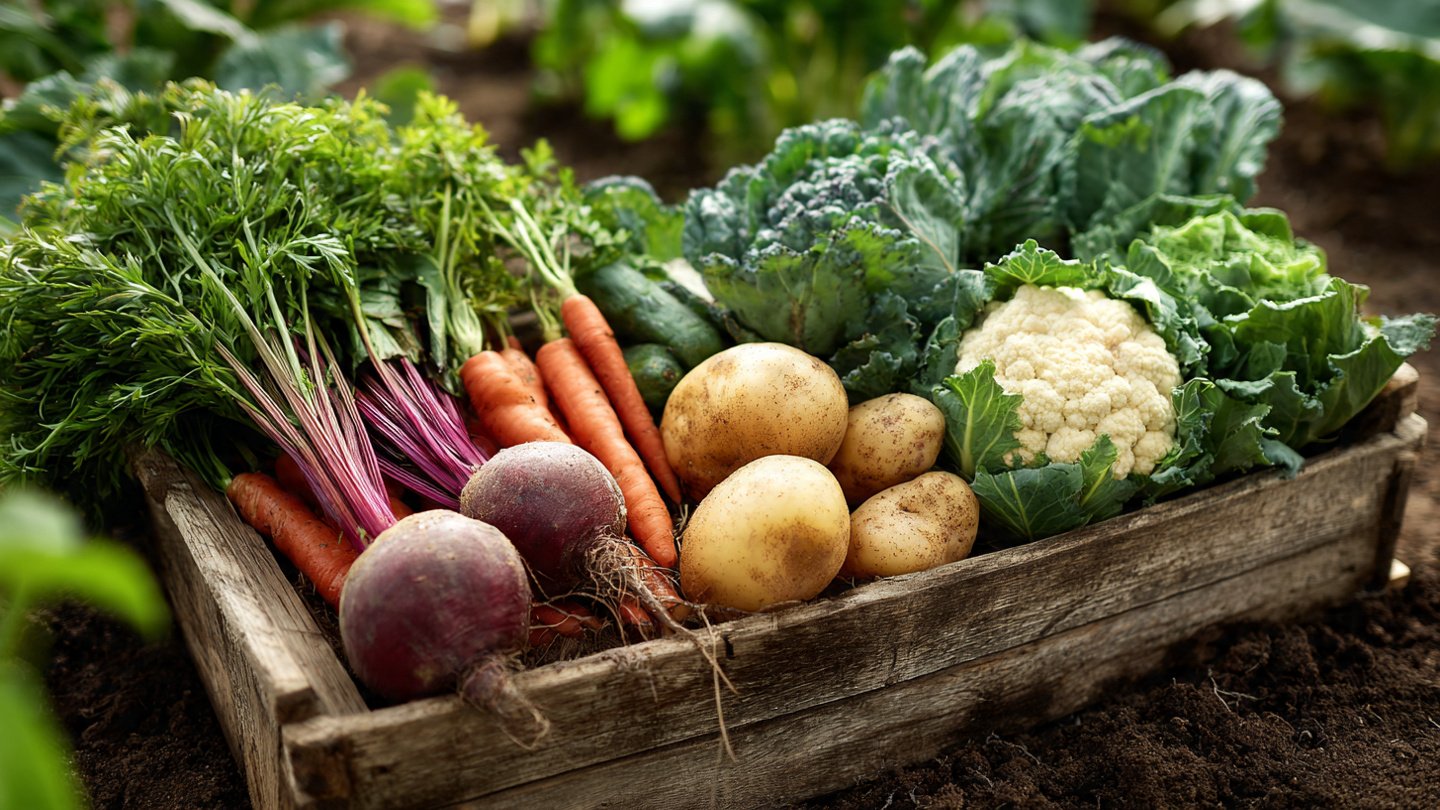
Starting a vegetable garden can be one of the most rewarding hobbies, especially for beginners. Growing your own food not only saves money, but it also provides fresh produce and a sense of accomplishment. If you are new to gardening, it’s essential to choose vegetables that are easy to grow and require minimal care. This article explores the top vegetables suited for beginners, offering tips on how to cultivate them successfully.
1. Radishes
Radishes are perhaps one of the easiest vegetables to grow. They have a short growing cycle, often ready to harvest in just 3-4 weeks. Radishes thrive in cooler weather, making them perfect for early spring and fall planting. Here’s how to get started:
- Soil: Well-draining soil is crucial. Amend with compost to enhance nutrient availability.
- Sunlight: They prefer full sunlight but can tolerate partial shade.
- Watering: Keep the soil consistently moist, especially during dry spells.
2. Lettuce
Lettuce is not only easy to grow but also versatile for various dishes. It can be grown throughout the growing season, depending on the variety:
- Types: Leafy types like Romaine or Butterhead are recommended for beginners.
- Planting: Sow seeds directly into the soil or start indoors and transplant later.
- Harvesting: Harvest leaves as needed to encourage continuous growth.
3. Green Beans
Green beans are a fantastic option for new gardeners, as they are both prolific and forgiving:
- Variety: Bush beans are easier to manage than pole varieties, which require trellising.
- Soil: Beans prefer well-draining soil enriched with organic matter.
- Sunlight: Full sun exposure will yield the best results.
4. Carrots
Carrots are another easy vegetable to grow. They do well in loose, sandy soil:
- Type: Choose shorter varieties if you have compacted soil.
- Spacing: Sow seeds thinly; too many can lead to poor root development.
- Harvesting: Harvest when they reach the desired size, usually in 2-3 months.
5. Zucchini
Zucchini is often a favorite for beginner gardeners due to its generous yield:
- Space: Zucchini plants require ample space to spread out
- Care: Water regularly and watch for pests, especially squash bugs.
- Harvesting: Pick zucchinis when they are small to encourage further production.
6. Tomatoes
Tomatoes can be more challenging than other beginner vegetables but are still achievable:
- Varieties: Start with determinate varieties, which are more manageable for new gardeners.
- Support: Provide cages or stakes for better growth and fruit production.
- Sunlight: They require full sun for at least six hours a day.
7. Spinach
Spinach is quick to grow and can be harvested multiple times:
- Soil: Fertile, well-draining soil is best.
- Sunlight: Can tolerate partial shade but prefers full sun.
- Crops: Sow seeds directly and harvest leaves regularly.
8. Peppers
Bell peppers and hot peppers are straightforward to grow and add flavor to many dishes:
- Heat: Peppers thrive in warm conditions, so wait until frost has passed to plant.
- Support: Adding stakes can help support taller varieties.
- Harvesting: Pick peppers when they reach full size and color.
Conclusion
Growing your own vegetables is a delightful endeavor that can enrich your culinary experience and enhance your quality of life. By starting with vegetables that are easy to grow, you will build confidence, learn valuable skills, and enjoy the fruits of your labor. Remember to choose a spot with ample sunlight, keep your soil healthy, and water your plants regularly. Whether it’s crunchy radishes, refreshing lettuce, or vibrant zucchini, there’s great satisfaction in harvesting your homegrown produce. So grab your gardening tools and get started on your green thumb journey today!
FAQs
1. How much sunlight do these vegetables need?
Most vegetables prefer at least 6 hours of direct sunlight per day for optimal growth.
2. Can I grow vegetables in containers?
Yes, many vegetables like tomatoes, peppers, and lettuce grow well in containers, making them ideal for those with limited space.
3. When is the best time to plant vegetables?
The best time to plant varies depending on the vegetable and your climate. Generally, early spring is ideal for cool-season crops, while warm-season crops like tomatoes should be planted after the last frost.
4. Do I need special tools to start gardening?
A few basic tools, such as a spade, trowel, and watering can, are sufficient for beginner gardeners. As you advance, you might consider adding more specialized tools.
5. How often should I water my vegetable garden?
Watering frequency depends on the weather and soil type, but a general guideline is to keep the soil consistently moist without overwatering. A layer of mulch can help retain moisture.