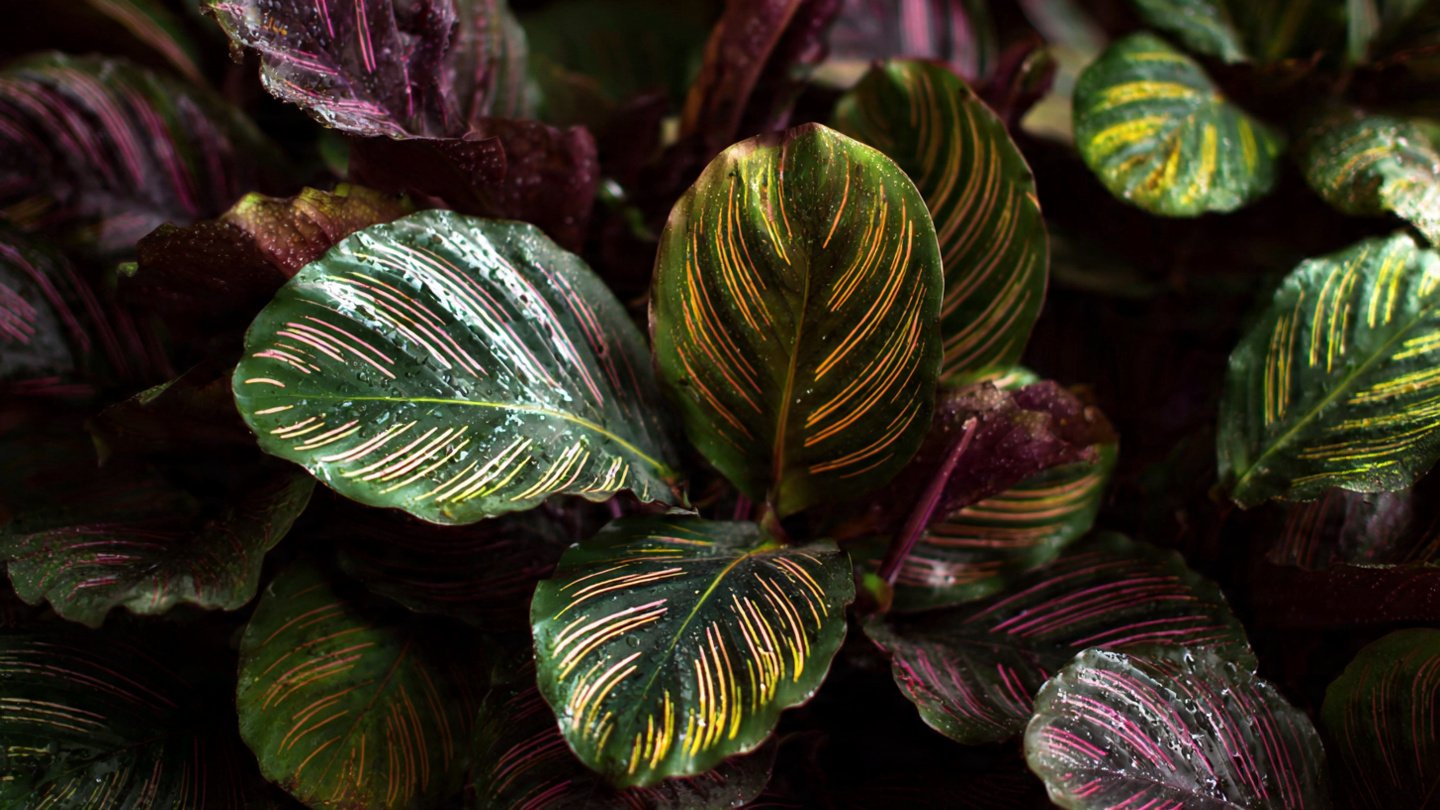
Calatheas, known for their stunning foliage and vibrant patterns, are among the most sought-after houseplants. However, these tropical beauties can be quite temperamental when it comes to humidity levels. Native to rainforests, Calatheas thrive in high humidity environments. Therefore, if you’re considering adding these plants to your collection or already have a few, it’s crucial to understand how to boost humidity effectively.
Understanding Humidity Needs
Calatheas typically require humidity levels of 50-60% or higher. A lack of humidity can lead to problems such as brown leaf tips, drooping leaves, and overall poor plant health. Understanding how to create an optimal environment for your Calatheas will ensure that they flourish.
The Ideal Environment
Replicating the natural habitat of your Calatheas involves focusing on light, temperature, and, most importantly, humidity. These plants prefer filtered light and temperatures between 65°F and 80°F. While moisture in the air is vital for their growth, achieving the right humidity can be challenging, especially in dry indoor environments.
Effective Ways to Boost Humidity for Calatheas
1. Use a Humidifier
One of the most efficient ways to increase humidity is by using a humidifier. Ensure it’s a good quality model that can maintain the desired levels consistently. Place it close to your Calatheas but avoid direct contact to prevent waterlogging the soil.
2. Group Plants Together
Plants naturally release moisture into the air through a process called transpiration. By grouping your Calatheas with other humidity-loving plants, you can create a microclimate that maintains higher humidity levels. This method not only benefits the Calatheas but enhances the overall aesthetic of your indoor garden.
3. Pebble Trays
A simple yet effective method to boost humidity is using pebble trays. Fill a shallow tray with pebbles and water, ensuring that the pots do not sit directly in the water. As the water evaporates, it will create a humid environment around the plants. Make sure to refill the tray regularly to maintain the humidity level.
4. Mist the Leaves
While misting is a common practice, it’s important to do it wisely. Misting should be done early in the day so that the moisture has time to evaporate before nightfall. This practice not only adds humidity but also helps clean the leaves, allowing the plant to breathe easier. However, excessive misting can lead to fungal issues, so moderation is key.
5. Use a Transparent Cloche or Mini Greenhouse
For those who are particularly dedicated to their Calatheas, consider creating a mini greenhouse effect. Covering your plant with a transparent cloche or a clear plastic bag can help trap humidity. Ensure there’s some airflow to prevent mold growth. This method is particularly useful during winter months when indoor air tends to be drier.
6. Regularly Water Your Plants
While overwatering can lead to root rot, keeping the soil evenly moist is essential for humidity control. Water your Calatheas with distilled or rainwater, as tap water may contain chemicals that can harm the plant. Maintaining moist soil aids in generating humidity through evaporation.
7. Choose the Right Pot
Consider using pots that allow for good drainage and aeration. Terracotta pots are known for their breathability and can help maintain moisture levels. Pairing them with well-draining soil will create the ideal environment for your Calatheas, preventing both excess moisture and root suffocation.
8. Optimize Room Conditions
Evaluate the overall humidity level in your home. You could invest in a hygrometer to monitor the humidity levels in the specific room where your Calatheas are located. If humidity levels are consistently low, it may be beneficial to implement multiple strategies outlined above simultaneously to ensure your plants are happy and healthy.
Observation and Adjustment
Every plant is unique, and the response to humidity varies from one Calathea to another. Observing how your plants react to different humidity levels can provide insights into what works best for them. If you notice brown leaf tips, it signals that humidity levels may be too low; conversely, wilting leaves could suggest over-hydration. Being attentive to these clues can significantly enhance your plant care regimen.
Conclusion
Boosting humidity for your rare Calatheas is crucial to their health and vibrancy. With methods ranging from using humidifiers to simple pebble trays, you can create an environment that mimics their natural rainforest habitat. Regular monitoring and adjustments, coupled with understanding their unique needs, will surely result in lush, attractive plants. With a little effort and care, your Calatheas will thrive and become the centerpiece of your indoor gardening collection.
FAQs
1. Can I use tap water for my Calatheas?
It’s better to use distilled or rainwater, as tap water may contain chemicals like chlorine or fluoride that can harm your Calatheas.
2. How often should I mist my Calatheas?
Misting once every few days is generally recommended. However, avoid overdoing it, as excessive moisture can lead to fungal issues.
3. What signs indicate that my Calatheas need more humidity?
Common signs include brown leaf tips, curling leaves, or wilting. Regularly check your plants to ensure they are thriving.
4. Is it necessary to have a humidifier?
While not necessary, a humidifier is one of the most effective ways to ensure consistent humidity levels, especially in dry climates or during winter.
5. Can I keep Calatheas in a bathroom to increase humidity?
Yes, if the bathroom has sufficient light, it can serve as a good environment for Calatheas due to the naturally higher humidity levels from showers and baths.