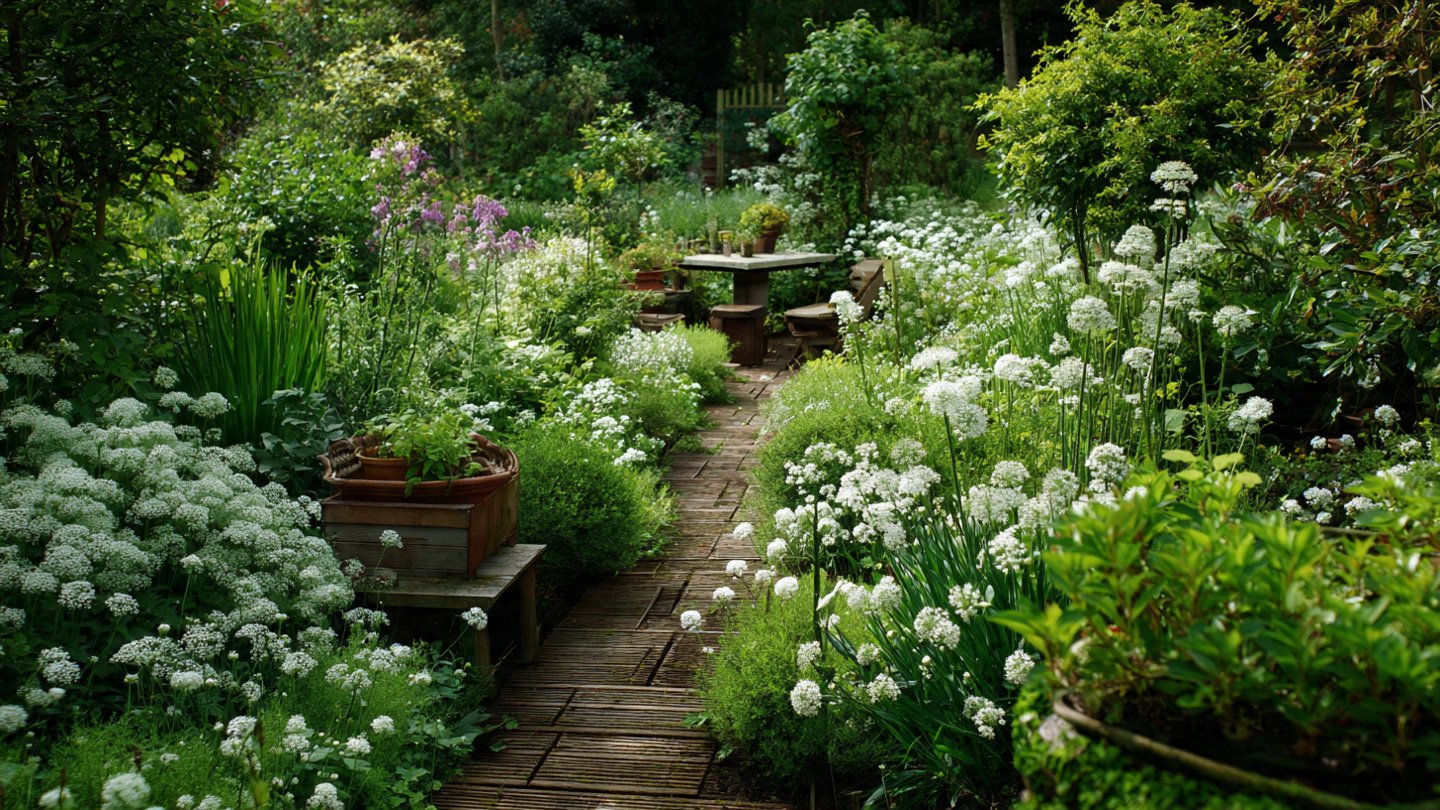
How Can Your Garden Become a Sanctuary for Rare Beneficial Insects?
Creating a garden that serves as a sanctuary for rare beneficial insects can contribute significantly to local biodiversity, aid in plant pollination, and create a balanced ecosystem. As more habitats are lost to urban development and agricultural practices, it has become increasingly important for gardeners to take action. Here’s how you can transform your outdoor space into a haven for these vital creatures.
Understanding Beneficial Insects
Before creating a sanctuary, it’s essential to identify what constitutes beneficial insects. Generally, beneficial insects fall into the following categories:
-
Pollinators: Bees, butterflies, and some beetles help in the pollination of flowers, which is crucial for fruit and seed production.
-
Predators: Insects like ladybugs and lacewings feed on pests such as aphids and mites, helping to naturally manage pest populations.
-
Decomposers: Certain insects, like ants and various beetles, break down organic matter, returning nutrients to the soil.
-
Parasitoids: Wasps that lay eggs in or on pest insects; upon hatching, their larvae consume the host, effectively reducing pest numbers.
The Importance of Rare Beneficial Insects
Some beneficial insects are rare due to habitat loss, pollution, and climate change. Their decline not only jeopardizes plant health but can also cause cascading effects on entire ecosystems. By supporting these insects, gardeners can contribute to a healthy environment while also enjoying the beauty and productivity that these species can help enhance.
Steps to Create an Insect Sanctuary
1. Plant Diverse Flora
Creating a garden with plant diversity is essential for attracting beneficial insects. Different species provide food sources throughout the growing season. Here’s how to diversify your planting:
-
Choose Native Plants: Native plants are well-adapted to the local climate and soil and are often more attractive to local insects. Consider species like milkweed for butterflies or various flowering herbs for bees.
-
Include Flowering Plants: Plants that flower at different times of the year ensure a continual food source. Aim for a mix of early, mid-season, and late bloomers.
-
Select a Range of Heights: Incorporate ground covers, low shrubs, and tall plants to create a multi-layered habitat. This diversity can provide shelter and nesting sites for various insect species.
2. Provide Water Sources
Water is essential for all living beings, including beneficial insects. You can easily create water sources in your garden:
-
Puddling Stations: Shallow dishes filled with water and small stones can serve as “puddling stations” for butterflies and bees. These insects require water minerals for their metabolic processes.
-
Bird Baths: While primarily aimed at birds, these can also attract various insects. Ensure that the water is shallow enough to prevent drowning.
3. Create Shelter and Overwintering Sites
Beneficial insects need places to hide from predators and harsh weather. Here are ways to add shelter:
-
Plant Dense Shrubs and Grasses: Dense plants provide cover and habitat, while native grasses can serve as ground cover.
-
Leave Some Areas Untamed: Allow portions of your garden to remain wild with native flowering plants and grasses. These areas serve as natural habitats for insects.
-
Build Bug Hotels: Insect hotels made from hollow stems, bamboo, or wood can provide nesting sites for solitary bees and other beneficial insects.
4. Enhance Soil Health
Healthy soil is vital for the life cycle of beneficial insects. Use these techniques to improve soil conditions:
-
Avoid Chemicals: Pesticides and herbicides can negatively impact beneficial insect populations. Opt for organic gardening practices and encourage natural pest control.
-
Compost: Adding organic compost enriches the soil, providing a conducive environment for beneficial insects and nematodes which promote soil health.
-
Mulching: Mulch with organic materials can improve soil structure and moisture retention while also providing habitats for overwintering insects.
5. Integrate Companion Planting
Companion planting can enhance biodiversity and create a more welcoming environment for beneficial insects:
-
Interplant Flowers with Vegetables: Plants like marigolds, daisies, and nasturtiums can attract beneficial insects while deterring pests.
-
Utilize Herbs: Many herbs are excellent at attracting pollinators and can often serve dual roles for culinary purposes. Consider options like lavender, rosemary, and thyme.
6. Monitor and Maintain the Ecosystem
Once you’ve established your garden, continuous monitoring and maintenance are crucial to supporting its health:
-
Observe Insect Activity: Take note of which beneficial insects visit your garden. Understanding their behavior will help you determine what changes can further enhance their presence.
-
Rotate Crops: Crop rotation can help prevent soil depletion and disrupt pest cycles. This can lead to a healthier and more balanced ecosystem.
-
Stay Informed: Keep up with local biodiversity efforts and research to identify additional ways to support rare beneficial insects in your area.
Case Studies: Successful Insect Sanctuaries
Several community gardens and private landscapes have successfully transformed into pollinator sanctuaries. Here are two notable examples:
-
The Pollinator Garden Project in New York City: This community initiative focuses on creating gardens that support native pollinators. Volunteers have planted a variety of native flowering plants, maintained water sources, and avoided chemicals, resulting in increased native bee populations.
-
Botanical Gardens in California: Many botanical gardens have created zones or sections explicitly designed for native insects, featuring native plants, organic methods, and educational programs. These areas often showcase the diversity and importance of insects while increasing public awareness.
Conclusion
Transforming your garden into a sanctuary for rare beneficial insects requires effort, knowledge, and a commitment to sustainable practices. By planting diverse flora, providing water and shelter, enhancing soil health, and integrating companion planting, you can create an inviting environment where these vital creatures thrive. Not only will you contribute to local biodiversity, but you will also enjoy a thriving and beautiful garden that benefits both you and the intricate web of life surrounding you.
So roll up your sleeves, get involved in protecting these precious beings, and watch as your garden blossoms into a vibrant ecosystem teeming with life.