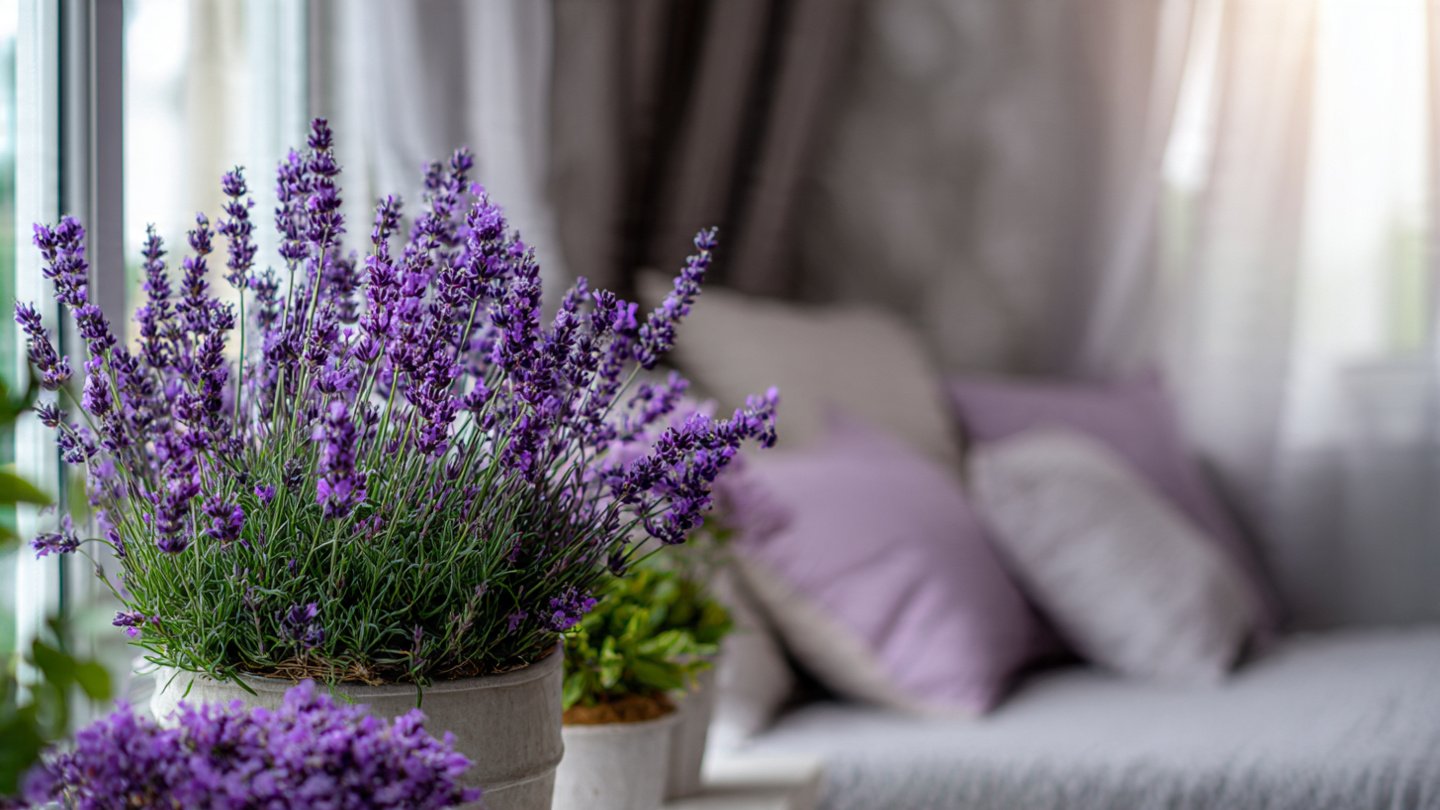
In the realm of aromatherapy and natural remedies, few plants hold the revered status that lavender does. Known for its soothing properties, lavender (Lavandula) has been cherished for centuries not just for its beautiful blue-violet flowers, but also for its calming scent and beneficial effects on sleep. This article explores how planting lavender by your bedroom window could improve your sleep quality and overall well-being.
The Scent of Relaxation
Lavender’s fragrance is celebrated for its ability to induce a sense of relaxation. In a world inundated with stress and anxiety, the calming aroma of lavender can be a natural remedy for those battling insomnia or restless nights. Studies have shown that inhaling lavender essential oil can significantly reduce levels of anxiety and increase the duration of deep sleep.
A Natural Sleep Aid
One of the primary advantages of having lavender nearby is its natural sleep-promoting qualities. Research indicates that lavender can help improve both the quality and duration of sleep. The presence of lavender at your bedroom window means that its pleasant aroma can waft into your room, enhancing your sleep environment and creating a sanctuary for restfulness.
Enhancing Air Quality
Beyond its fragrance, lavender is known to purify the air. Plants, in general, are natural air filters that absorb toxins and improve indoor air quality. By planting lavender near your bedroom window, you invite a piece of nature into your room that can contribute to a healthier breathing environment. This can lead to better sleep, particularly for those with allergies or respiratory issues.
Aesthetic Appeal
Lavender isn’t just beneficial for your sleep; it can also enhance the aesthetic of your space. With its delightful color and beautiful blooms, lavender adds a touch of nature’s beauty to your home. The act of caring for this plant can also serve as a stress-relief therapy, providing a sense of purpose and connection with nature.
Creating a Relaxation Ritual
Incorporating lavender into your evening routine can serve as a powerful sleep ritual. Here are some ways you can do this:
- Lavender Tea: Brew a cup of lavender tea in the evening to unwind and prepare for sleep.
- Aromatherapy: Use lavender essential oil in a diffuser before bedtime to fill the room with its calming scent.
- Bedtime Bath: Add a few drops of lavender oil to your evening bath for an additional relaxing experience.
The Therapeutic Properties of Lavender
Lavender contains several compounds believed to have therapeutic properties. Linalool and linalyl acetate, two key components of lavender oil, have been shown to affect the central nervous system and can help promote relaxation. These compounds can help lower heart rates and blood pressure, contributing to a feeling of calm.
How to Plant Lavender by Your Bedroom Window
If you’re inspired to plant lavender near your window, here are some steps to get started:
- Choosing the Right Variety: Select a lavender variety that fits your climate. English Lavender (Lavandula angustifolia) is ideal for cooler regions, while French Lavender (Lavandula dentata) thrives in warmer climates.
- Location: Pick a spot by your window that receives plenty of sunlight. Lavender prefers full sun exposure for at least 6-8 hours a day.
- Soil Preparation: Ensure the soil is well-draining, as lavender does not thrive in soggy conditions. A sandy or rocky soil mix works best.
- Watering: Water your lavender plants sparingly. Allow the soil to dry out between waterings, as too much moisture can lead to root rot.
- Harvesting: Once your lavender plants bloom, you can harvest the flowers to dry and use in sachets or relax with lavender tea.
Lavender and Sleep Environment
Creating a sleep-friendly environment involves more than just the fragrance of lavender. To maximize the benefits, consider these additional factors:
- Comfortable Bedding: Invest in quality mattress and pillows to support a restful night.
- Darkness: Make your bedroom as dark as possible to enhance melatonin production.
- Temperature: Keep your bedroom cool to facilitate sleep, around 60-67°F (15-19°C) is ideal.
- Minimize Noise: Use white noise machines or earplugs if you live in a noisy area.
Conclusion
Planting lavender by your bedroom window can significantly transform your sleep experience. Through its calming fragrance, air-purifying qualities, and aesthetic appeal, lavender creates an environment conducive to relaxation and restful sleep. As we strive for a healthier lifestyle, incorporating plants like lavender into our routines can be a rewarding step toward better well-being. Whether you’re using lavender for its aromatherapy benefits or simply appreciating its beauty, this hardy plant can help you cultivate a peaceful sleep sanctuary.
FAQs
1. How does lavender help with sleep?
Lavender promotes relaxation by reducing anxiety levels and increasing the depth of sleep through its calming aroma and therapeutic properties.
2. Can I use lavender essential oil as a sleep aid?
Yes, using lavender essential oil in a diffuser or applying it to your pillows can help enhance the sleep experience.
3. What type of lavender is best for growing indoors?
English Lavender (Lavandula angustifolia) is often recommended for indoor growing due to its adaptability and fragrance.
4. How do I take care of my lavender plant?
Ensure it receives plenty of sunlight, water sparingly, and use well-draining soil to prevent root rot.
5. Can lavender be used for anything other than sleep?
Yes, lavender can be used for aromatherapy, in cooking, and as a natural pest deterrent, among other applications.