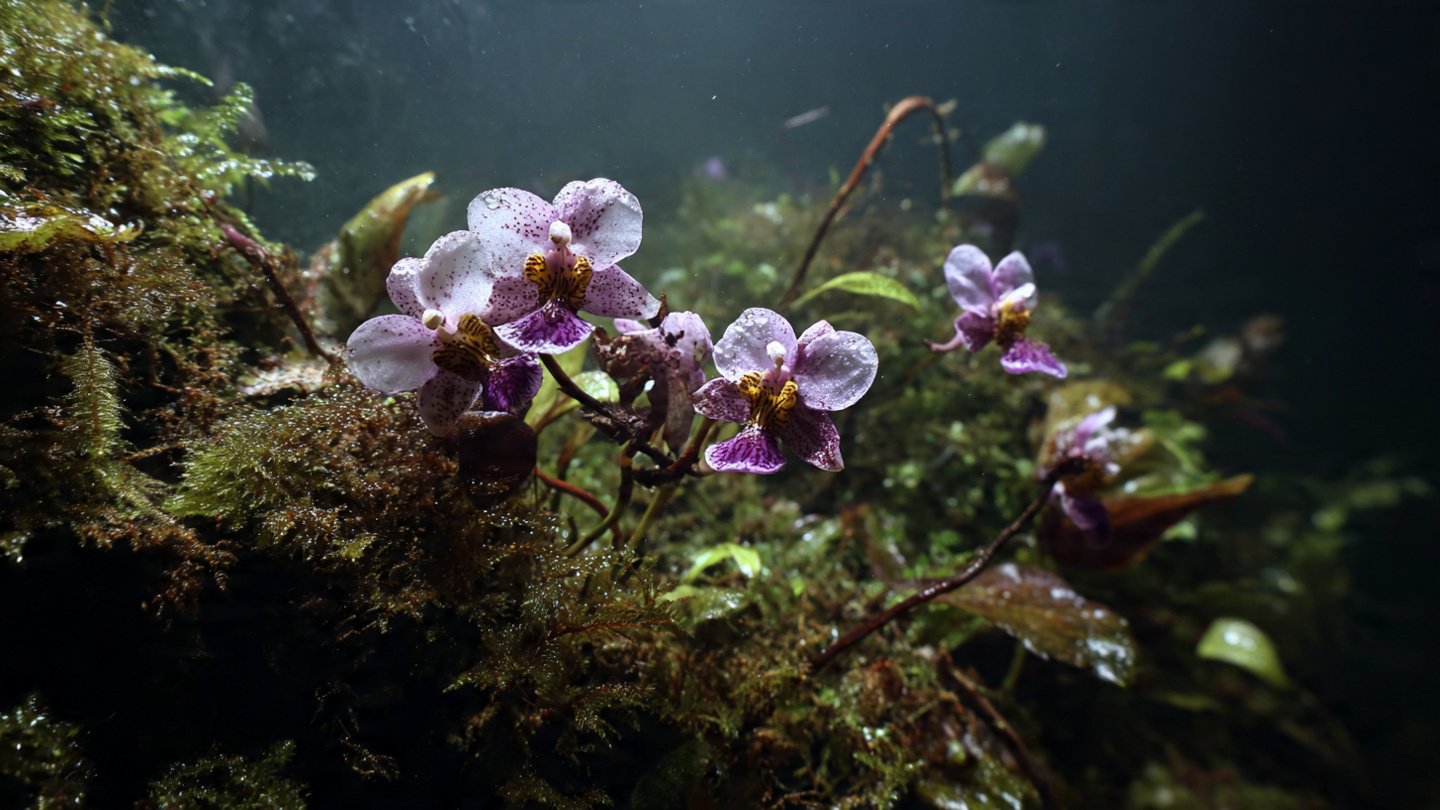
Orchids, belonging to the family Orchidaceae, are one of the most diverse and widespread families of flowering plants. With over 25,000 species, they exhibit unique beauty and intricate adaptations that span across nearly all continents. One of the less visible but crucial aspects of their survival is their relationship with certain fungi, a form of symbiosis that is essential for their lifecycle. This article explores why orchids depend on these fungi, their interactions, and the implications of these relationships.
The Role of Fungi in Orchid Ecology
Fungi play an integral part in the ecosystem, primarily as decomposers. However, certain fungi establish a mutualistic relationship with various plants, particularly orchids. This relationship revolves around mycorrhizae, a symbiotic association between fungi and plant roots.
What are Mycorrhizal Fungi?
Mycorrhizal fungi form a network with plant roots, extending their hyphae (thread-like structures) into the soil. This network increases the surface area for nutrient absorption, particularly minerals like phosphorus and nitrogen, essential for plant growth. In return, the fungi receive carbohydrates produced by the plant through photosynthesis.
The Lifespan of Orchids: A Dependency on Fungi
Orchids, particularly in their early stages of development, rely heavily on mycorrhizal fungi for survival. Most orchids are mycoheterotrophic, especially during their seed germination phase. Unlike many plants, orchid seeds are minuscule and contain minimal nutrients, which makes it difficult for them to germinate without the help of fungi.
Seed Germination
When orchid seeds disperse, they land on the forest floor. For successful germination, these seeds need to connect with a specific type of mycorrhizal fungus. The fungus invades the seed tissues and initiates metabolic processes that allow the seed to develop into a mature plant. The fungi provide vital nutrients like nitrogen and carbon, which are crucial during this vulnerable stage.
Types of Fungi Involved
Different species of orchids associate with different types of fungi. The most commonly involved fungi belong to the genera Rhizoctonia, Tulasnella, and Ceratomyxa. Each orchid species has evolved to rely on specific fungal partners, honing its dependency through millions of years.
Evolutionary Adaptations
This specialized dependency has led to a co-evolutionary path. Orchids have developed unique floral structures to attract pollinators, while fungi have adapted to thrive in the environments provided by their host orchids. This includes the production of specific enzymes that degrade organic matter, making nutrients available for the orchids.
Implications of Orchid-Fungi Relationships
The symbiotic relationship between orchids and fungi has significant ecological implications. These interactions support biodiversity and plant community dynamics in ecosystems ranging from tropical rainforests to temperate woodlands.
Impact on Biodiversity
The success of orchids contributes to the health of the ecosystem. Orchids often serve as indicators of environmental changes; the presence or absence of certain species can signal alterations in habitat quality. As mycorrhizal fungi facilitate the growth of orchids, they also indirectly support other plant and animal species that depend on orchids for food and habitat.
Conservation Issues
The dependency of orchids on mycorrhizal fungi poses significant challenges for conservation efforts. Habitat destruction, climate change, and increased fragmentation lead to the loss of fungal diversity and effectively threaten orchid populations. Protecting both the orchids and their fungal partners is crucial for maintaining the balance of various ecosystems.
Conservation Strategies
To mitigate these risks, strategies such as habitat preservation, restoration, and the insertion of mycorrhizal fungi into degraded areas can be essential. Understanding the specific fungal partners for different orchid species is crucial in developing these conservation strategies to ensure biodiversity.
Conclusion
Orchids and their fungal partners share a relationship that exemplifies the intricacies of nature’s interconnectedness. This dependency underscores the importance of understanding ecological relationships for conservation and biodiversity. As we face increasing environmental challenges, acknowledging the role of mycorrhizal fungi in orchid survival can provide insights into preserving these beautiful species and the ecosystems they inhabit. Sustaining this relationship ensures not only the survival of orchids but also the overall health of our environment.
FAQs
1. How do orchids benefit from fungi?
Orchids benefit from fungi primarily through increased nutrient absorption, particularly during their seed germination phase. Fungi provide essential nutrients that are crucial for the early growth stages of orchids.
2. Can orchids survive without their fungal partners?
Most orchids cannot survive without their specific fungal partners, especially during the germination and early growth stages. However, mature orchids can sometimes live independently if they have established their root systems.
3. How can we help in the conservation of orchids?
Supporting habitat conservation efforts, planting native orchid species, and educating oneself and others about the ecological significance of orchids and fungi are excellent ways to help in their conservation.
4. Are all plant species dependent on fungi?
No, not all plant species are dependent on fungi. However, many plants, including trees and some agricultural crops, do have mycorrhizal associations that enhance nutrient uptake and water absorption.
5. What habitats are best for orchids?
Orchids thrive in diverse habitats, including tropical rainforests, temperate woodlands, and grasslands. They often prefer moist, well-draining soils that support their fungal partners.