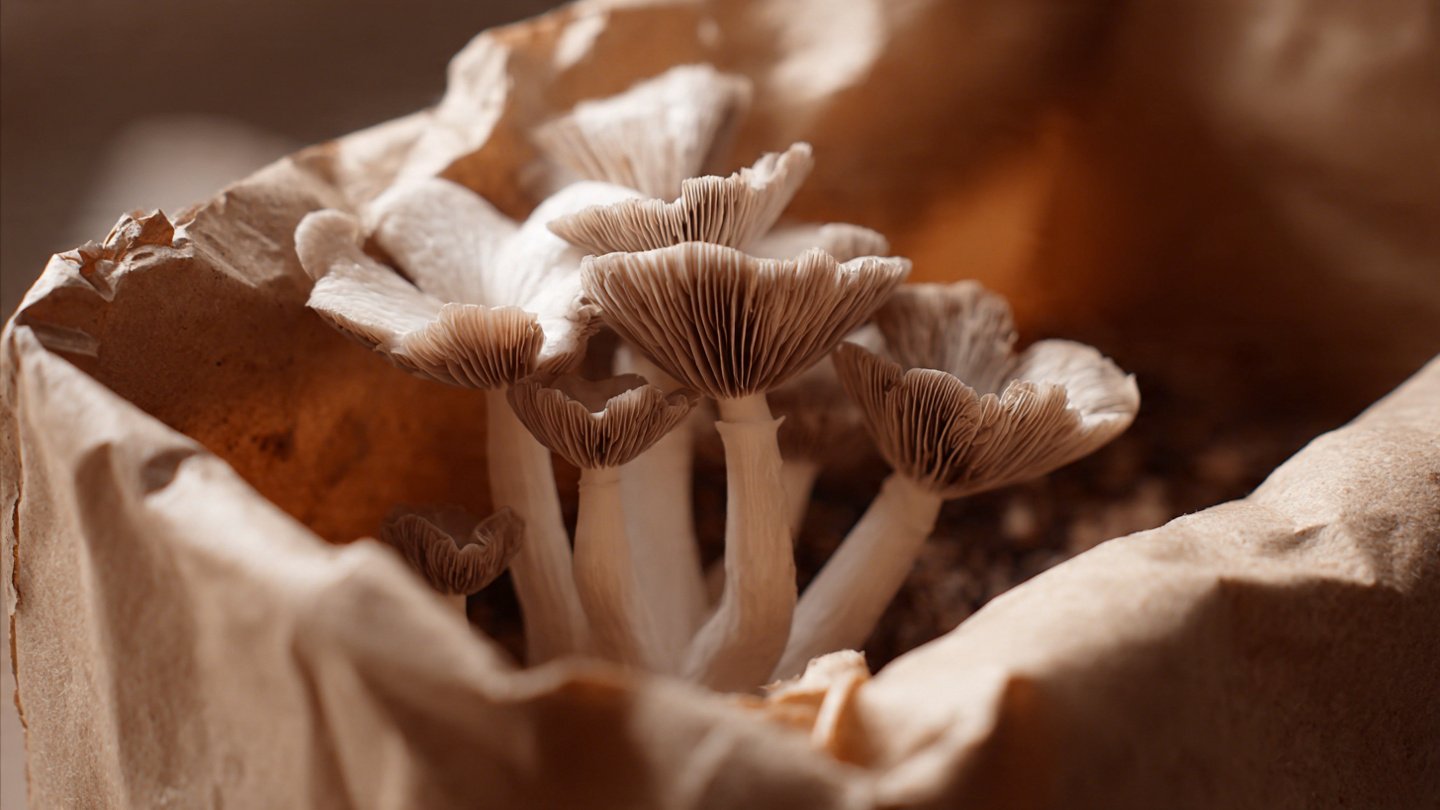
Growing mushrooms at home has become increasingly popular, especially among gardening enthusiasts and foodies looking for sustainable food sources. While many options exist for cultivating mushrooms, one unique and cost-effective method that often raises eyebrows is growing mushrooms in a bag of wet cardboard. This method might sound whimsical, but it has scientific backing and practical results. In this article, we will explore the feasibility, benefits, and methods for growing mushrooms in this unconventional medium.
Understanding Mushrooms and Their Growth
Mushrooms are the fruiting bodies of fungi, and they can thrive in various substrates. While many people are familiar with growing mushrooms in compost, sawdust, or straw, not everyone considers cardboard as a potential growth medium. Cardboard contains cellulose, a carbohydrate that fungi can break down and use for energy, making it a surprisingly suitable substrate for mushroom cultivation.
The Science Behind Cardboard as a Growth Medium
Cardboard consists mainly of cellulose, hemicellulose, and lignin—components that many fungi can decompose. Here are a few reasons why cardboard is effective for growing mushrooms:
- Hydration: When soaked in water, cardboard becomes an ideal sponge, retaining moisture necessary for mushroom growth.
- Air Flow: The structure of cardboard allows for good air circulation, which is crucial for mycelium development.
- Availability: Cardboard is readily available and often free, making it an accessible option for many.
- Biodegradable: Using cardboard promotes sustainability and reduces waste, aligning with eco-friendly practices.
Choosing the Right Mushroom Species
Not all mushroom species are suitable for growing on cardboard. Some of the most commonly recommended varieties include:
- Oyster Mushrooms: Known for their ease of growth and adaptability to various substrates, oyster mushrooms are the most popular choice for cardboard cultivation.
- Shiitake Mushrooms: Although typically grown on hardwood, shiitake can thrive on cardboard under the right conditions.
- King Stropharia: This mushroom is also a good candidate for cardboard and can contribute to soil health when composted post-harvest.
Step-by-Step Guide to Growing Mushrooms on Cardboard
Now that you know the basics, let’s dive into the steps involved in successfully cultivating mushrooms using wet cardboard:
Materials Needed:
- Cardboard (preferably not glossy or heavily printed)
- Water (for soaking the cardboard)
- Mushroom spawn (available at gardening stores or online)
- Plastic bags or containers (for creating a growing environment)
- Spray bottle (for maintaining humidity)
Step 1: Preparing the Cardboard
Start by tearing the cardboard into small pieces, about 1 to 2 inches in size. This increases the surface area for the mycelium to colonize. Next, soak the cardboard in water for 24 hours to fully hydrate it. After soaking, let the cardboard drain until it is moist but not soggy.
Step 2: Inoculating with Mushroom Spawn
In a clean environment, mix the hydrated cardboard with the mushroom spawn. The recommended ratio is about 1 part spawn to 4 parts cardboard. Ensure that you distribute the spawn evenly among the cardboard to maximize colonization potential.
Step 3: Creating a Microclimate
Place the inoculated cardboard mixture in a plastic bag or container. If using a bag, you can leave it slightly open to allow for some airflow while maintaining humidity. Ensure the environment is dark and maintains a stable temperature, ideally between 65°F to 75°F.
Step 4: Maintenance and Monitoring
Check on your growing mushrooms regularly. Mist the cardboard with water using a spray bottle to keep it moist, but avoid over-saturation. After a few weeks, you should begin to see white mycelium spreading throughout the cardboard.
Step 5: Harvesting
After a few more weeks, you will notice small mushroom pins forming. Once these pins mature into full mushrooms, it’s time to harvest. Gently twist or cut the mushrooms at the base to avoid damaging the mycelium, allowing it to produce more mushrooms if conditions are favorable.
Benefits of Growing Mushrooms in Cardboard
Aside from being a viable alternative to traditional substrates, growing mushrooms on wet cardboard offers numerous benefits:
- Cost-Effective: Cardboard is often free, making this an inexpensive way to grow your own food.
- Sustainable: Promotes recycling and reduces waste while providing fresh food.
- Educational: A fun and educational project for families and children to understand the growth cycle of fungi.
- Flavor and Freshness: Homegrown mushrooms have unparalleled flavor and can be harvested as needed.
Conclusion
In conclusion, growing your own mushrooms in a bag of wet cardboard is not only possible, but it can also be a rewarding and sustainable practice. With the right materials and care, you can produce delicious varieties such as oyster or shiitake mushrooms in an accessible and environmentally friendly way. This method exemplifies how innovative solutions can transform waste materials into a valuable food source, providing a great way to participate in food sustainability efforts. Whether you’re an avid gardener or a curious beginner, this project offers a fun exploration into the world of fungi.
FAQs
Q1: Can I use any type of cardboard?
A1: It’s best to avoid cardboard with glossy finishes or heavy printing, as these may contain inks or chemicals harmful to mushroom growth. Plain, uncoated cardboard is ideal.
Q2: How long does it take to see mushrooms after inoculation?
A2: Typically, you can expect to see mycelium growth within 2-4 weeks, with mushrooms forming several weeks after that.
Q3: What if my mushrooms don’t grow?
A3: Factors such as temperature, moisture, and contamination can affect growth. Ensure optimal conditions and check for signs of mold or other issues.
Q4: Can I reuse the cardboard after harvesting?
A4: Yes, leftover mycelium can sometimes produce another flush of mushrooms. Alternatively, you can compost the spent substrate to enrich your garden soil.
Q5: How do I store mushrooms after harvesting?
A5: Keep harvested mushrooms in a paper bag in the refrigerator to maintain freshness. Avoid plastic bags, as they can trap moisture and cause spoilage.