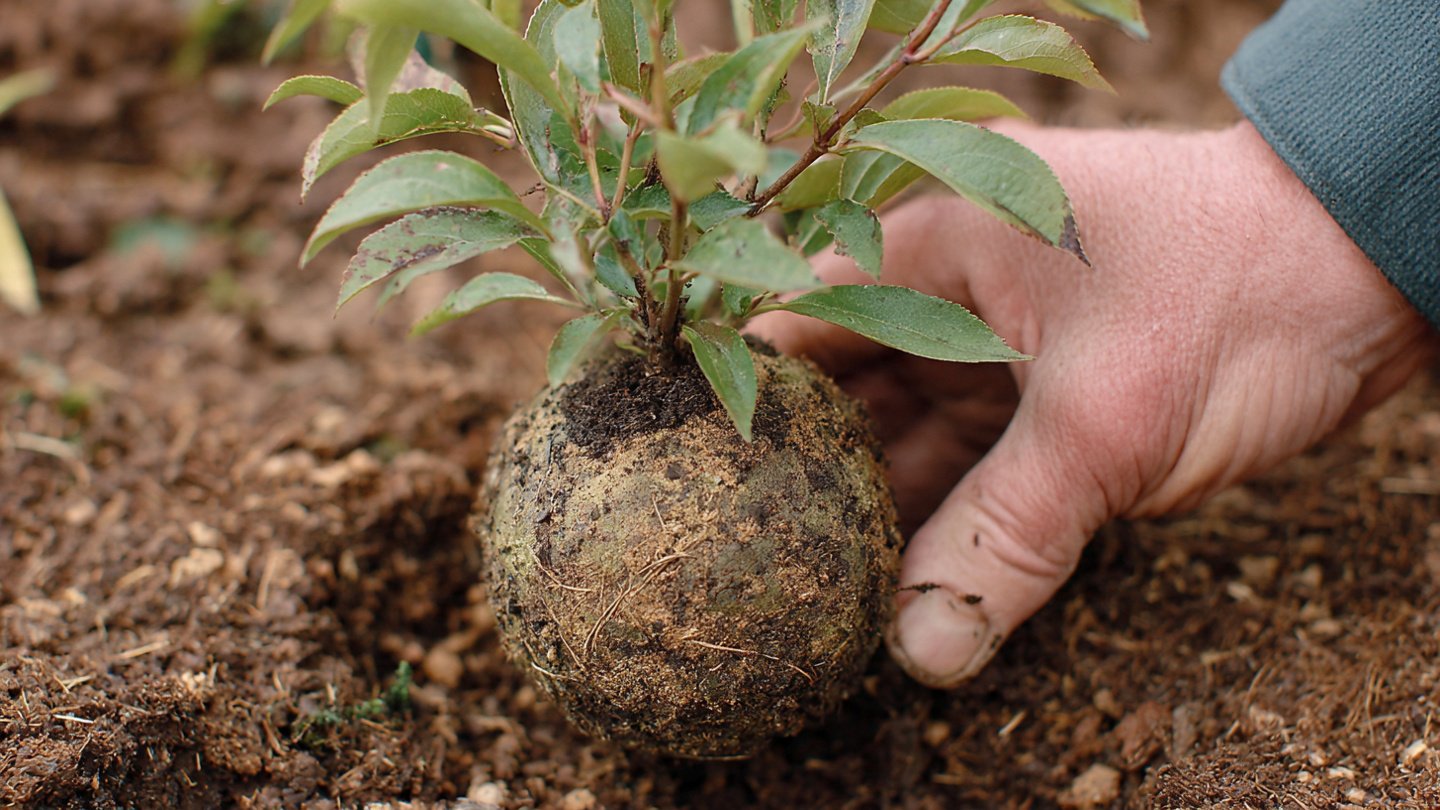
Fruit tree propagation is a fascinating yet complex process. Many gardeners wish to proliferate their beloved trees to enjoy more of the fruits they provide. While traditional methods like grafting and layering are well-known, an innovative technique known as the “mud ball trick” has emerged as a game-changer in the propagation sphere. This article delves into how this technique works, its advantages, and how you can incorporate it into your gardening practices.
Understanding the Mud Ball Trick
The mud ball trick involves creating nutrient-rich mud balls that encapsulate seeds, preferably of fruit trees, alongside beneficial microorganisms and nutrients. This holistic approach not only serves to protect the seeds but also enhances their chances of germination and growth.
Ingredients for the Mud Balls
To perform the mud ball trick, you’ll need a few simple materials:
- Clay Soil: Clay is crucial for binding the mud ball together.
- Compost or Organic Matter: This provides essential nutrients for the seed.
- Water: To bring the components together into a cohesive ball.
- Seeds: Choose healthy seeds from your desired fruit trees.
- Microorganisms: You can add effective microorganisms (EM) for enhanced growth.
Steps to Create Mud Balls
Creating mud balls is straightforward. Follow these steps:
- Mix Ingredients: In a bowl, combine clay soil and compost in a 1:1 ratio. Gradually add water until the mixture is moldable but not too wet.
- Add Seeds: Incorporate your chosen seeds into the mixture. Ensure even distribution to maximize growth potential.
- Mold the Balls: Take small amounts of the mixture and form them into round balls, around the size of a golf ball.
- Dry the Balls: Place the mud balls in a shaded area to dry for a few days until they harden.
Benefits of Using Mud Balls for Fruit Tree Propagation
The mud ball trick offers several benefits that can transform your approach to fruit tree propagation:
- Protection from Pests: The hardened outer layer of the mud ball acts as a natural barrier against pests while keeping the seed safe from adverse weather conditions.
- Nutrient Boost: The organic matter in the mud balls provides a slow release of nutrients, promoting healthier seedlings.
- Microorganism Activation: Adding beneficial microorganisms helps improve soil health, leading to robust plants.
- Ease of Planting: Mud balls can be easily transported and planted in various locations, making them convenient for gardeners.
Best Practices for Planting Mud Balls
Once your mud balls are ready, consider the following best practices when planting them:
- Choose the Right Time: Early spring is generally the best time to plant your mud balls, as the soil is warming up and conditions are optimal for germination.
- Select an Appropriate Location: Position your mud balls in a spot that receives ample sunlight and is protected from harsh winds.
- Create a Planting Hole: Dig a hole that is deep enough to accommodate the mud ball without crushing it.
- Water the Area: Before placing the mud ball in the hole, ensure the surrounding soil is moist. This helps with better germination.
- Monitor Growth: Keep an eye on the mud balls after planting, ensuring the area remains weed-free and adequately watered.
Transforming Your Gardening Experience
The mud ball trick can revolutionize your gardening experience. The simplicity and efficacy of this method not only improve seed germination rates but also minimize many common challenges faced during propagation. Many gardeners report increased success rates and healthier trees by implementing this technique.
Conclusion
In conclusion, the mud ball trick is an innovative and effective technique that simplifies fruit tree propagation. By combining seeds, nutrients, and protective layers, this method enhances the chances of successful germination and healthy plant growth. For gardeners seeking a new approach to propagate their favorite fruit trees, creating and using mud balls offers a practical solution that aligns agriculture with natural processes. As you delve into this hands-on method, you may find that your fruit trees flourish like never before.
FAQs
- Can I use any type of seed for mud balls?
- While the method is particularly effective for fruit tree seeds, you can also experiment with other types of seeds, keeping in mind their specific germination requirements.
- How long does it take for seeds in mud balls to germinate?
- The germination time can vary based on the type of seed and environmental conditions, but generally, expect 1-3 weeks for most fruit tree seeds.
- Can I store mud balls for future use?
- Yes, you can store dried mud balls in a cool, dry place for several months before planting.
- What is the best soil condition for planting mud balls?
- Well-draining soil with good organic matter is ideal for planting mud balls, as it supports healthy root growth.
- Do I need to fertilize my plants after using mud balls?
- Generally, there’s no need for additional fertilizer initially, as the nutrients in the mud balls will support early growth. However, monitor your plants and adjust as needed.