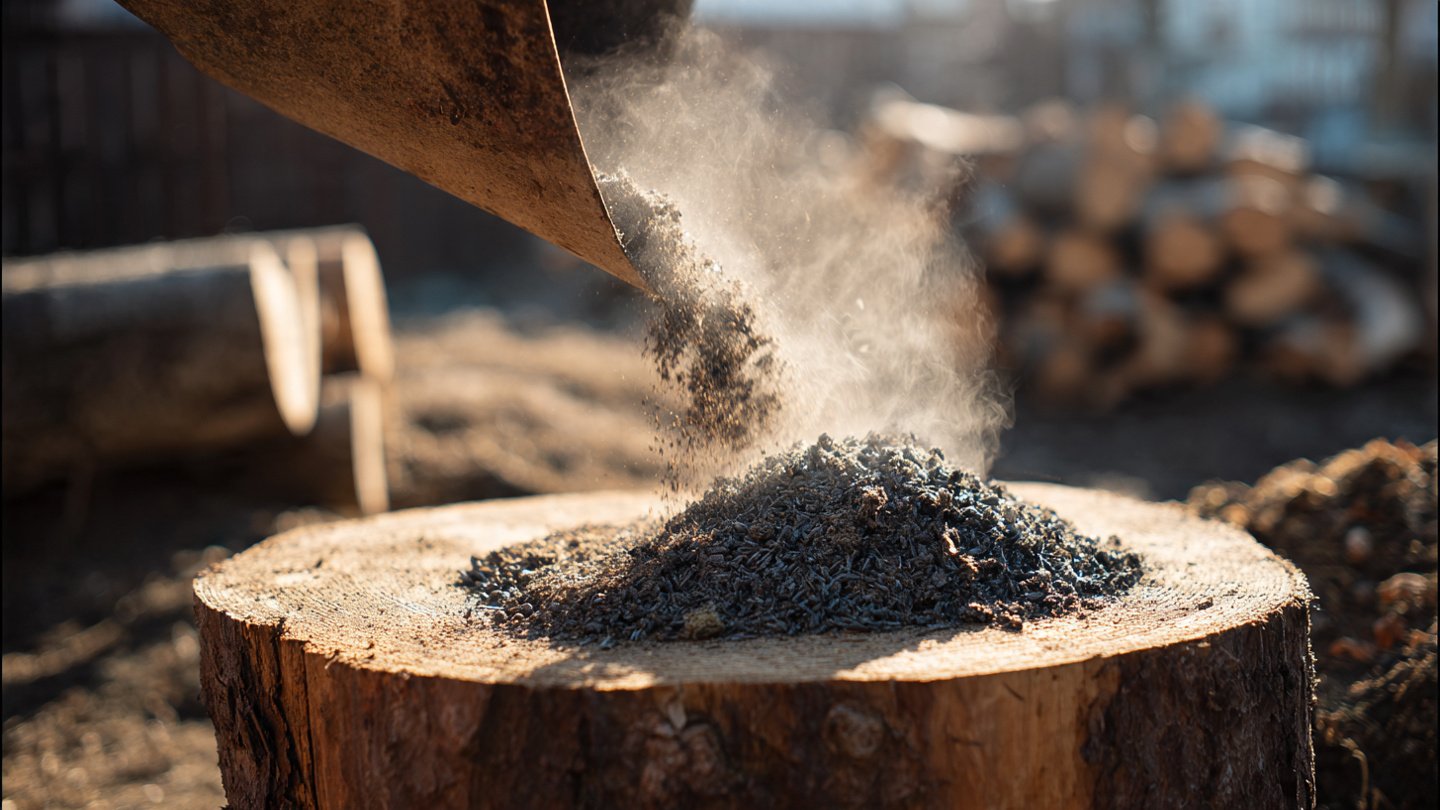
Wood ash, often considered a waste product from fire pits, fireplaces, and wood stoves, is a powerful resource that can enhance garden health. Adding wood ash to your garden each winter can offer numerous benefits to the soil, plants, and overall ecosystem. This article explores these benefits, the proper ways to use wood ash, and the precautions you should take.
1. Nutrient-Rich Supplement
Wood ash is a natural source of essential nutrients. It contains potassium, calcium, magnesium, and trace minerals that are vital for plant growth. The primary nutrient in wood ash is potassium, which is crucial for root development, flower production, and overall plant health.
In addition to potassium, wood ash provides calcium, which helps to maintain healthy soil pH levels. This balance is essential for nutrient absorption and promoting beneficial microbial activity. The increased availability of these nutrients can lead to stronger plants and better yields, making wood ash an excellent addition to gardens, especially during winter when soil amendments are typically applied.
2. pH Balancing Agent
Many gardens suffer from overly acidic soil, which can inhibit plant growth and nutrient absorption. Wood ash has alkaline properties, making it an effective tool for raising soil pH. By adding wood ash to acidic soils, gardeners can help neutralize acidity, resulting in a more balanced growing environment for various plants.
It’s important to test your soil’s pH before applying wood ash, as excessive alkalinity can also be harmful. Generally, the ideal pH for most garden plants is between 6.0 and 7.0. Regularly testing your soil allows you to apply the right amount of wood ash, leading to optimal growth conditions.
3. Pest and Disease Control
Wood ash has natural pest-repellent properties. When sprinkled around garden plants, it can deter soft-bodied insects like slugs and snails. These creatures tend to avoid the dry texture of the ash, which can act as a barrier around vulnerable plants.
Additionally, wood ash can have antifungal properties. It may help prevent certain plant diseases by creating an inhospitable environment for pathogens. However, it’s crucial to note that while wood ash can assist in disease control, it should not replace other integrated pest management practices.
4. Improving Soil Structure
Another significant benefit of adding wood ash to your garden is its ability to improve soil structure. The combination of nutrients and minerals found in wood ash can increase the soil’s aeration and drainage capabilities. This is especially beneficial in soils that are overly compacted or heavy in texture.
By enhancing soil structure, wood ash promotes better root development and increases water infiltration. Healthier soil leads to healthier plants, which translates to a more robust and productive garden.
5. Sustainable Practice
Using wood ash in the garden represents a sustainable gardening practice. Instead of discarding this byproduct, repurposing it not only benefits your garden but also reduces waste. Recycling wood ash from your home for use in the garden can contribute to a more circular economy.
By embracing this eco-friendly practice, gardeners can help reduce the dependence on synthetic fertilizers, which often have adverse environmental effects. Utilizing wood ash aids in maintaining a more organic gardening approach, encouraging biodiversity and healthier ecosystems.
6. Usage Tips and Precautions
How to Apply Wood Ash
When applying wood ash to your garden, moderation is key. Here are some tips for effective application:
- Test Your Soil: Before applying wood ash, carry out a soil test to determine pH and nutrient levels.
- Application Rate: A general guideline is to use about 10 to 15 pounds of wood ash per 1,000 square feet of garden space per year.
- Spread Evenly: Distribute wood ash lightly over the soil surface and incorporate it into the top few inches of soil.
- Timing: Winter is an excellent time to apply wood ash, as it allows time for nutrients to become assimilated into the soil by spring planting.
Precautions to Consider
Despite its advantages, there are precautions to take when using wood ash in the garden:
- Avoid Contaminated Ash: Use wood ash only from untreated wood. Ash from treated wood or charcoal briquettes can contain harmful chemicals.
- Limit Use on Acid-Loving Plants: Plants that thrive in acidic conditions, such as blueberries and azaleas, may not benefit from the alkalinity of wood ash.
- Watering: After applying wood ash, ensure that you water the area well to help incorporate the ash into the soil.
Conclusion
In summary, adding wood ash to your garden each winter offers an array of benefits, including enhanced nutrient availability, improved soil conditions, and natural pest control. It represents a sustainable practice that transforms waste into a resource while promoting healthier plants and ecosystems. By applying wood ash mindfully and considering the specific needs of your soil and plants, you can enrich your garden and contribute to a more sustainable future.
FAQs
1. Can I use any type of wood ash in my garden?
No, you should use ash from untreated wood. Avoid ashes from treated lumber, charcoal briquettes, or ashes that may contain toxic substances.
2. How often can I add wood ash to my garden?
Generally, you can add wood ash once a year. However, conduct soil tests regularly to assess the soil’s nutrient levels and pH balance.
3. Will wood ash harm my acid-loving plants?
Yes, wood ash raises soil pH, which can be detrimental to acid-loving plants like blueberries and rhododendrons. Use caution and avoid applying wood ash in their vicinity.
4. Can I mix wood ash with other fertilizers?
Yes, you can mix wood ash with other organic fertilizers, but it’s essential to understand the nutrient levels in your soil to avoid over-fertilization.
5. What is the best time to apply wood ash to my garden?
The best time to apply wood ash is during the winter, allowing it to be incorporated into the soil before the spring growing season.