Introduction
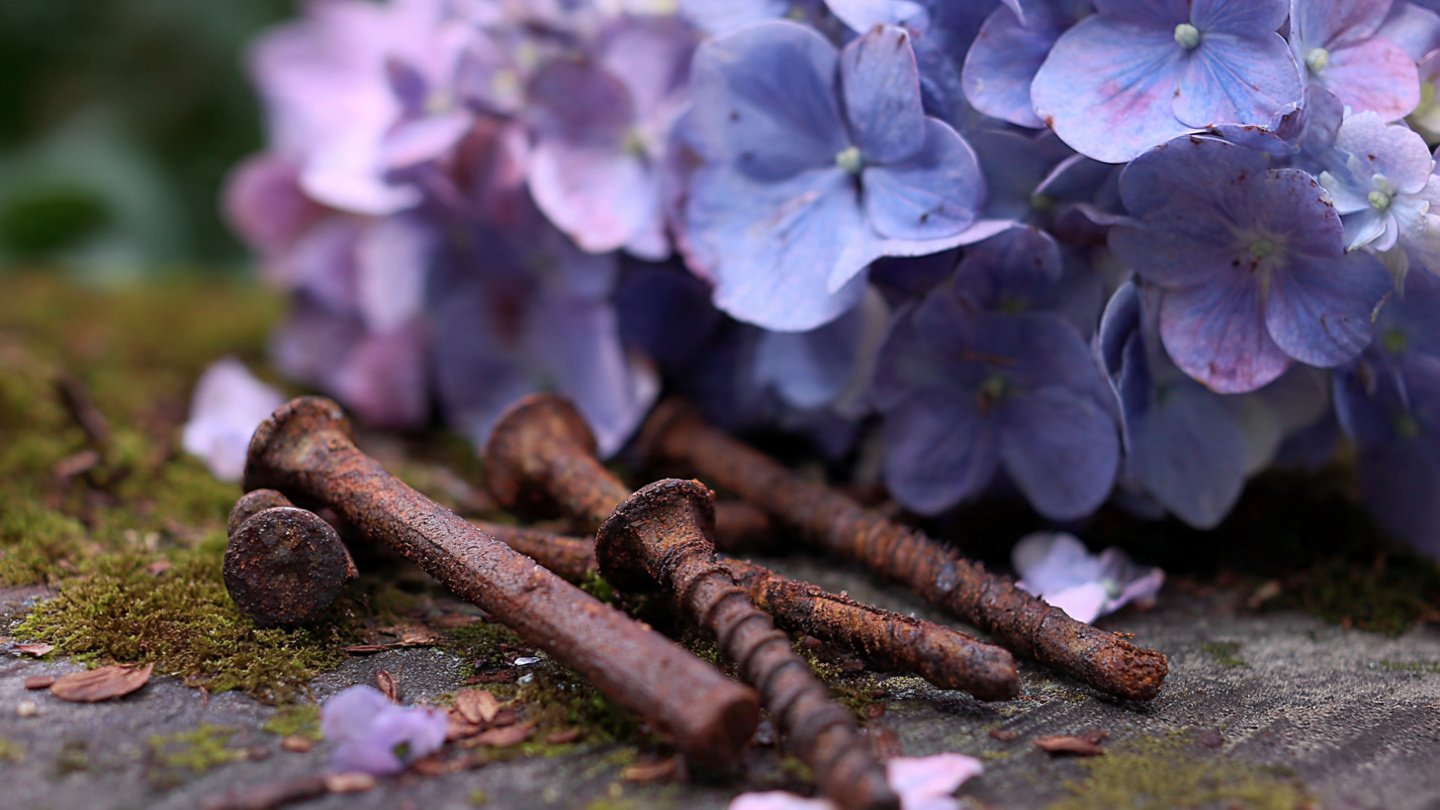
Hydrangeas are popular garden plants known for their vibrant blooms and ability to thrive in various conditions. Gardeners often seek ways to enhance their growth and blooming capabilities. One peculiar practice gaining traction is burying rusty nails near these beautiful shrubs. This age-old gardening tip may seem odd, but it has a foundation in plant nutrition, chemistry, and folklore.
The Science Behind Rusty Nails
What’s the deal with rusty nails? When iron nails rust, they undergo a chemical change that results in the formation of iron oxide. This process is not just a byproduct of neglect; it can be beneficial for plants. Here’s how rusty nails can assist hydrangeas:
1. Iron Enrichment
Iron is an essential nutrient for plant growth. It plays a key role in chlorophyll synthesis, the pigment responsible for the green color of plants and crucial for photosynthesis. When you bury rusty nails, the iron oxide slowly breaks down and becomes available to plants in the surrounding soil.
2. Acidic Soil Preference
Hydrangeas are known for their preference for acidic soil, especially if you want to achieve those stunning blue blooms. The addition of iron, particularly from rusty nails, can help lower pH levels over time, making the soil more acidic. This acidity is ideal for hydrangeas, allowing them to absorb nutrients more efficiently.
3. Slow Nutrient Release
Rusty nails release iron into the soil gradually. This slow release minimizes the risk of over-fertilization, which can harm the plant. Burying nails means nutrients are made available to the plant as it requires them, leading to healthier growth patterns.
How to Use Rusty Nails in Your Garden
If you decide to incorporate rusty nails into your hydrangea care routine, here are some practical steps to follow:
1. Gather Your Materials
Collect a handful of rusty nails. Old, discarded nails work well, but ensure they are not painted or coated with harmful substances.
2. Choose the Right Location
Pick a spot near the base of your hydrangeas, ideally in well-drained soil, to avoid waterlogged conditions. Space the nails out, as burying them in a cluster can create concentrated areas of iron.
3. Bury the Nails
Dig a small hole about 4 to 6 inches deep and place the nails inside. Cover them with soil, ensuring they are well-buried but not too deep to avoid affecting their rusting process.
4. Monitor Soil pH
After burying the nails, periodically check the soil’s pH. You can use a soil pH test kit to determine acidity levels. This process will help you understand how effective the nails are in acidifying your soil.
Other Benefits of Rusty Nails
Besides enhancing iron levels and improving soil acidity, rusty nails offer additional benefits:
1. Eco-Friendly Gardening
Using rusty nails is an excellent way to recycle materials that would otherwise end up in landfills. This practice contributes to a sustainable gardening approach, promoting environmental consciousness.
2. Cost-Effective Solution
Instead of purchasing expensive fertilizers, you can utilize old nails laying around your home or workshop. This cost-effective solution not only benefits your hydrangeas but also reduces unnecessary spending in your gardening routine.
Considerations When Using Rusted Nails
While burying rusty nails can have several benefits, there are some considerations:
1. Quantity Matters
Using too many nails can lead to an excessive release of iron, which might affect the soil’s nutrient balance. A few rusty nails per hydrangea plant are sufficient.
2. Soil Quality
If your hydrangeas are planted in clay-heavy or compacted soil, it may hinder proper drainage. Ensure your garden’s soil composition allows for proper oxygen flow, aiding in the absorption of nutrients.
3. Other Nutrients
While iron is crucial, also consider the overall nutrient balance in your garden. You may need to supplement with other fertilizers or organic material to ensure your hydrangeas remain healthy and vibrant.
Conclusion
Burying rusty nails near your hydrangeas can be a beneficial gardening practice if done correctly. The iron enrichment, gradual nutrient release, and ability to increase soil acidity align with the needs of these beautiful plants. By utilizing a common household item in a creative way, you can enhance the health and vibrancy of your hydrangeas while embracing eco-friendly gardening practices. Always keep an eye on your soil’s pH and make adjustments accordingly to maintain a balanced nutrient profile.
FAQs
1. Can I use any type of nails?
It is best to use plain, rusty iron nails without any coatings. Avoid painted or coated nails to prevent introducing harmful chemicals into the soil.
2. How many nails should I bury?
A handful of nails per hydrangea plant is usually sufficient. Excessive amounts may cause nutrient imbalances.
3. How long does it take for the nails to benefit my hydrangeas?
Benefits can start to show over time, typically in a few weeks to a couple of months as the nails rust and break down, releasing iron into the soil.
4. Will burying nails affect other plants nearby?
If the soil is shared with other plants, monitor their health as well. The change in soil pH could affect plants that prefer neutral or alkaline conditions.
5. Can I use other rusty metal objects?
While rusty nails are common, other rusty metal items can also be used since they provide iron. However, ensure they are small and can be buried safely without harming the plants.