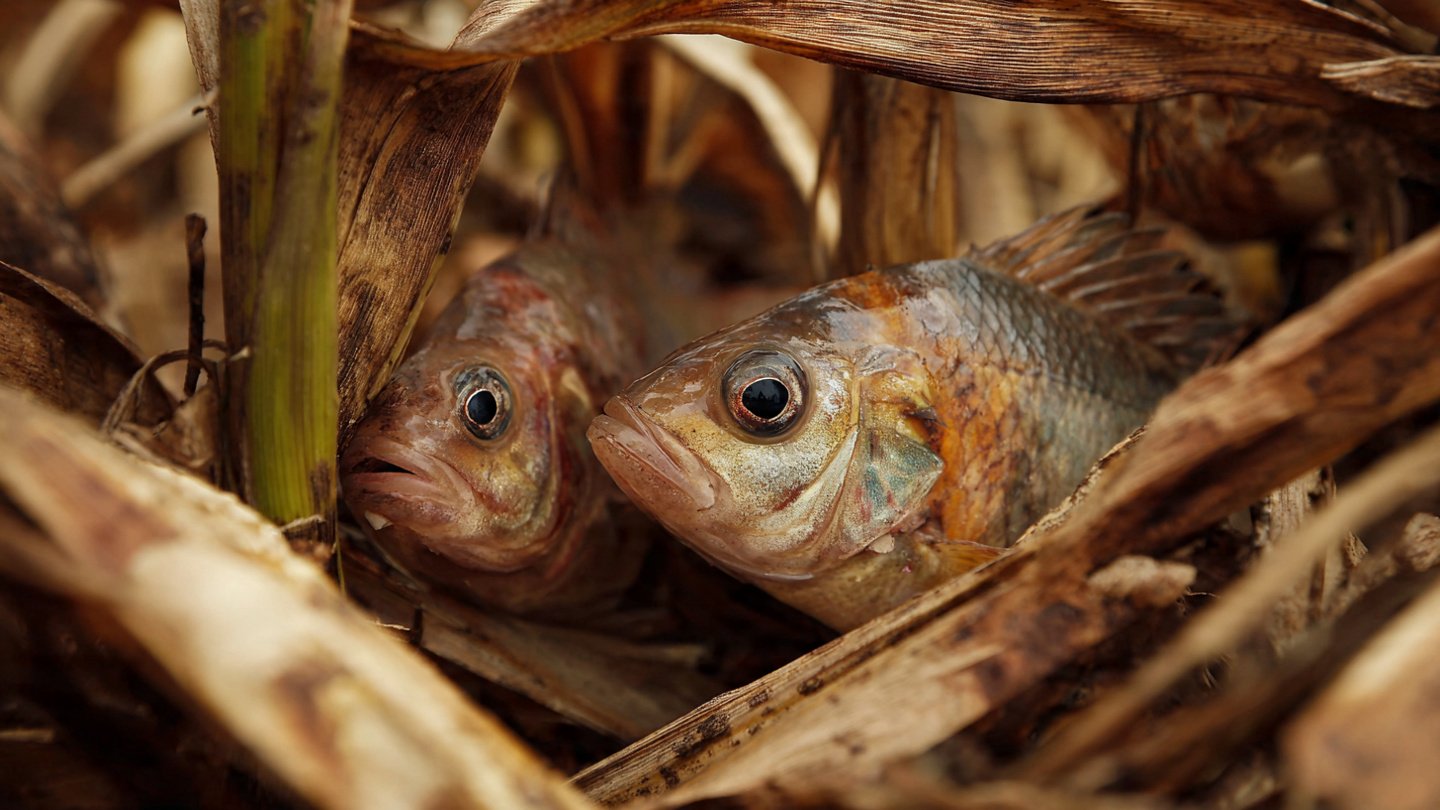
Agriculture is an evolving field, constantly seeking methods that enhance productivity while minimizing environmental impacts. Among emerging practices, an intriguing technique gaining traction involves burying fish heads beneath corn stalks. This method may seem unconventional at first glance, but a closer examination uncovers a blend of sustainability, nutrient cycling, and innovative farming practices.
The Science Behind Nutrient Cycling
At its core, planting strategies like burying fish heads under corn stalks hinges on the concept of nutrient cycling. Nutrient cycling refers to the process by which essential nutrients are recycled in the ecosystem. Plants absorb nutrients from the soil, and when they die or decompose, those nutrients return to the earth, creating a natural loop that sustains subsequent plant life.
Organic Matter and Soil Health
Fish heads are rich in nitrogen and phosphorus—two vital nutrients for plant growth. When buried, they decompose and release these nutrients back into the soil, enriching it and improving overall soil health.
-
Nitrogen: This nutrient is crucial for plant growth, as it forms the foundation of amino acids, proteins, and DNA. When fish heads decompose, nitrogen is made available to crops, supporting robust growth and high yields.
-
Phosphorus: Important for root development and energy transfer in plants, phosphorus is released from fish heads as they break down, promoting healthier plants.
Enhancing Soil Structure
Burying fish heads can also contribute to improved soil structure. As organic matter decomposes, it contributes to soil aggregation, enhancing the soil’s ability to retain moisture and nutrients. Healthy soil structure is vital for preventing erosion and maintaining water retention, particularly in agricultural settings where water efficiency is crucial.
Microbial Activity
The decomposition of fish heads stimulates microbial activity in the soil. Microorganisms play an essential role in nutrient cycling, breaking down organic matter and making nutrients available to plants. A healthy microbial community can increase soil fertility, promoting vigorous crop growth.
A Move Towards Sustainable Practices
The practice of burying fish heads under corn stalks aligns with a growing movement towards sustainable agriculture. Many farmers and agricultural experts are seeking to reduce their reliance on chemical fertilizers, which can lead to soil degradation, water pollution, and other environmental impacts.
Reducing Chemical Inputs
By utilizing fish heads as a natural fertilizer, farmers can reduce their dependence on synthetic fertilizers. This shift not only lowers the environmental footprint of farming operations but also results in healthier produce. Using natural methods for soil enrichment can improve food safety by reducing chemical residues in crops.
Waste Reduction
Fish heads are often a byproduct of the fishing industry, and utilizing them as fertilizer addresses the issue of waste. By integrating these byproducts into agricultural practices, farmers contribute to a circular economy where waste is minimized, and resources are reused.
Practical Application in Farm Fields
The process of burying fish heads under corn stalks involves several straightforward steps:
-
Preparation: After the corn harvest, farmers gather fish heads, often from local fisheries.
-
Burying: Fish heads are buried strategically beneath the corn stalks. This placement allows direct access to the nutrients released as they decompose.
-
Planting: After burying, the area is prepared for new corn planting, ensuring that nutrients are available when the new corn seedlings emerge.
-
Monitoring: Farmers monitor the growth of their crops, watching for signs of enhanced vigor and yield attributable to the buried fish heads.
Expert Insights and Case Studies
Agricultural experts and ecologists have studied the impacts of burying fish heads, documenting improvements in crop yields and soil health. Case studies from regions with significant fish processing industries, such as the Great Lakes area in North America, illustrate the effectiveness of this method.
Positive Outcomes
-
Increased Yields: In trials, farmers who integrated fish heads into their soil have reported yield increases of up to 20% compared to fields without this practice.
-
Soil Health: Soil tests indicate higher nitrogen and phosphorus levels in plots where fish heads were buried, correlating with improved plant health and growth rates.
-
Pest Resistance: Healthier plants tend to be more resilient against pests, reducing the need for chemical pesticides.
Potential Challenges and Considerations
Despite the potential benefits, there are challenges that farmers may face when implementing this strategy.
Odor and Attractiveness to Wildlife
One concern with burying fish heads is the potential for odor and attraction of wildlife. Farmers must ensure that fish heads are buried deep enough to prevent odors from reaching the surface and attracting unwanted animals.
Regulatory Considerations
In some regions, there may be regulations related to the use of animal byproducts in agriculture. Farmers should check local laws to ensure compliance before implementing this technique.
Integrating Fish Heads with Other Practices
While burying fish heads is beneficial, it can be even more effective when combined with other regenerative agricultural practices. Techniques such as crop rotation, cover cropping, and agroecology can create a holistic system that maximizes soil health and crop productivity.
Crop Rotation
Integrating fish heads into a crop rotation system can enhance long-term soil fertility. For instance, rotating corn with legumes can complement the nutrient profile of the soil, as legumes fix atmospheric nitrogen, which can be utilized by subsequent crops.
Cover Cropping
Implementing cover crops during off-seasons can further enrich the soil. Cover crops improve soil structure, prevent erosion, and contribute additional organic matter when tilled into the ground.
Community Engagement and Knowledge Sharing
As this technique becomes more popular, community engagement and knowledge sharing will play crucial roles in its successful adoption. Workshops and educational programs can help disseminate information about the benefits of burying fish heads and best practices for implementation.
Farmer Networks
Creating farmer networks focusing on sustainable practices, including the use of fish heads, can foster collaboration and shared learning. Farmers can exchange experiences, challenges, and strategies, enhancing their collective knowledge and improving regional agricultural practices.
Conclusion
Burying fish heads under corn stalks is more than just a quirky farming practice; it’s a reflection of an evolving agricultural landscape focused on sustainability and health. This practice not only recycles valuable nutrients back into the soil but also aligns with broader efforts to reduce waste, minimize chemical use, and promote healthier crops.
As more farmers embrace and experiment with this method, we may see a significant shift in how we think about waste, soil health, and food production. The integration of such innovative practices represents a step towards a more sustainable agricultural future, benefiting not only farmers but the environment as a whole.