Introduction
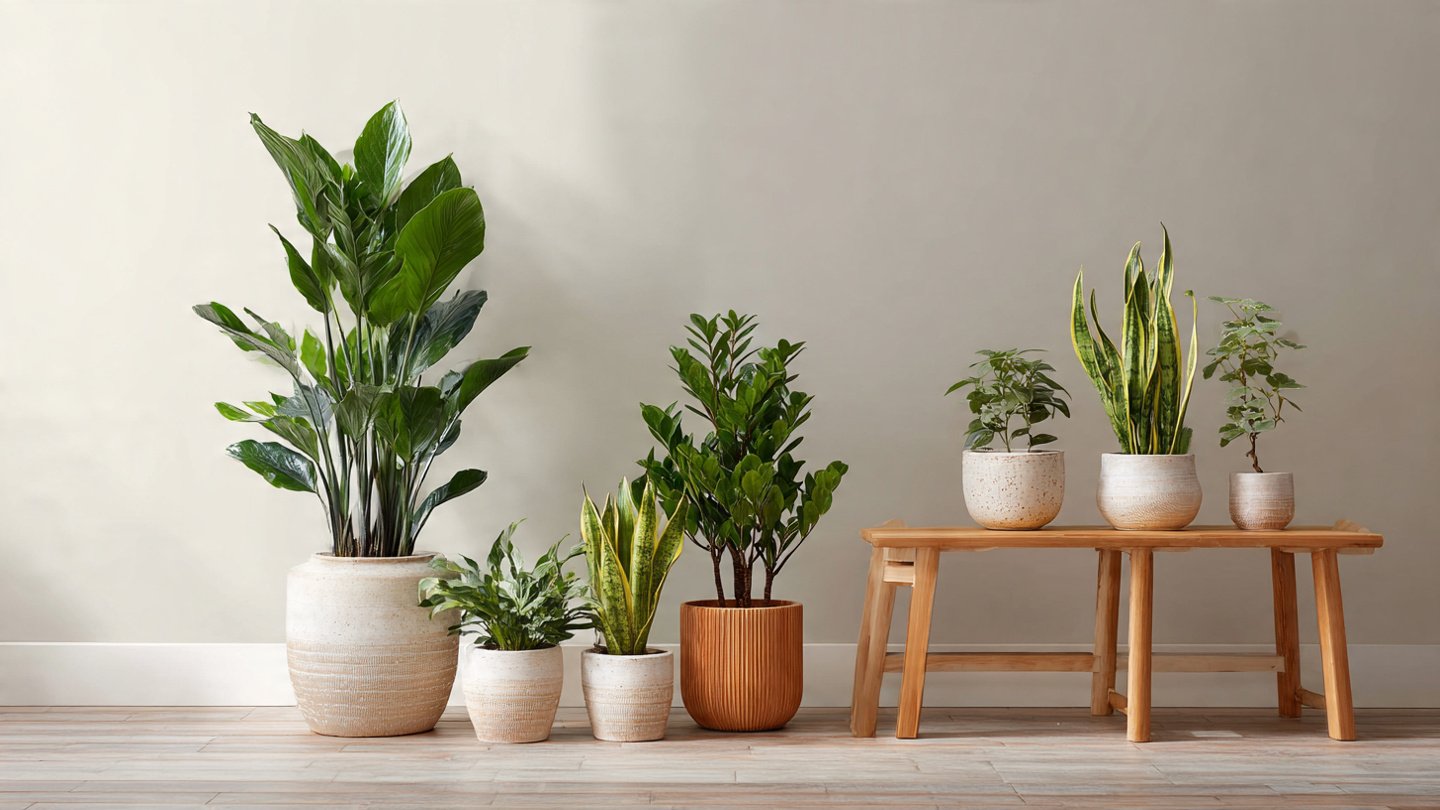
Minimalism as a design philosophy emphasizes simplicity, functionality, and a clean aesthetic. Integrating plants into a minimalist space can add warmth and life, breaking the sterile feel that often accompanies minimalistic design. Choosing the right floor plants can enhance your home and promote tranquility. In this article, we will explore the best floor plants that complement a minimalist aesthetic, considering various factors such as size, maintenance, and visual appeal.
1. Snake Plant (Sansevieria)
The Snake Plant, or Mother-in-Law’s Tongue, is a staple in minimalist design due to its sleek, upright leaves and geometric pattern. This hardy plant thrives on neglect, requiring very little water and indirect sunlight, making it perfect for busy lifestyles.
- Size: Grows up to 4 feet tall.
- Maintenance: Very low; water every few weeks.
- Benefits: Purifies air and removes toxins.
2. ZZ Plant (Zamioculcas zamiifolia)
The ZZ Plant is celebrated for its glossy, dark green leaves that add a striking contrast against neutral walls and furniture. Its low-light tolerance makes it an excellent choice for less well-lit areas of your home.
- Size: Typically grows between 2 to 3 feet tall.
- Maintenance: Minimal; water when soil is completely dry.
- Benefits: Known for its resilience, thrives on neglect.
3. Dracaena
Dracaena plants come in various species with tall, slender trunks and leafy tops that can enhance any minimalist space. Their architectural form brings a touch of elegance without overwhelming the room.
- Size: Varies; some species can grow up to 10 feet tall.
- Maintenance: Moderate; water when the top inch of soil is dry.
- Benefits: Effective at removing toxins from the air.
4. Fiddle Leaf Fig (Ficus lyrata)
The Fiddle Leaf Fig is a favorite among interior designers for its bold, oversized leaves. This plant can act as a stunning focal point in an otherwise simple room, adding personality and life.
- Size: Can grow up to 6 feet tall indoors.
- Maintenance: Requires bright, indirect light and regular watering.
- Benefits: Great for enhancing aesthetic appeal quickly.
5. Kentia Palm (Howea forsteriana)
The Kentia Palm is a luxurious option that embodies the beauty of palm trees without requiring extensive care. Its arching fronds can add verticality to a room.
- Size: Reaches heights of 10 feet.
- Maintenance: Low; tolerate low light.
- Benefits: Improves indoor air quality.
6. Rubber Plant (Ficus elastica)
The Rubber Plant is another design favorite, recognized for its dark, shiny leaves that can vary in color from deep emerald to burgundy. It can grow tall and can serve as a striking statement piece in a minimalist setting.
- Size: Can grow up to 8 feet tall.
- Maintenance: Moderate; water when the soil dries.
- Benefits: Excellent air purifier.
7. Pothos (Epipremnum aureum)
Pothos is an adaptable plant that can be grown in pots or hanging baskets. Its trailing vines and heart-shaped leaves lend a soft touch to minimalist décor while remaining easy to care for.
- Size: Can grow upwards of 10 feet long.
- Maintenance: Low; suitable for low light conditions.
- Benefits: Effective at removing indoor pollutants.
Conclusion
Incorporating floor plants into a minimalist aesthetic not only enhances the visual appeal of your space but also promotes a sense of well-being. The plants mentioned in this article blend effortlessly into a minimalist design while providing various health benefits. When selecting plants, consider your indoor light conditions and maintenance preferences to ensure they thrive in your space. With the right choices, you can create a balanced, serene, and inviting environment that embodies the essence of minimalism.
FAQs
1. What are the most low-maintenance floor plants for a minimalist space?
Some of the most low-maintenance plants include Snake Plant, ZZ Plant, and Pothos. They thrive on neglect and are perfect for busy lifestyles.
2. How can I arrange floor plants in a minimalist room?
Arranging plants in odd numbers (like groups of three or five) can create a more visually appealing display. Consider using plant stands or pots that complement your décor style.
3. Can floor plants improve indoor air quality?
Yes, many indoor plants, such as the Rubber Plant and Dracaena, are known for their air-purifying qualities, making them a great addition to your home.
4. Do all floor plants require direct sunlight?
No, many varieties, like the ZZ Plant and Snake Plant, can thrive in indirect light or low-light conditions, making them ideal for various indoor settings.
5. How often should I water my minimalist floor plants?
Watering frequency varies by species, but a good rule of thumb is to wait until the top inch of soil is dry for most houseplants. Always check specific needs for each plant.