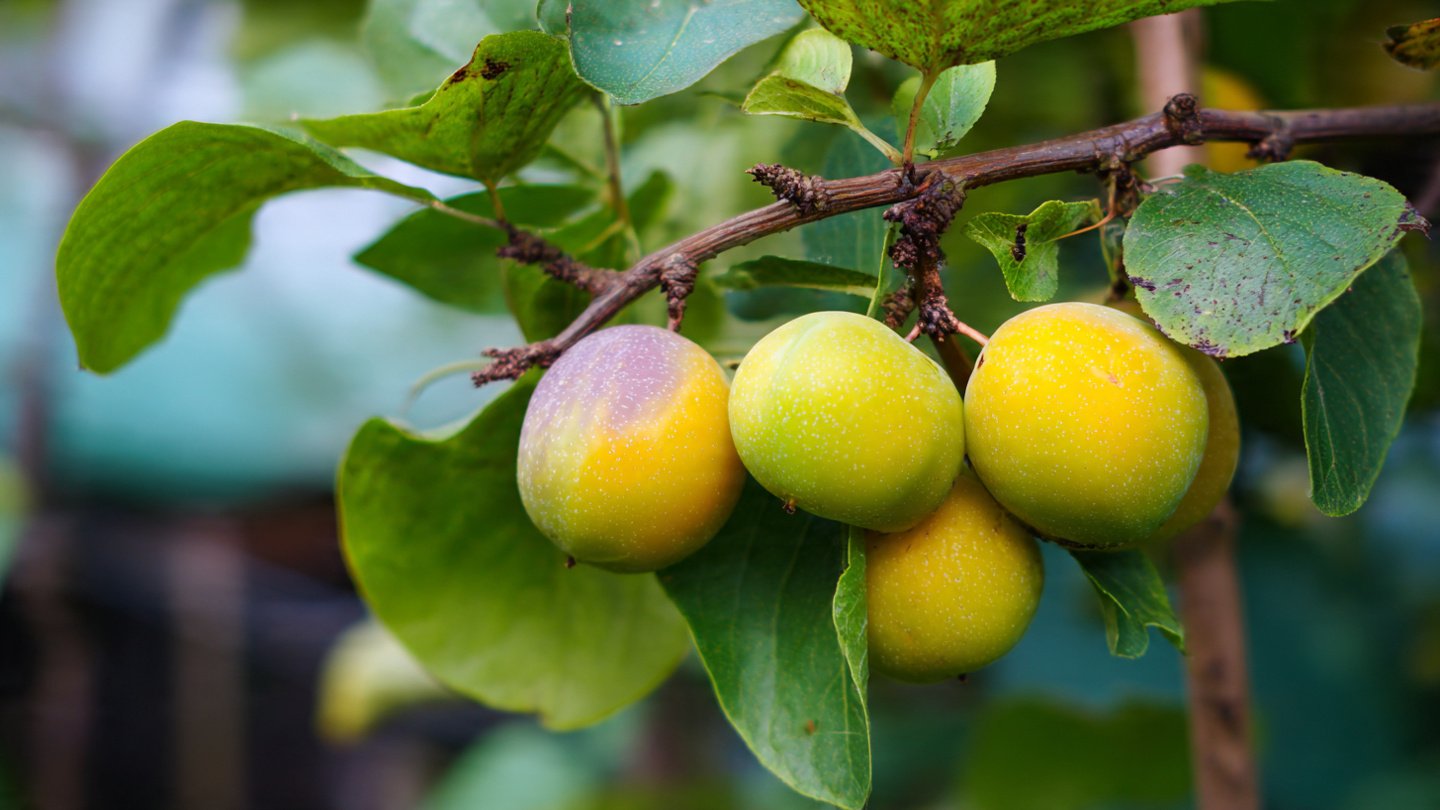
Multi-graft trees are a marvelous innovation in fruit cultivation, allowing gardeners to grow multiple varieties of fruit on a single tree. This method not only maximizes space but also diversifies the harvest and extends the fruiting season. In this article, we will explore how to successfully harvest five different fruits from one multi-graft tree, including the advantages, planting techniques, care instructions, and harvesting tips.
Understanding Multi-Grafting
Multi-grafting involves joining several different varieties of fruit trees onto a single rootstock. The rootstock serves as the foundation from which the different varieties, or scions, grow. Popular rootstocks for multi-grafting include those of apple, pear, and stone fruit trees like peaches and plums.
By selecting compatible scion varieties, gardeners can produce a harmonious tree that flourishes. Each variety can come into fruit at different times, allowing for an extended harvest period. Additionally, multi-graft trees can be a great solution for small spaces, enabling you to grow several fruit types in one area.
Selecting the Right Varieties
Choosing compatible fruit varieties is crucial for a successful multi-graft tree. When selecting, consider the following:
- Compatibility: Ensure that the rootstock and scions are botanically compatible for successful grafting.
- Seasonality: Choose varieties that fruit at different times to maximize your harvest throughout the growing season.
- Climate Requirements: Ensure all varieties can thrive in the same environmental conditions, including temperature and sunlight.
- Pollination Needs: Some fruit varieties require cross-pollination for effective fruit set, so consider planting pollinator varieties.
Steps to Create a Multi-Graft Tree
Creating a multi-graft tree involves several steps, from choosing the right rootstock to grafting onto it. Here’s how to do it:
1. Choose Your Rootstock
Select a healthy rootstock that can support multiple grafts. Common choices include:
- Apple rootstocks like M27 or M106 for cold climates.
- Pear rootstocks such as Quince.
- Stone fruit rootstocks that are suited to your specific area.
2. Prepare the Scions
Scions are the branches or buds from which your different fruit types will grow. Select healthy, disease-free branches from desired varieties. It’s best to collect them during the dormant season:
- Cut scions at least 6-12 inches long.
- Make a clean cut at an angle to maximize surface area for grafting.
- Store the scions in a cool, moist environment until they are ready to be grafted.
3. Grafting Techniques
There are various grafting techniques to consider. Here are two commonly used methods:
- T-Budding: A bud from the scion is inserted beneath the bark of the rootstock.
- Sided Approach Graft: A slanted cut is made on both the scion and rootstock, with the pieces joined together.
Choose the method you are most comfortable with, or consult a grafting guide to learn the specifics.
4. Caring for Your Multi-Graft Tree
Once your multi-graft tree is established, ongoing care is essential:
- Watering: Water deeply during dry periods, especially in the root establishment phase.
- Fertilizing: Use balanced fertilizers tailored to fruit trees, especially in early spring for promoting growth.
- Pest and Disease Control: Regular monitoring helps prevent infestations and diseases. Employ organic methods when possible.
- Pruning: Regular pruning is vital to remove dead or diseased wood and to maintain a balanced canopy.
Harvesting Your Fruits
Once your multi-graft tree matures, harvesting can begin. The timing and method will depend on the type of fruits grown:
1. Apples
Harvest when they are firm, juicy, and easily come off the tree. Slight color change is also a good indicator.
2. Pears
Pears should be harvested when they are firm to the touch and have slightly changed color. They will ripen after being picked.
3. Peaches
Look for a fragrant aroma and a slight give when gently squeezed. These are signs of ripeness.
4. Plums
Harvest plums when they have softened and the color is vibrant. A gentle twist will typically detach them from the tree.
5. Cherries
Harvest cherries when they are fully colored; they should come off easily with a gentle tug.
Conclusion
Harvesting multiple fruit types from one multi-graft tree is an enriching experience for the gardener. With careful selection of rootstocks and scion varieties, combined with proper care techniques, you can enjoy a diverse and abundant harvest. Embracing multi-graft trees not only optimizes space and fruit variety but also adds a unique aspect to your garden. Happy gardening!
FAQs
1. Can any fruit trees be multi-grafted together?
Not all fruit trees are compatible. Generally, trees within the same genus can be successfully grafted together.
2. How long does it take for grafts to produce fruit?
Depending on the type of fruit tree and grafting success, it can take 1-3 years for grafts to bear fruit.
3. What should I do if a graft fails?
If a graft fails, you can attempt to re-graft a new scion onto the same rootstock or replace it entirely.
4. Do multi-graft trees require any special care?
Multi-graft trees require similar care to single-variety trees, but monitoring graft health and managing diverse pest concerns is essential.
5. Can I control which fruits ripen first?
While you can select varieties with different ripening times, once grafted, the timing is largely dependent on each variety’s natural cycle.