Introduction
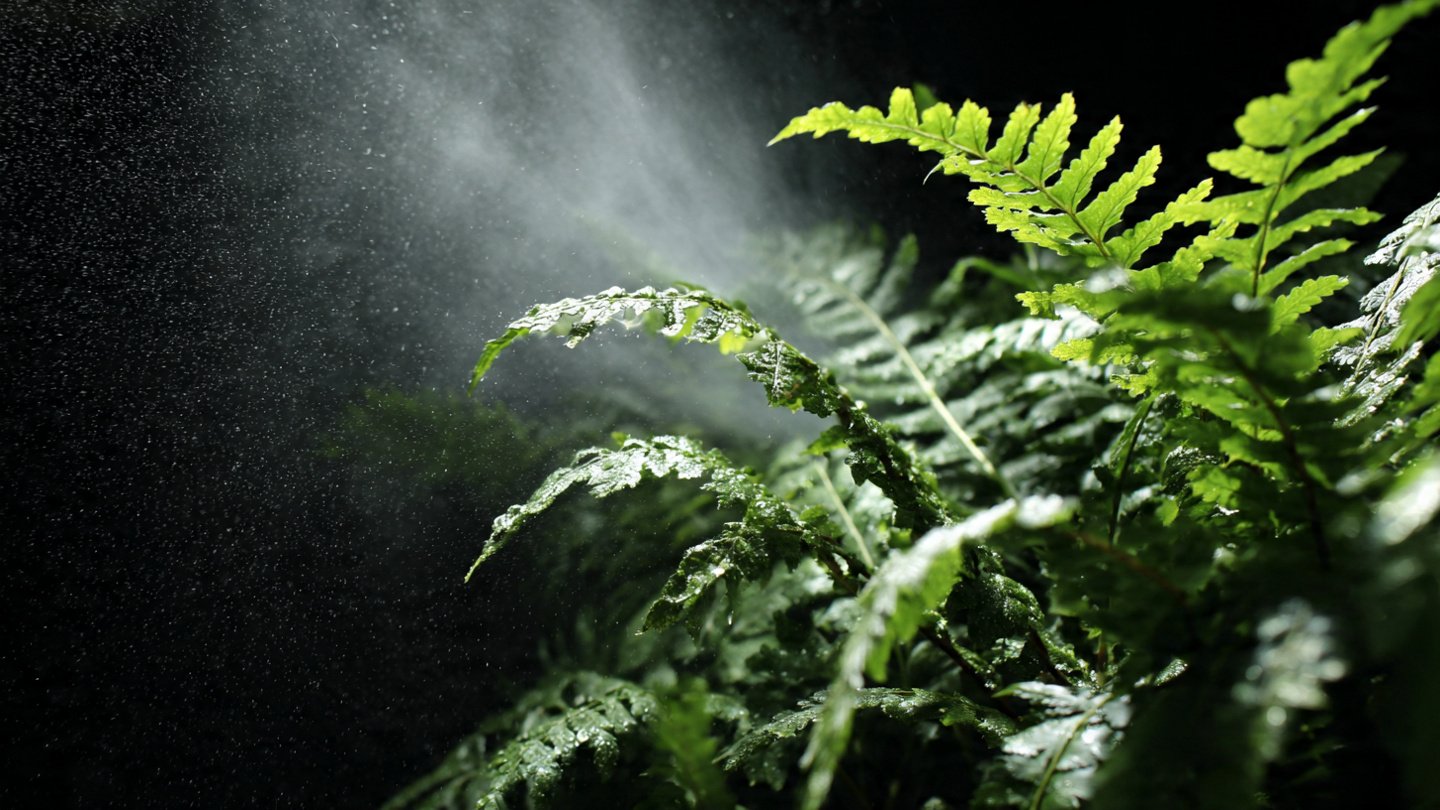
Boston ferns (Nephrolepis exaltata) are a popular choice for indoor greenery due to their lush appearance and air-purifying qualities. However, to keep these ferns looking their best, daily misting can be an essential part of your care routine. In this article, we’ll explore how daily misting helps maintain the health and vibrancy of Boston ferns, addressing their specific needs and offering practical tips for successful plant care.
The Importance of Humidity
Boston ferns are native to tropical climates where humidity levels are naturally high. Therefore, these plants thrive in environments that mimic their natural habitat. In homes, especially in regions with dry or heated air, the humidity levels can drop significantly, leading to various issues for your fern. Misting provides a way to artificially increase humidity around the plant.
Benefits of Daily Misting
1. Enhances Humidity
By misting your Boston fern daily, you create a more humid microclimate around the plant. This enhanced humidity is crucial for preventing the fronds from turning brown and crispy, which can occur when the air is too dry. Proper humidity also promotes healthy growth and vibrant foliage.
2. Prevents Pest Infestations
Misting can also deter common pests that affect ferns, such as spider mites and mealybugs. These pests thrive in dry environments, so maintaining humidity through misting can reduce their chances of taking hold of your plant.
3. Cleans Dust and Debris
Dust and debris can accumulate on the fronds of your Boston fern, blocking sunlight and reducing its ability to photosynthesize effectively. A gentle misting helps to wash away this debris, ensuring that your plant can capture as much light as possible for healthy growth.
4. Aids in Photosynthesis
Proper moisture levels are essential for photosynthesis. Water vapor in the air helps facilitate the transfer of gases necessary for this process. When you mist your Boston fern, you support its natural functions, ensuring that it can grow strong and healthy.
How to Mist Your Boston Fern Effectively
1. Choose the Right Time
Misting is most effective when done in the morning. This allows droplets to evaporate during the day without leaving the leaves overly saturated, which can lead to fungal growth if left in damp conditions overnight.
2. Use Distilled or Rainwater
Tap water can contain chlorine and other chemicals that may be detrimental to your fern’s health. Using distilled or rainwater ensures that the water you apply is free from these harmful substances, helping your plant to thrive.
3. Adjust for Environment
If your home is particularly dry or if the heating system creates low humidity, daily misting may be necessary. In contrast, if you live in a naturally humid environment, you may only need to mist a few times a week. Monitor your fern’s response and adjust as needed.
4. Monitor Soil Conditions
While misting increases humidity, it does not replace the need for proper soil moisture. Be sure to check the soil regularly to ensure it is adequately moist but not soggy. Overwatering can lead to root rot, which can be just as harmful as dry air.
Common Mistakes to Avoid
1. Over-Misting
It’s possible to overdo misting. While a daily mist can be beneficial, excessive moisture can lead to fungal diseases. If the air in your home is not excessively dry, consider misting every two to three days instead.
2. Using Hard Water
Hard water can leave mineral deposits on the leaves of your fern. This not only looks unsightly but can affect the plant’s ability to absorb light. Stick with distilled or rainwater when misting.
3. Neglecting Other Care Factors
While misting is important, it’s only one aspect of plant care. Ensure you are also providing adequate light, nutrition, and soil conditions for your Boston fern to thrive.
Conclusion
Daily misting is an effective way to keep your Boston fern vibrant and healthy, especially in environments that don’t naturally provide the humidity levels these plants require. By enhancing humidity, preventing pests, cleaning leaves, and supporting photosynthesis, misting plays a critical role in the overall well-being of your fern. Remember to monitor environmental conditions, adjust misting frequency accordingly, and consider other care aspects to ensure your Boston fern remains a lush and beautiful addition to your home.
FAQs
1. How often should I mist my Boston fern?
Generally, misting once a day is ideal, especially in dry conditions. However, you can adjust frequency based on your home’s humidity levels.
2. Can I mist my Boston fern at night?
It’s best to mist in the morning to ensure leaves dry out during the day, reducing the risk of fungal infections.
3. What type of water is best for misting?
Distilled or rainwater is recommended since it does not contain harmful chemicals found in tap water.
4. Is misting a substitute for watering?
No, misting helps with humidity but does not substitute for regular watering of the soil.
5. What signs indicate my Boston fern needs more humidity?
Signs include brown tips on the fronds, wilting, or drooping leaves. If you notice these, increasing misting frequency may help.