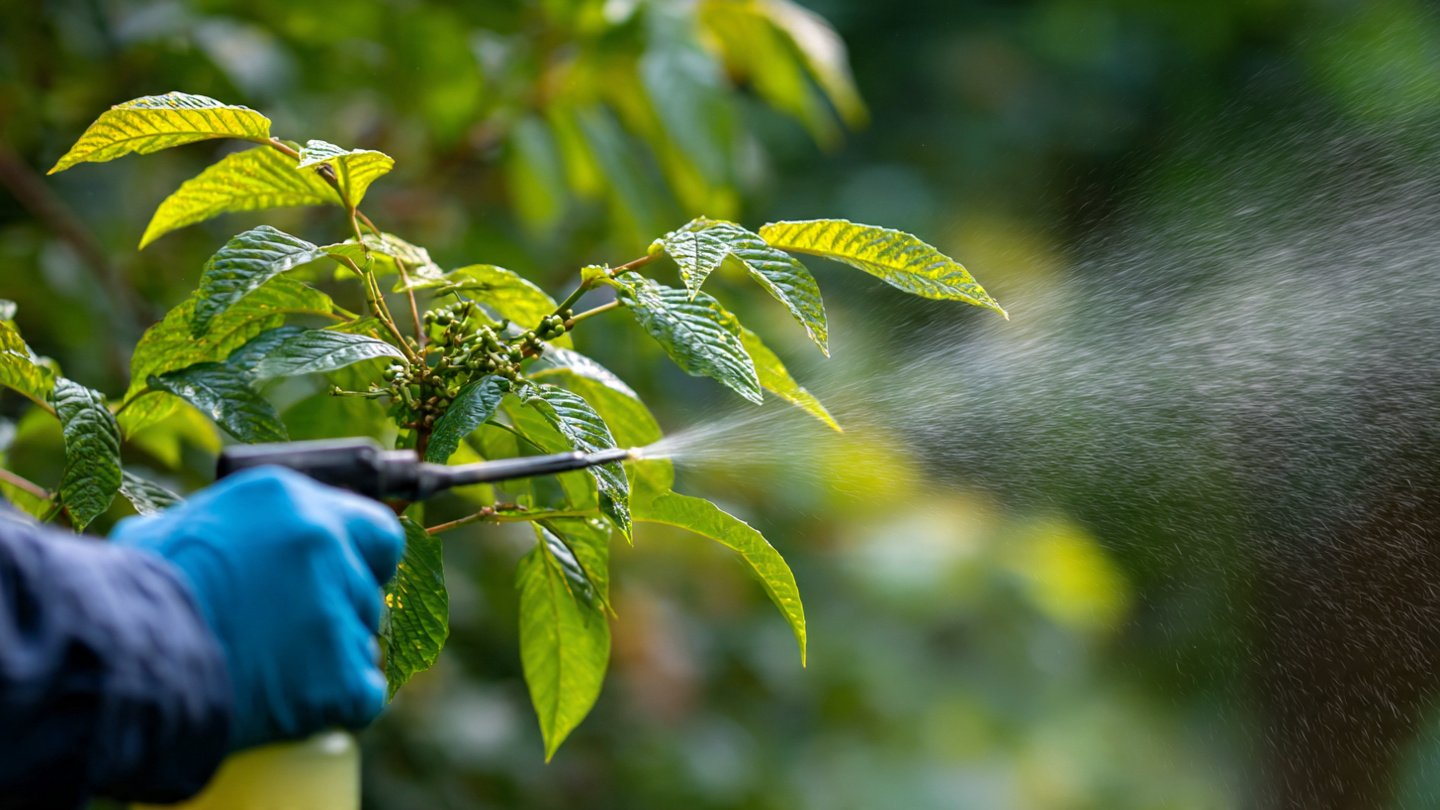
In the realm of pest prevention, neem oil is gaining popularity as a natural and effective solution. Derived from the seeds of the neem tree (Azadirachta indica), which is native to the Indian subcontinent and other parts of the world, neem oil has been utilized for centuries in traditional medicine and agriculture. Its wide range of benefits and minimal environmental impact make it an attractive choice for gardeners and farmers alike. This article explores the various ways neem oil can transform your pest prevention strategy, offering insight into its benefits, applications, and effectiveness.
Understanding Neem Oil
Neem oil is extracted from the seeds of the neem tree and contains numerous active compounds, including azadirachtin, nimbin, and salannin. These compounds are responsible for the oil’s insecticidal properties and its ability to interfere with the life cycle of various pests. One of the most significant advantages of neem oil is its effectiveness against a wide range of insect pests, including aphids, mites, whiteflies, and many others.
The Mode of Action
Neem oil works in several ways to control pests:
- Repellent: When applied, neem oil creates a barrier that deters pests from approaching plants.
- Growth Inhibitor: Neem oil disrupts the hormonal systems of insects, preventing them from maturing and reproducing.
- Feeding Deterrent: The taste of neem oil can deter insects from feeding on treated plants.
- Fungal Protection: Apart from insect control, neem oil can help in managing certain fungal diseases.
Benefits of Using Neem Oil
The use of neem oil as part of your pest prevention strategy comes with several noteworthy benefits:
1. Non-Toxic Nature
Unlike synthetic pesticides, neem oil is safe for humans, pets, and beneficial insects like bees and butterflies when used correctly. This makes it an environmentally friendly option for pest management.
2. Broad Spectrum of Activity
Neem oil acts against a wide variety of pests, making it a versatile tool in your pest management arsenal. It can handle both soft-bodied and hard-bodied insects.
3. Residual Effect
After application, neem oil remains effective for a considerable time, offering ongoing protection against pests. Regular applications can help maintain pest pressure at bay.
4. Disease Control
Besides repelling insects, neem oil can also deter some fungal pathogens, giving plants added protection against diseases such as powdery mildew and leaf spots.
5. Cost-Effective
Neem oil is often more affordable than commercial pesticides, and because it is concentrated, a little goes a long way. This makes it an economical choice for both small gardeners and large-scale farmers.
How to Use Neem Oil
To effectively use neem oil, it is essential to follow specific guidelines. Here’s a general approach:
1. Selecting the Right Product
Neem oil is available in various formulations, including pure oil, concentrated solutions, and ready-to-use sprays. Ensure you select a product that suits your needs.
2. Mixing the Solution
When using concentrated neem oil, follow the manufacturer’s instructions. Typically, this involves mixing a specific amount of neem oil with water and an emulsifier (like liquid soap) to enhance its effectiveness.
3. Application
Spray the mixture directly onto affected plants, ensuring thorough coverage on both the tops and undersides of leaves. It is advisable to apply neem oil in the early morning or late evening to prevent leaf burn and maintain effectiveness.
4. Frequency of Application
For best results, apply neem oil every 7-14 days, depending on the severity of the pest problem. Always monitor plants for any signs of pests or disease and adjust your application frequency accordingly.
Integrating Neem Oil into Your Pest Prevention Strategy
Neem oil can be seamlessly integrated into a holistic pest management approach. Here are some tips on how to do so:
1. Combine with Other Organic Practices
For optimal results, use neem oil in conjunction with other organic pest control methods, such as introducing beneficial insects, crop rotation, and maintaining healthy soil.
2. Monitor and Assess
Regular monitoring of your plants is essential. By keeping an eye on pest populations and plant health, you can respond quickly and adjust your neem oil regimen as necessary.
3. Start Early
To prevent infestations, apply neem oil as a preventive measure even before pests appear. This proactive strategy can save you time and effort in the long run.
Conclusion
In summary, neem oil offers a powerful, natural solution for pest prevention, transforming your pest management strategy with its effective and environmentally conscious properties. By utilizing neem oil, gardeners and farmers can protect their plants from a variety of pests while promoting a healthier ecosystem. Its non-toxic nature, broad-spectrum effectiveness, and cost-efficiency make it an invaluable addition to any pest prevention toolkit. Embracing neem oil not only enhances your gardening practices but also contributes to a more sustainable approach to pest management.
FAQs
1. Is neem oil safe for pets and humans?
Yes, neem oil is generally considered safe for pets and humans when used according to instructions. However, it’s best to keep pets away from treated plants until the spray dries.
2. Can I use neem oil on vegetable plants?
Absolutely! Neem oil is safe for use on a wide variety of food crops, including vegetables and herbs.
3. How often should I apply neem oil?
For effective pest control, you should apply neem oil every 7-14 days, depending on the severity of the pest issue.
4. Will neem oil kill beneficial insects?
Neem oil is less harmful to beneficial insects like ladybugs and bees when applied correctly. To minimize impact, apply neem oil in the evening or early morning when these beneficial insects are less active.
5. How do I store neem oil?
Store neem oil in a cool, dark place away from direct sunlight. Proper storage can prolong its shelf life and effectiveness.