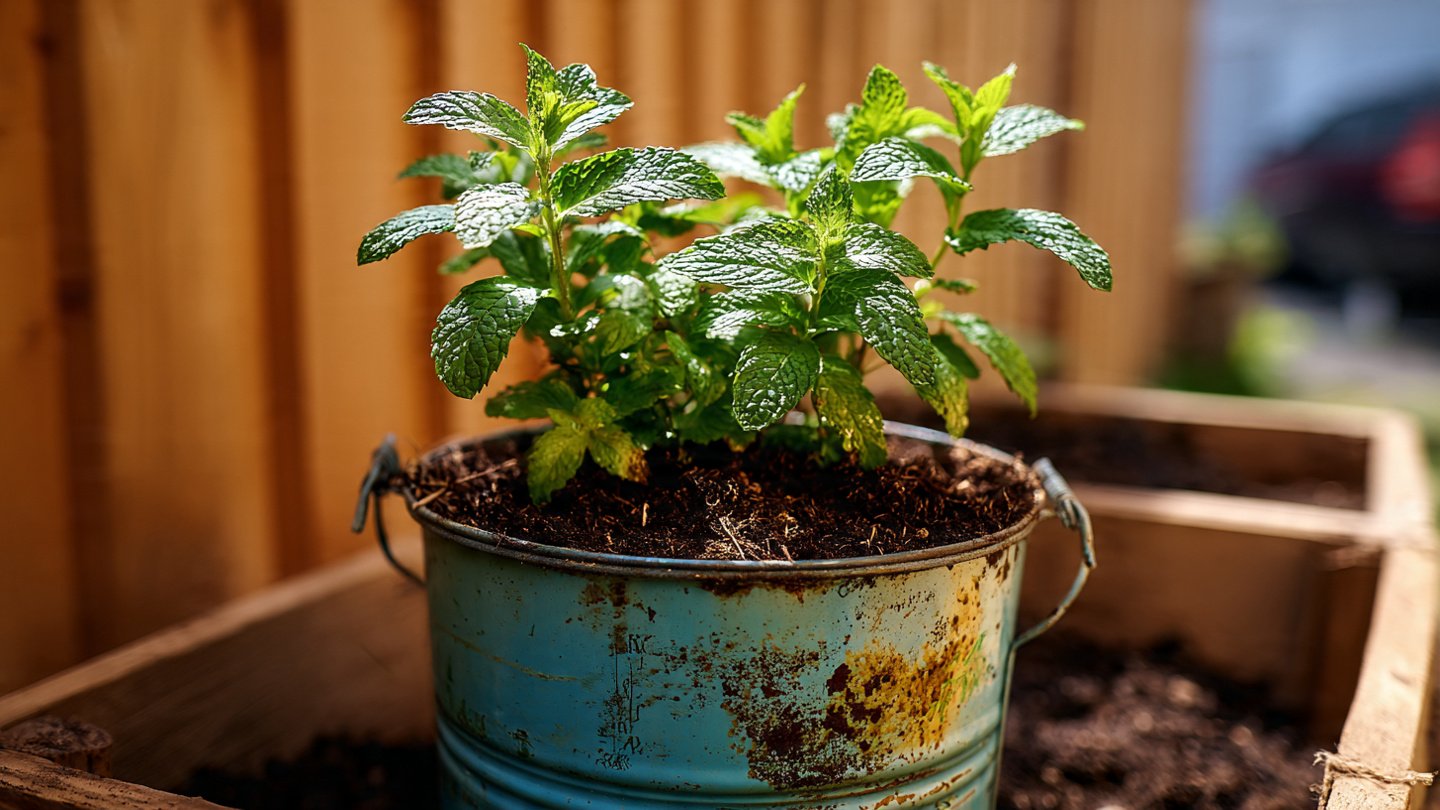
Mint is a versatile and fragrant herb that many gardeners cherish for its culinary and medicinal properties. However, growing mint can sometimes become a challenge due to its aggressive growth habits. This article explores the reasons why you might consider planting mint in a buried bucket instead of directly in the soil.
Understanding Mint’s Growth Habits
Mint belongs to the Mentha family and includes various species, such as spearmint and peppermint. Known for its aromatic leaves, mint can be used in everything from teas to garnish. However, this very adaptability also comes with a downside: mint is notorious for spreading rapidly. In optimal conditions, mint can take over a garden bed, crowding out other plants and creating a headache for gardeners.
The Buried Bucket Method
Planting mint in a buried bucket involves digging a hole in the ground and placing a bucket—preferably one with holes at the bottom—inside it to contain the mint’s roots. This method provides several benefits that you’ll find advantageous as you grow your mint.
Benefits of Using a Buried Bucket
1. Containment of Roots
Mint tends to spread via underground rhizomes, which can extend quite far. By planting mint in a buried bucket, you effectively limit the root spread, preventing it from taking over your garden bed. Roots will grow within the confines of the bucket, allowing you to better control the plant’s expansion.
2. Easier Maintenance
When mint is confined to a bucket, it reduces the amount of weeding and maintenance needed. You can more easily tend to your mint without the overwhelming task of managing a sprawling plant. This containment also makes it easier to monitor for pests or diseases.
3. Better Drainage
Using a bucket can improve drainage for your mint. Proper drainage is crucial to avoid root rot, especially in areas with heavy rainfall. A bucket can help to ensure that excess water drains away while still retaining moisture within its confines.
4. Enhanced Flavor and Aroma
Mint grown in a confined space can often have a more concentrated flavor and aroma. This intensified growth can enhance the quality of the leaves, making them more potent for culinary use. Without competition from neighboring plants, the mint can focus its energy on producing flavorful leaves.
5. Portability
Another added benefit is the ability to move the bucket if necessary. If you find that the location is not ideal—whether due to sunlight, shade, or other conditions—you can easily relocate the bucket without disturbing the entire plant or surrounding garden bed.
How to Use the Buried Bucket Method
Implementing the buried bucket method involves a few simple steps:
- Choose the Right Bucket: Select a bucket made of durable material with drainage holes. A 5-gallon bucket is usually sufficient for mint.
- Prepare the Hole: Dig a hole in your garden bed that’s slightly larger than the bucket. Ensure that it’s deep enough to allow for adequate drainage.
- Fill the Bucket: Fill the bucket with quality potting soil, leaving some space at the top. It’s important that the soil has good drainage properties.
- Plant the Mint: Place your mint plants or seeds into the bucket and cover them with soil. Water them adequately after planting.
- Monitor Growth: Ensure that your mint receives ample sunlight and regular watering. It’s also wise to occasionally check for any pests or diseases.
Common Mistakes to Avoid
Even with the bucket method, there are a few common pitfalls to be aware of:
- Overwatering: Although mint likes moisture, overwatering can lead to root rot. Make sure the bucket drainage is functional and monitor soil moisture levels.
- Neglecting Sunlight: Mint prefers full sun, so ensure that your bucket is placed in a location where it will receive at least 6 hours of sunlight each day.
- Forgetting to Fertilize: While mint isn’t particularly demanding when it comes to nutrients, a little fertilizer can go a long way in promoting lush growth.
Conclusion
Planting mint in a buried bucket rather than directly in the soil can be a game-changer for both novice and experienced gardeners. This method retains the plant’s vibrant characteristics while mitigating the challenges associated with its vigorous growth. By containing the roots, improving drainage, and enhancing the plant’s flavor, you set the stage for a successful mint-growing experience. Whether you’re using mint for culinary purposes or simply enjoy its fragrance in your garden, the buried bucket method offers long-term benefits that can elevate your gardening efforts.
FAQs
1. Can I plant different varieties of mint in the same bucket?
Generally, it’s advisable to plant only one variety of mint per bucket. Different types may compete for resources, which could lead to poor growth.
2. How often should I water my mint in a buried bucket?
Water your mint when the top inch of soil feels dry. This could vary based on climate and season, so always check the soil moisture before watering.
3. How do I prevent pests on my mint plant?
Keep an eye out for common pests like aphids and spider mites. You can use insecticidal soap or neem oil sprays as a natural remedy to control infestations.
4. Can I grow mint indoors using the buried bucket method?
Yes, you can grow mint indoors using this method, as long as the plant receives enough light. Consider placing it near a window or using grow lights.
5. How do I harvest mint from a buried bucket?
To harvest mint, simply cut the stems at the desired height, leaving some leaves on the plant for regrowth. Regular harvesting encourages a bushier plant.