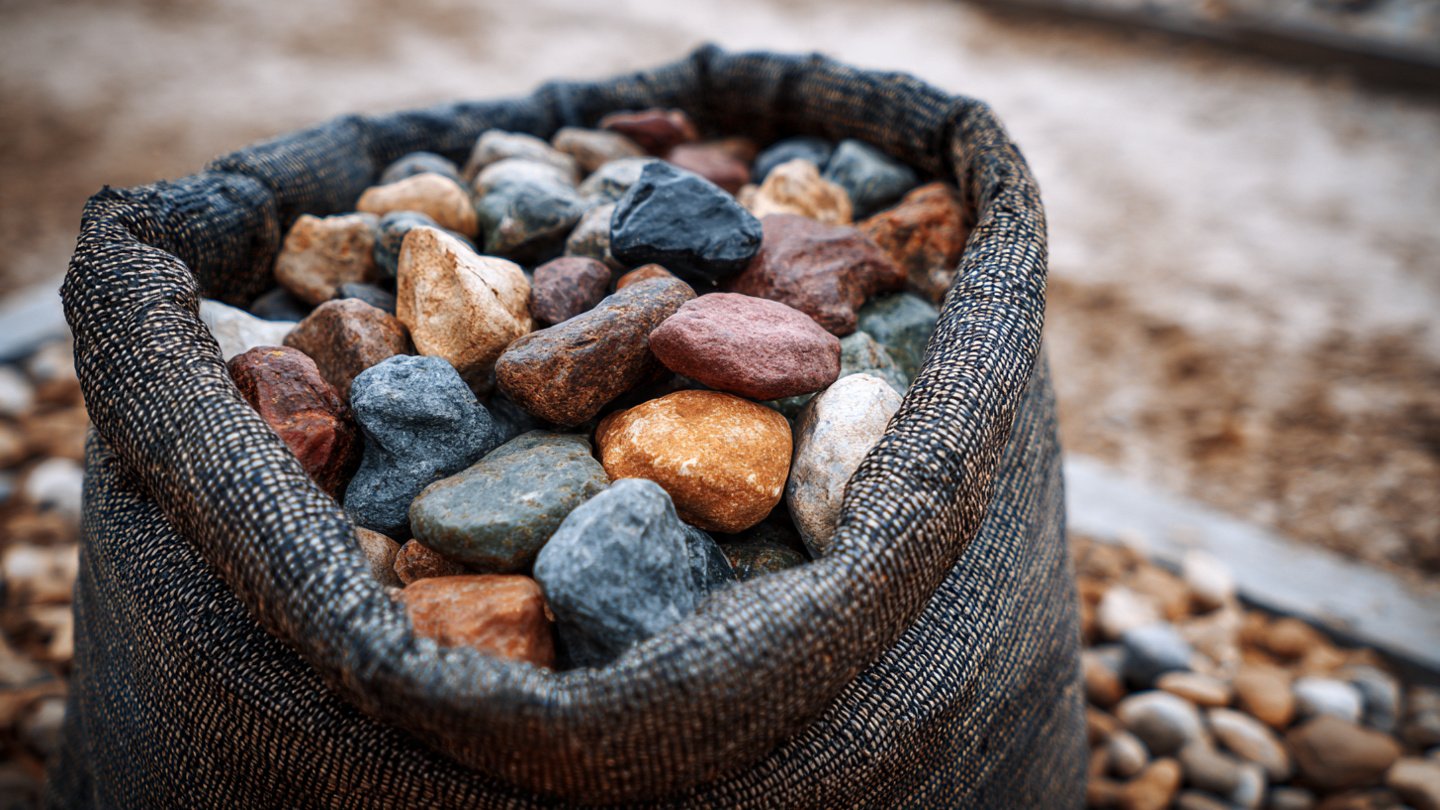
When it comes to gardening, one of the most essential elements to consider is drainage. Waterlogged soil not only hinders plant growth but can also lead to root rot and other plant diseases. For many gardeners, addressing drainage issues can seem daunting. However, you might be surprised to learn that a simple bag of rocks can be a game changer in transforming your garden’s drainage system.
Understanding Garden Drainage
The foundation of any healthy garden lies in its drainage system. Good drainage ensures that excess water doesn’t accumulate around plant roots. Instead, it aids in the gradual absorption of moisture into the soil, promoting healthy root development. Inadequate drainage can be attributed to various factors, including:
- Poor soil composition
- Heavy clay soils
- Compacted soil
- Geographical location
To mitigate the problems caused by inadequate drainage, many gardeners resort to methods like installing drainage systems or elevated beds. However, simpler solutions may be right at your fingertips. Using a bag of rocks is one such solution that can effectively enhance drainage.
How Rocks Improve Drainage
Rocks play a significant role in promoting better drainage in gardens. Here’s why:
1. Improved Soil Aeration
Adding rocks to the soil can help break up compacted layers, allowing air to flow more freely. This improved aeration is crucial for root systems, as it promotes a healthy exchange of gases necessary for plant growth.
2. Enhanced Water Percolation
Rocks create voids or spaces in the soil, allowing water to flow through more easily. This not only prevents standing water but also helps distribute moisture evenly throughout the soil, ensuring that plants receive the hydration they need without becoming inundated.
3. Control Soil Temperature
Rocks can act as natural insulators. By using rocks in your garden, you can help moderate soil temperature, which is beneficial for plant roots. This ensures that roots do not become too hot or too cold, further reducing stress on your plants.
How to Use Rocks in Your Garden
Now that you understand how rocks can benefit your garden’s drainage, let’s explore some practical methods for incorporating them.
1. Create a Rock Bed
One effective method is to create a rock bed or rock garden. You can utilize different sizes of rocks, layering them elegantly to create an aesthetically pleasing landscape. This setup not only enhances drainage but also provides a unique visual element to your garden.
2. Incorporate Rocks into Existing Soil
For those without the space for a designated rock garden, incorporating smaller pebbles or gravel directly into existing soil can be beneficial. Mix them into the top layer of soil to enhance drainage capabilities while retaining the garden’s existing structure.
3. Using Rocks in Raised Beds
If you’re using raised beds to grow flowers or vegetables, you can place a layer of rocks at the bottom. This method allows excess water to drain away quickly, preventing root rot. Once again, the addition of rocks improves aeration, allowing the roots to thrive.
Choosing the Right Type of Rocks
When selecting rocks for your garden, certain types will work better than others. Here are some common options:
1. River Rocks
These smooth stones are not only aesthetically pleasing but also allow for excellent water flow due to their size and shape. Their rounded edges make them ideal for preventing soil compaction.
2. Gravel
Gravel is a popular choice among gardeners. It’s lightweight, comes in various sizes, and provides excellent drainage. It is often used in patios and pathways, but it can also work well in garden beds.
3. Lava Rocks
Not only are lava rocks lightweight, but their porous structure allows for superior drainage and aeration. They are often used in succulent gardens and can help retain some moisture without causing root rot.
Considerations When Using Rocks
While rocks can be incredibly beneficial for drainage, there are a few considerations to keep in mind:
1. Soil Composition
Assess the natural composition of your soil before adding rocks. If you start with sandy soil, adding rocks may not significantly enhance drainage. Conversely, if you have heavy clay soil, rocks can improve conditions drastically.
2. Weight
Rocks can be heavy, so consider their placement carefully. If you’re adding them to raised beds or planters, ensure they can support the added weight without compromising structure.
3. Aesthetic Appeal
Consider how the rocks will blend into your garden design. Using decorative rocks or choosing a color that complements your plants can enhance your garden’s overall aesthetics.
Conclusion
A simple bag of rocks can indeed transform your garden’s drainage. By increasing soil aeration, enhancing water percolation, and controlling soil temperature, these rocks can create a healthier environment for your plants. Whether you choose to create a dedicated rock garden, mix them into existing soil, or use them in raised beds, rocks provide both functional and aesthetic benefits. Take the time to assess your garden’s unique drainage issues, choose the appropriate type of rocks, and enjoy the transformation in your garden’s health and beauty.
FAQs
1. Can I use any type of rocks in my garden?
While many types of rocks can be used, it’s best to select those that promote drainage, such as river rocks or gravel. Avoid using large boulders that may not facilitate proper water flow.
2. How much rock do I need for my garden?
The amount of rock needed depends on the size of the area you want to enhance. A general guideline is to use 1-3 inches of rocks layered on top of your soil or as a base in raised beds.
3. Will using rocks hurt my plants?
Using the right type of rocks will not harm your plants and can actually benefit their growth by improving drainage and aeration. Just be sure to monitor moisture levels to avoid dehydration.
4. How often should I refresh the rocks in my garden?
Rocks generally do not degrade, but over time, soil may collect on top of them. It’s good practice to refresh your garden by removing debris and possibly adding more decorative stones every few years.
5. Are there any plants that do not do well with rocky soil?
Some plants that prefer consistently moist environments, such as ferns, may struggle in rocky soil. Always consider the specific needs of your plants when incorporating rocks into your garden.