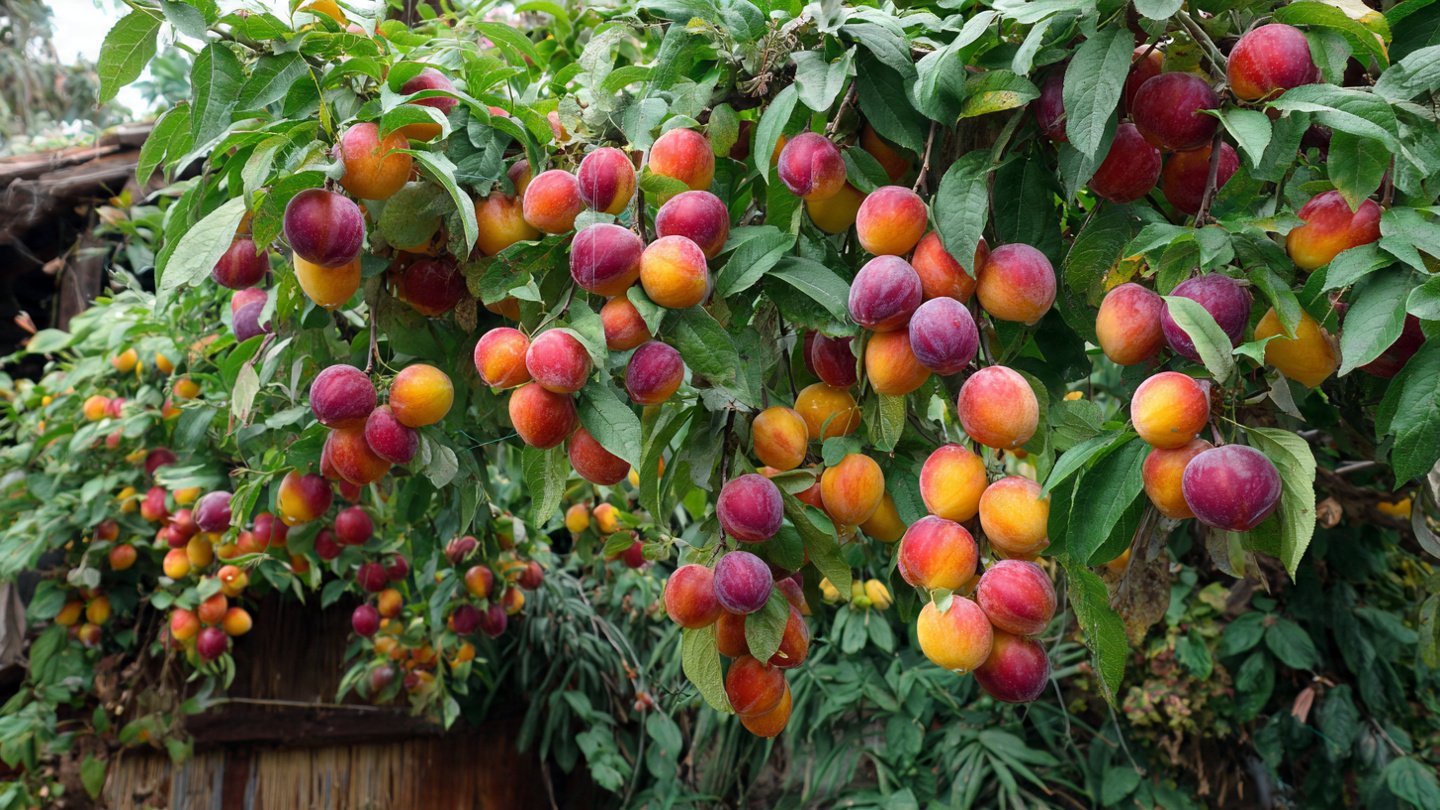
When it comes to gardening and landscaping, the idea of cultivating multiple varieties of fruit from a single tree may seem ambitious, yet it is an achievable venture through the technique known as grafting. Grafting has been used for centuries to enhance biodiversity in gardens, optimize space, and produce a variety of fruits that suit individual tastes or climatic conditions. In this article, we will explore the process and benefits of growing five varieties of fruit from one multi-graft tree, along with practical tips to help you succeed in this gardening endeavor.
Understanding Grafting
Grafting is a horticultural technique that involves joining two plants together so they grow as one. Essentially, it allows you to combine the desirable traits of two different plants. The part that becomes the root system is known as the rootstock, while the top portion that produces the fruit is called the scion.
The rootstock provides the root system, disease resistance, and adaptability to soil conditions, while the scion supplies the desired fruit type. When grafted successfully, the scions can bear different fruits on the same tree, offering an exciting and space-efficient solution for home gardeners.
Choosing the Right Tree and Varieties
Before jumping into the grafting process, it’s crucial to select the appropriate base tree and fruit varieties. Here are some factors to consider:
- Compatibility: Select fruit varieties that are compatible for grafting. For example, apples can be grafted with other apple varieties or even some crabs, while stone fruits like peaches and plums are often successful together.
- Rootstock Selection: Choose a rootstock that best suits your climate, soil type, and space. Common rootstocks include M9 and M26 for apples, which help control size while maintaining fruit yield.
- Fruit Preferences: Decide which varieties you want to grow based on your family’s tastes and what grows best in your area. You might consider grafting peach, apricot, and plum onto one tree.
Steps to Graft a Multi-Graft Tree
Grafting requires some skill and patience but can be learned with practice. Below are the essential steps to graft your multi-graft tree successfully:
1. Gather Tools and Materials
Before starting, ensure you have all the necessary tools and materials, including:
- Sharp knife or grafting tool
- Grafting tape or parafilm
- Pruning shears
- Sealant (optional, e.g., grafting wax)
- Pencil or marker
2. Select the Right Time
The best time to graft is typically in early spring when trees are beginning to wake from dormancy. The sap starts to flow, which enhances the grafting success rate.
3. Prepare the Rootstock
Choose a healthy rootstock and make a clean cut at the desired height. This cut can be a horizontal cut or a slanting cut, depending on your grafting technique.
4. Prepare the Scions
Take healthy scion wood from the fruit varieties you wish to graft. Ensure the scion is about the same diameter as the rootstock for optimal success. Cut it to about 6-8 inches long and make a slanting cut at the base to create a good contact area.
5. Join the Scion and Rootstock
Align the cambium layers of both roots and scions for better grafting success. Secure the graft using grafting tape or ParaFilm to hold everything in place. If using a sealant, apply it to prevent moisture loss and protect the graft from pathogens.
6. Monitor and Care for the Graft
After grafting, keep the tree in a stable environment with appropriate moisture levels. Monitoring the graft helps ensure that the graft takes hold, which usually takes a few weeks. Remove any growth from the rootstock to promote energy toward the grafted varieties.
Benefits of a Multi-Graft Tree
There are numerous benefits to raising a multi-graft tree, including:
- Space Efficiency: Growing multiple varieties on one tree saves space, making it ideal for smaller gardens.
- Diverse Harvests: A multi-graft tree allows for a greater variety of fruits, providing fresh produce throughout the season as different varieties ripen at different times.
- Pest and Disease Management: Some varieties may be more resistant to pests and diseases, helping mitigate risks.
- Unique Fruit Combinations: Enjoy the fun of tasting various fruits from a single tree, offering unique combinations for culinary uses.
Conclusion
Creating a multi-graft tree capable of producing five or more different types of fruit is an exciting and rewarding undertaking. Through thoughtful planning, proper technique, and ongoing care, you can not only enjoy a diverse harvest but also enhance the beauty and biodiversity of your garden. Whether you’re a seasoned gardener or just getting started, grafting can open up new possibilities for your fruit-growing endeavors.
FAQs
1. What is the best time to graft my fruit tree?
The ideal time to graft is in early spring when the tree is awakening from dormancy, and the sap flow increases.
2. Can I graft different types of fruit trees together?
Yes, but they must be closely related species. For example, you can graft various apple varieties together or different stone fruits like peach and plum.
3. How long does it take for the graft to take?
Typically, it takes a few weeks for a graft to take. During this time, monitor moisture levels and protect the graft from damage.
4. Is it necessary to use grafting tape?
Yes, grafting tape or parafilm provides support and helps protect the graft from moisture loss and pathogens during the healing process.
5. How can I identify if the graft has taken?
The graft has taken if new growth begins to emerge from the scion after a few weeks. Check for signs of budding and leaf development.